Second Beach
Rhode Island (USA) · Rhode Island
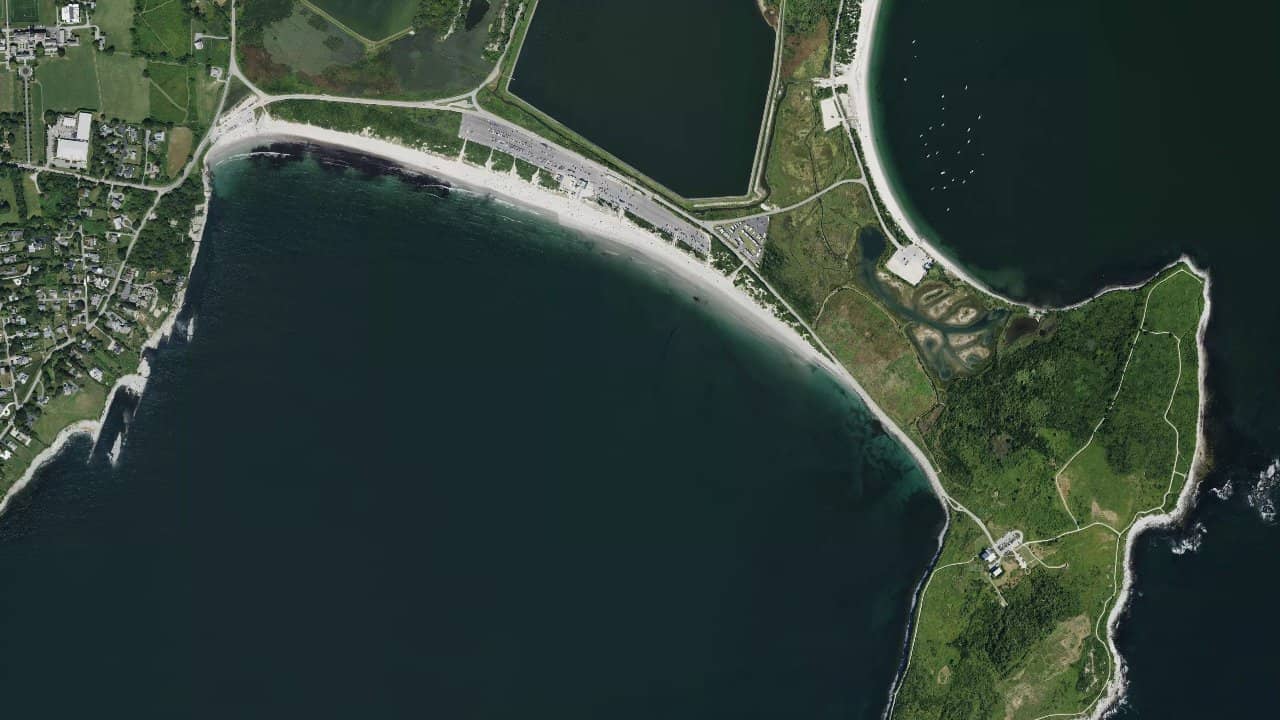
Second Beach, also known as Sachuest Beach, is located in Middletown, just minutes from Newport on the Rhode Island coast. It is a large south-facing sandy beach open to the Atlantic, attracting surfers, walkers, and families during the beautiful season.
Outside of peak summer hours, Second Beach becomes a favored spot for kitesurfing and surfkiting. The combination of a wide sandy area, convenient access, and direct exposure to south swells makes it an interesting playground for those who enjoy riding the waves while staying close to the city.
With its organized parking, beach facilities, and proximity to Newport, Second Beach stands out as an accessible yet somewhat technical riding spot, where it is important to respect local regulations and be well aware of the currents to fully enjoy the sessions.
Historical averages by month — not a live forecast.
Second Beach, also called Sachuest Beach, is a long ocean beach generally oriented south, directly exposed to the Atlantic. The sand is wide and even, making it easy to launch and take off kites when wind and traffic conditions allow. The main access is via the municipal parking lot, with an area called Surfer's End at the eastern end that concentrates some of the water sports practitioners. Public facilities (restrooms, showers, snacks) are available in season, making the spot practical for spending the day.
On the water, one navigates in open sea conditions, with a mix of Atlantic swell and wind. The beach functions as a beach break with sandbars generating right and left waves, and more pronounced peaks when the swell is organized. Surf guides indicate that the beach is quite consistent in terms of waves and accepts a wide range of swell sizes, with particularly interesting functioning between about 1 and 2 meters for surfing and surfkiting. For kitesurfing, this translates to a rather choppy water surface, with waves spread across the entire beach front and a shorebreak that can become powerful when the swell rises.
Kite and surf sources report the presence of longshore currents along the beach as well as rip currents. These currents can strengthen when the swell is solid or when several sandbars intersect, and they tend to concentrate in certain wave takeoff areas. It is important to take them into account when planning your runs and returning to the starting point, especially when the wind remains moderate and the swell pushes strongly out to sea. The shorebreak is described as variable but can be powerful on certain days, complicating the water start and exit for riders who are not comfortable in waves.
Space management is a crucial point at this spot. During the swimming season, a large part of the beach is reserved for swimming, with areas clearly marked by the municipality. Local regulations impose practice restrictions for kitesurfing between mid-May and early October, notably prohibiting navigation in the swimming area and time constraints for kite takeoff. In practice, this means that one must stay out of the swimming zone and rather focus towards the more "surf" end of the beach to navigate, and respect schedules in the late afternoon for launches from the sand in mid-summer. Outside of this period, the spot is freer, with fewer bathers and more room to launch and land kites.
The bottom is mostly sandy, which limits the risk of injury in case of a fall, but one must keep in mind the presence of rocks to the east, near Sachuest Point. These rocks are mentioned by practitioners as an area to watch, especially when wind or currents push towards this end of the beach. Offshore, the water quickly deepens and waves form on offset sandbars, which requires good reading of the water surface to exploit interesting sections and avoid areas of sudden closure.
The spot is considered by some guides to be suitable for intermediate riders, provided they are comfortable in waves and open sea. The combination of swell, current, and seasonal regulation makes the spot less obvious for a complete beginner discovering kitesurfing, but it remains accessible to those who already have a good mastery of upwind riding and relaunching in choppy conditions. Winter and interseason offer a water surface more devoid of bathers but with more challenging conditions (strong wind, cold water, stronger swell), which is more suited to experienced wave riders.


 Open Windguru forecast