Kiteloopers - Kitesurfing spots, trips and destinations worldwideKiteloopers - Kitesurfing spots, destinations and kite trips worldwide
CarteDestinationsBlog
Connexion

Project

  • About
  • Contact

Legal

  • Terms of Service
  • Privacy
  • Cookies
  • Legal mentions
  • Support

Community

  • Spots
  • Blog
  • Schools
  • Instructors
  • Accommodations
  • Trips
  • KiteMarket

Social

  • Instagram
  • Facebook
© 2026 Kiteloopers — All rights reserved
Saunton

Saunton - Saunton Sands Beach

Royaume-Uni

🎓Inter · Conf
🌊Flat
💨24.4 nd
☀️7.4°C

Saunton

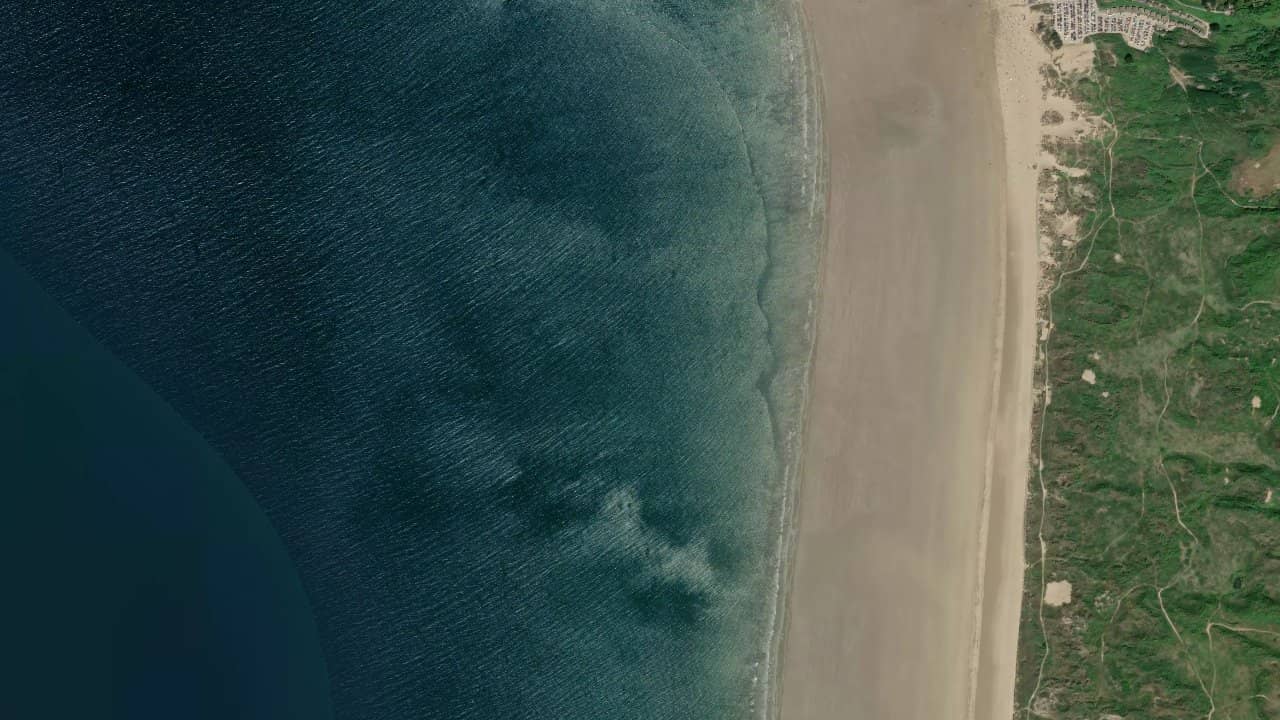
Saunton Sands Beach, in Saunton in North Devon, is a large sandy beach appreciated for its easy access and open setting. It is a spot known by riders for its length, width, and simple, unpretentious atmosphere.

The Saunton Sands beach attracts both beginners and more experienced practitioners when the conditions align. The site is especially sought after for its sailing space and the consistency of sessions when the wind is good.

Les données de vent affichées ici proviennent d’ERA5 (via Open-Meteo) sur 4 ans, retraitées pour refléter des conditions réalistes.
👉 Le vent moyen a été calibré pour éviter la sous-estimation habituelle des modèles.
👉 Les rafales ont été corrigées par un ratio médian afin d’éviter des valeurs extrêmes irréalistes.
👉 Chaque jour est résumé par le vent médian (P50) observé pendant les heures utiles (8h–20h), puis classé dans des plages de vent.
👉 Le mode pondéré mélange vent moyen et rafales pour refléter au mieux le vent ressenti.

  • 🟢 10–16 nds : vent faible mais navigable (notamment en foil).
  • 🟡 16–22 nds : plage idéale, conditions confortables pour la majorité.
  • 🔴 22–28 nds : vent fort, réservé aux riders expérimentés.
  • 🟣 28+ nds : conditions extrêmes, navigation engagée.

Localisation & Points d'intérêt

Informations utiles

Type d’eau
Profondeur
Navigabilité
Marée haute
chopchop
Pied
Oui
Marée basse
flatflat
Pied
Oui
Conditions de navigation

The spot works best with a wind from the W to NW sector, which generally arrives from the side to slightly side-on depending on the exact angle on the beach. With this type of orientation, navigation remains consistent across the large bay, with a wide launch area and good margin for landing and relaunching the kite.

At low tide, the water surface becomes more favorable to flat or very light chop on the edges, especially on the large expanse of sand exposed. At high tide, the water takes on more texture and the spot more easily transitions to chop, with a residual swell that can form offshore when the wind strengthens.

Launching is done directly from the beach, with a gentle progression and ample space to prepare equipment. The navigation area is vast, but one must remain attentive to the changing tide, as sandbanks and distances to cover change quickly on this open coastline.

The spot is suitable for a fairly wide practice, but it requires careful timing of the session, as reading the water surface depends heavily on the wind-tide combination. When the wind is clean and well-established, Saunton Sands offers comfortable navigation, with room to head upwind and sail without pressure.

Vent ideal
Wdominant
NWdominant
SW

Ideal conditions are a regular W to NW wind, with moderate to strong intensity and a sufficiently organized sea. The spot then performs at its best with a side-shore to side-on orientation, which secures navigation and facilitates long runs.

The beach is particularly interesting when the tide still leaves enough space to launch without stress, while keeping a clean water surface. The best sessions often come with stable wind and low to moderate swell, without overly chaotic gusts.

État de la mer

The water surface is often flat to slightly choppy depending on the tide and wind strength. When the sea is higher or when swell enters the bay, the spot can take on a more irregular appearance, with short chop and a small residual swell.

At low tide, the large sandy beach absorbs the water well and promotes smoother areas. At high tide, the water comes closer to the dune and the feel becomes livelier, with a more pronounced texture on the surface.

Courants marins

Currents are generally moderate, but they can strengthen near changes in the seabed and close to tidal drainage areas. One must take into account the large tidal range, as the water surface changes quickly and can alter return trajectories to the shore.

At both high and low tide, reading the current is important, especially if the wind is irregular or if swell is present. The spot requires maintaining a sufficient margin to avoid being too far out at the end of the session when the water recedes.

Taille de kite recommandée

The most commonly useful sizes are around 8 to 11 m² for an average build, with an option of 7 m² when the wind picks up significantly. On lighter days, a kite of 10 to 12 m² may be more suitable to take advantage of the spot.

With forecasted strong wind conditions, a smaller kite should be planned, and a safety margin should be maintained, especially if gusts exceed the average level. The right choice also depends on the rider's weight and the state of the sea at the time of the session.

Météo & vent

Useful wind most often comes with westerly flows, particularly W and NW, which are the most interesting directions for this spot. On-site, this often results in a side-shore to side-on wind, depending on the tide and the curvature of the bay.

The best sessions occur when the flow is sufficiently consistent to smooth the beach and maintain stable traction. Periods of Atlantic low pressure generally bring the most reliable conditions, with a more consistent wind than calm anticyclonic situations.

Climat

The local climate is oceanic, with mild winters, moderate summers, and rapid weather changes. The best times to kitesurf are often between late winter and spring, when Atlantic depressions bring more wind.

In summer, the air is milder and the water remains cool, allowing for pleasant sessions but rarely truly warm ones. In autumn and winter, conditions are more vigorous, with more frequent gusts and a livelier sea.

Profondeur

The depth is gradual with a predominantly sandy bottom. One can stand in a large part of the area close to the shore, which facilitates launching and returning to land.

The topography changes with the tide and sandbanks, but the spot generally maintains a fairly simple reading for those who take the time to observe the terrain before heading out. Shallow areas can extend far from the shore at low tide.

Température de l’eau

The water generally remains cool year-round, with low values in winter and only moderately warmer in summer. A full wetsuit is necessary for most of the season.

In spring and autumn, temperatures become more comfortable but remain distinctly oceanic. In mid-winter, the water is cold and requires appropriate gear, especially for long sessions.

Avis des kitesurfers

Chargement des avis...

Laisser un avis

0/500 caractères

Votre avis sera modéré avant publication

RéserverTrouver une écoleLouer du matériel
Voir sur la carte

Résumé rapide

  • 🌍 Pays : Royaume-Uni
  • 📍 Zone / Région : England
  • 💰 Budget sur place : $
  • 🎓 Niveau minimum : Intermédiaire
  • 🌤️ Saison idéale : Jan / Mar
  • 🪁 Tailles de kite reco. : 7 m² – 12 m²

⚠️ Risques & Sécurité

  • The large tide quickly alters the navigable area and can significantly lengthen return trips.

  • Mobile sandbanks can change the depth and quality of the water surface.

  • The current can strengthen near channels and complicate recovery.

Besoin d’aide ?
  • 🛡️ Réservation sécurisée
  • 🌬️ Conseils selon la saison et le vent
  • 🧭 Guides & écoles partenaires
Contacter le support →

Spots à proximité

Voir sur la carte →

Chargement des spots proches...

← Retour à la recherche