Kiteloopers - Kitesurfing spots, trips and destinations worldwideKiteloopers - Kitesurfing spots, destinations and kite trips worldwide
MapDestinationsBlog
Log in

Project

  • About
  • Contact

Legal

  • Terms
  • Privacy
  • Cookies
  • Legal notices
  • Support

Community

  • Spots
  • Blog
  • Schools
  • Instructors
  • Accommodations
  • Trips
  • KiteMarket

Social

  • Instagram
  • Facebook
© 2026 Kiteloopers — All rights reserved
Horton

Horton - Horton Beach

Royaume-Uni

🎓Inter · Adv
🌊Choppy
💨25.9 kt
☀️8.0°C

Horton

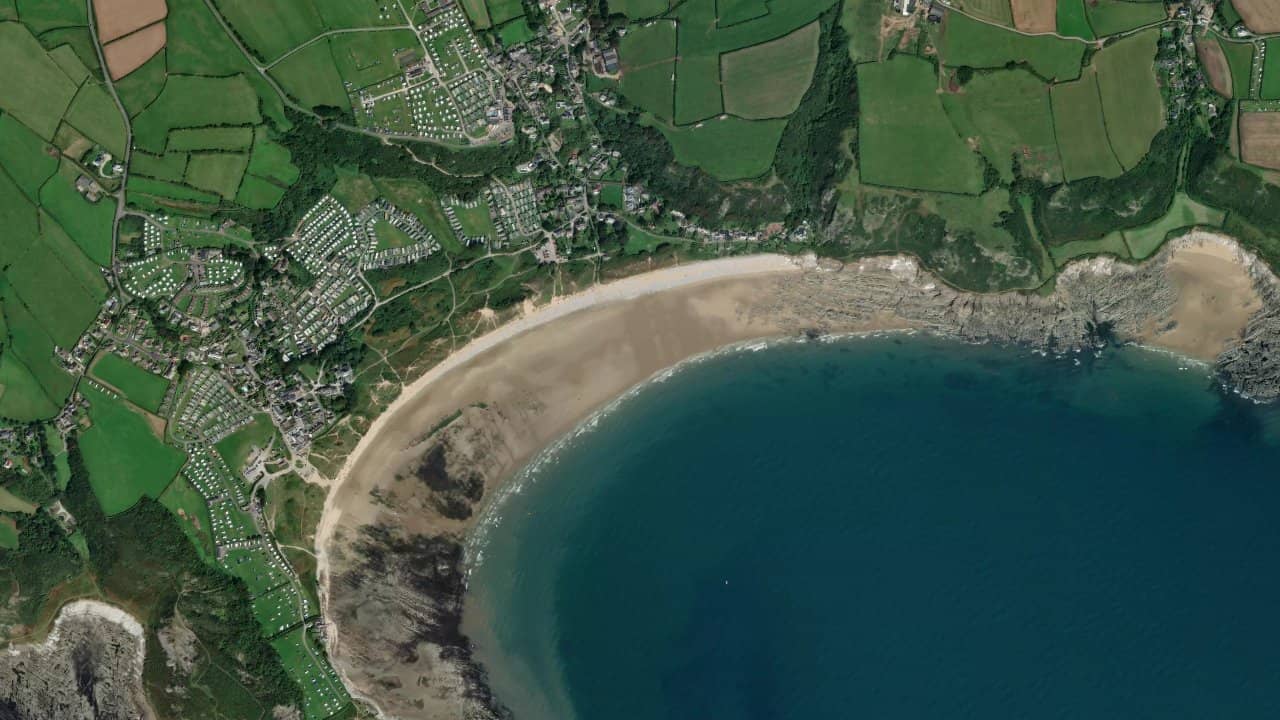
Horton Beach, in Horton, on the Gower coast in Wales, is a large sandy beach appreciated for sliding sports and family sessions. The spot is known for its simple and open setting, with easy access from the village and a often calm atmosphere outside the summer period.

The beach is large enough to allow space for kiters, especially when the tide still offers a good water surface. It's a spot that works best when conditions align, with clean wind and a well-ordered sea.

The wind data shown here comes from ERA5 (via Open-Meteo) over 4 years, reprocessed to reflect realistic conditions.
👉 Average wind has been calibrated to avoid the usual underestimation of models.
👉 Gusts have been corrected by a median ratio to avoid unrealistic extreme values.
👉 Each day is summarized by the median wind (P50) observed during useful hours (8am–8pm), then classified into wind ranges.
👉 The weighted mode mixes average wind and gusts to best reflect felt wind.

  • 🟢 10–16 kts: light but sailable wind (especially on foil).
  • 🟡 16–22 kts: ideal range, comfortable conditions for most.
  • 🔴 22–28 kts: strong wind, reserved for experienced riders.
  • 🟣 28+ kts: extreme conditions, committed riding.

Location & Points of interest

Useful information

Water type
Depth
Rideability
High tide
flatflat
Standable
Yes
Low tide
wavewave
Standable
Yes
Riding conditions

Horton Beach works best with a wind from the North to North-West, often in a side-off or offshore configuration depending on the exact orientation on the bay. West winds can also provide interesting sessions, but they then become more choppy and less clean than north flows. The spot remains primarily an exposed beach break, so it quickly picks up swell and sea wind when the weather strengthens.

The water surface depends heavily on the tide. At mid-tide and high tide, the spot is easier and safer, with enough water to sail comfortably. At low tide, the usable area decreases and one must be more vigilant about sandbanks, the beach slope, and rapid depth variations. Launching is done directly from the large sandy beach, with a launching area to be organized away from bathers and beach users.

The spot is suitable for riders looking for a simple setting and sailing without major obstacles, but one must keep space for launching and landing. When the swell comes in, the tacks can become more technical, and waves can close quickly on certain sections. The best window generally occurs when the wind is stable, the beach is clear, and the tide leaves a readable sailing area.

Ideal wind
S
SE
E

The best conditions are met with a wind from North to North-West, around 20 to 30 kts, when the sea is organized and the tide leaves a good strip of sand. In this case, Horton Beach offers cleaner and more regular sailing.

The spot works particularly well between November and March, with good potential also in January, February, and March. A stable wind and a medium tide remain the best combo to enjoy the spot peacefully.

Sea state

The water surface is most often choppy with established wind, then can become more flat during tide phases and in areas with cleaner wind. When swell comes in, the spot can take on a wave character, especially in the more exposed sections of the bay.

The quality of the water surface varies greatly depending on the wind-tide combination. The best sessions occur when the wind is strong enough to sail comfortably, but not to the point of breaking visibility on the launch area and the offshore edges.

Sea currents

Currents are generally moderate, but they can strengthen with the tide and near more exposed areas of the bay. One must remain attentive to the ebb and flow, especially when the beach narrows and sandbanks channel the water.

The tide plays an important role in safety and comfort while sailing. The spot is generally easier at mid-tide and high tide, while at low tide the usable area decreases and reading the current becomes more important.

Recommended kite size

With the wind often reported around 24 kts, the most useful sizes are generally 7 m, 8 m, and 9 m. In stronger winds, a 6 m can become relevant for heavier riders or for sailing in more present gusts.

When the wind drops a bit or the session is more regular, a 10 m or 11 m may be more suitable. The choice depends a lot on the rider's weight, level, and the exact strength of the wind on the bay.

Weather & wind

The most useful wind regime for Horton is often associated with Atlantic depressions, with flows from the North, North-West, and sometimes West. Local data indicates a wind around 24 kts for a good session, which corresponds to a spot that requires some control but remains accessible for riders already comfortable.

In practice, the site handles well the sustained winds of the cold season, with a more regular window between November and March. Land winds from the north provide a cleaner water surface, while more oceanic flows can bring more chop and swell.

Climate

The climate of Gower is oceanic, with mild but changing temperatures throughout the year. Summer remains temperate, while winter is cooler, wetter, and often windier, making it a more regular period for kiting. The most favorable months for sliding often fall in winter and early spring, when Atlantic depressions bring more wind.

In summer, sessions are often more irregular and the sea can remain flatter for long periods between windy episodes. The local site also reports a range of water and wind temperatures that make sailing more pleasant with a suitable wetsuit, especially in the colder months.

Depth

The depth is gradual with a predominantly sandy bottom. One can often stand quite far out at the beginning, which facilitates launching, but the slope and sandbanks can cause the depth to vary from one tack to another.

The bottom remains generally simple for a beach spot, with no major obstacles reported in the consulted sources. However, one must remain cautious when the tide goes out, as shallow areas can extend quickly.

Water temperature

The water remains cool for a large part of the year on this part of the Welsh coastline. In winter, one must expect low temperatures that require a warm wetsuit, often thick, with suitable accessories.

In spring and autumn, the water remains cool but becomes more comfortable than in mid-winter. In summer, it warms up a bit, but never really becomes warm in the Mediterranean sense of the term.

Kitesurfers reviews

Chargement des avis...

Leave a review

0/500 characters

Your review will be reviewed before publication.

BookFind a schoolRent gear
View on map

Quick summary

  • 🌍 Country: Royaume-Uni
  • 📍 Area / Region: Wales
  • 💰 On-site budget: $
  • 🎓 Minimum level: Intermediate
  • 🌤️ Ideal season: Jan → Mar / Nov
  • 🪁 Recommended kite sizes: 6 m² – 11 m²

⚠️ Risks & Safety

  • Sand banks can quickly alter the navigable area at low tide.
  • The current can strengthen near the channel and during tide changes.
  • One should avoid the launching area too close to bathers and other beach users.
Need help?
  • 🛡️ Secure booking
  • 🌬️ Advice based on season and wind
  • 🧭 Partner guides & schools
Contact support →

Nearby spots

View on map

Loading…

← Back to search