Kiteloopers - Kitesurfing spots, trips and destinations worldwideKiteloopers - Kitesurfing spots, destinations and kite trips worldwide
MapDestinationsBlog
Log in

Project

  • About
  • Contact

Legal

  • Terms
  • Privacy
  • Cookies
  • Legal notices
  • Support

Community

  • Spots
  • Blog
  • Schools
  • Instructors
  • Accommodations
  • Trips
  • KiteMarket

Social

  • Instagram
  • Facebook
© 2026 Kiteloopers — All rights reserved
Dale

Dale - West Dale Beach

Royaume-Uni

🎓Inter · Adv
🌊Choppy
💨26.0 kt
☀️8.6°C

Dale

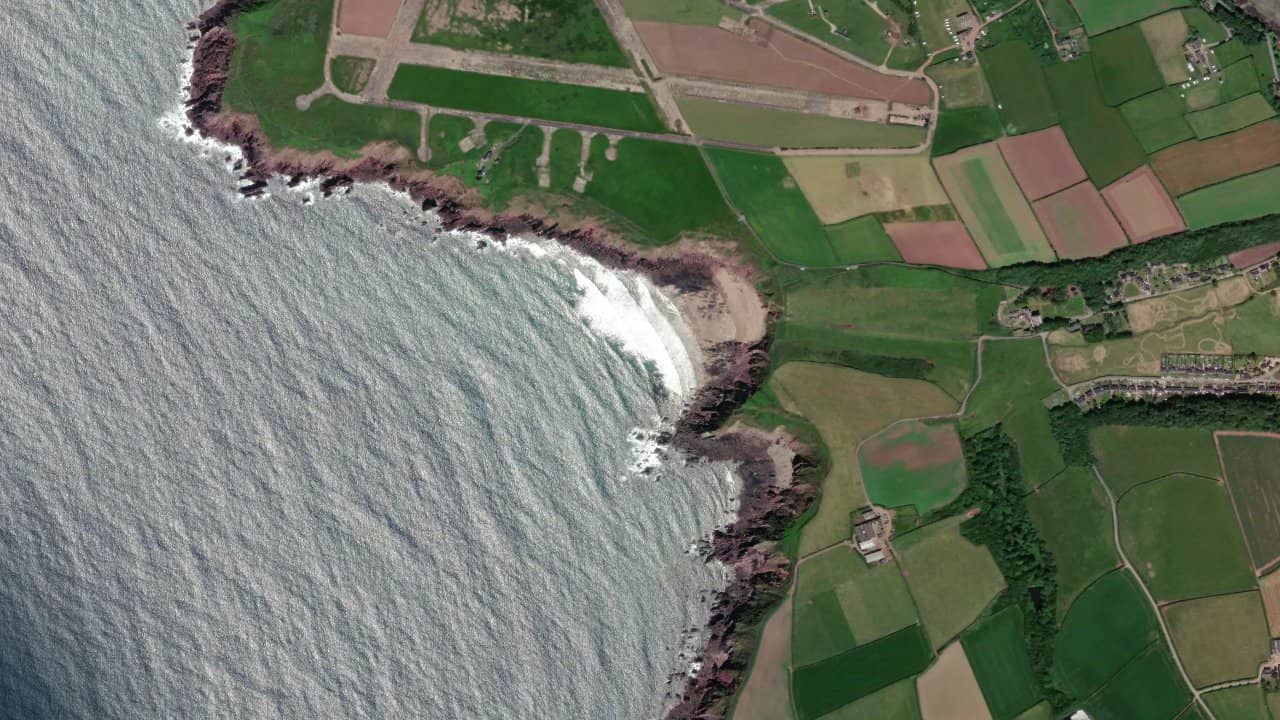
West Dale Beach, in Dale, Pembrokeshire, is a seaside spot appreciated for its easy access and open view of the bay. The beach mainly attracts riders when the wind is well positioned and the conditions remain clean.

It is an interesting spot for progression when the sea is consistent, with a rather straightforward and uncomplicated atmosphere. Local information indicates that the SW and W orientations are the most favorable, which aligns well with kitesurfing use on this exposed coast.

The wind data shown here comes from ERA5 (via Open-Meteo) over 4 years, reprocessed to reflect realistic conditions.
👉 Average wind has been calibrated to avoid the usual underestimation of models.
👉 Gusts have been corrected by a median ratio to avoid unrealistic extreme values.
👉 Each day is summarized by the median wind (P50) observed during useful hours (8am–8pm), then classified into wind ranges.
👉 The weighted mode mixes average wind and gusts to best reflect felt wind.

  • 🟢 10–16 kts: light but sailable wind (especially on foil).
  • 🟡 16–22 kts: ideal range, comfortable conditions for most.
  • 🔴 22–28 kts: strong wind, reserved for experienced riders.
  • 🟣 28+ kts: extreme conditions, committed riding.

Location & Points of interest

Useful information

Water type
Depth
Rideability
High tide
chopchop
Standable
Yes
Low tide
wavewave
Partial
Tech.
Riding conditions

The spot mainly works with a wind from the side-on to side-shore sector depending on the exact angle on the beach, which allows for healthier navigation than with too much onshore wind. Conditions are generally cleaner with a wind from W or SW, while too much south wind can make the water surface less consistent. According to consulted sources, the area can also receive residual swell, so sessions are more interesting when the swell remains moderate and the wind does not deteriorate the surface too much.

The water surface varies with the tide, with an area that becomes more technical when the water lowers and the shallows or rocks become more pronounced. Launching is done from the beach, and it is important to keep space for takeoff to avoid problems with other users and obstacles close to the shore. In this sector of Pembrokeshire, the spot is rather to be considered for riders capable of managing coastal navigation with a correct reading of tides and current variations.

The spot is less suited for completely flat navigation all day, as the texture of the water depends a lot on the wind and tide level. When the swell comes in and the wind remains clean, a more lively session is obtained, with small waves or organized chop depending on the moments.

Ideal wind
Wdominant
SWdominant
NW
S

The best sessions occur with a wind from W or SW, as also indicated by local feedback. These orientations generally provide an interesting compromise between power, accessibility, and safety on this type of open beach.

A steady wind, without too many gusts, is ideal for keeping the water surface exploitable and limiting irregular passages. With around 20 to 30 knots, the spot becomes really lively for most sizes.

Sea state

The water surface is generally a mix of chop and small waves depending on the wind and swell. When the wind is well oriented and the sea remains clean, smoother sections can be found, but the spot is not a true flat spot.

With sustained wind, the surface quickly becomes more uneven and requires good speed and pressure management. Sessions are therefore more comfortable for riders capable of navigating in lively and changing water.

Sea currents

Currents can be sensitive depending on the tide and the day's exposure. It is important to stay alert to lateral drifts near the shore and areas where the flow can accelerate around coastal reliefs.

At low tide, some parts become more technical, with a reduced navigation space and a greater need to read the return to shore. The tide directly influences the comfort of navigation and the safety margin offshore from the beach.

Recommended kite size

With the wind provided at 24.4 knots, the most logical sizes are often 7 m, 8 m, or 9 m depending on the rider's size and level. Heavier riders may sometimes prefer a 10 m if the wind drops a bit, but the most useful size range clearly remains in the small to medium format.

Weather & wind

The wind regime is typically linked to western depressions that cross the UK. At this spot, the most useful directions are often W and SW, with wind that can become quite strong and well established when the Atlantic circulation aligns.

The provided data of 24.4 knots corresponds to a wind level that is already quite interesting for kitesurfing, especially if the gusts remain manageable. The wind is often more active in the cold season, with more frequent passages and sufficient power for medium to small sizes.

Climate

The local climate is oceanic, with moderate but often cool temperatures and changing weather. Pembrokeshire remains an exposed area, so the perceived temperature can quickly drop with the wind and humidity.

The best periods are mainly concentrated in December, January, March, and November, when Atlantic depressions more frequently bring exploitable wind. In summer, sessions are possible, but the beaches can be calmer and the conditions less consistent.

Depth

The depth is progressive in places, but it becomes more sensitive to the tide and rocky areas of the sector. The bottom should be read carefully, as it is not uniformly smooth or perfectly sandy throughout the area.

There can be shallow areas at low tide, which can be interesting for relaunching, but also requires more vigilance due to submerged obstacles. The bottom should not be considered completely neutral for an untrained beginner.

Water temperature

The water remains cool all year round in this part of Wales. In summer, an adequate wetsuit is still necessary, while in winter, heavy protection becomes essential.

Cold seasons generally require a 5/4 or an even warmer wetsuit, with booties and gloves depending on the conditions. In spring and autumn, the water often remains cold enough to necessitate serious equipment.

Kitesurfers reviews

Chargement des avis...

Leave a review

0/500 characters

Your review will be reviewed before publication.

BookFind a schoolRent gear
View on map

Quick summary

  • 🌍 Country: Royaume-Uni
  • 📍 Area / Region: Wales
  • 💰 On-site budget: $
  • 🎓 Minimum level: Intermediate
  • 🌤️ Ideal season: Nov → Jan
  • 🪁 Recommended kite sizes: 7 m² – 10 m²

⚠️ Risks & Safety

  • Rocks may be present in the area, and they should be avoided closely.
  • The current can become more pronounced near constricted areas and as the tide approaches low.
  • The beach can become technical if the wind pushes towards the shore or if the launch space is reduced.
Need help?
  • 🛡️ Secure booking
  • 🌬️ Advice based on season and wind
  • 🧭 Partner guides & schools
Contact support →

Nearby spots

View on map

Loading…

← Back to search