Kiteloopers - Kitesurfing spots, trips and destinations worldwideKiteloopers - Kitesurfing spots, destinations and kite trips worldwide
MapDestinationsBlog
Log in

Project

  • About
  • Contact

Legal

  • Terms
  • Privacy
  • Cookies
  • Legal notices
  • Support

Community

  • Spots
  • Blog
  • Schools
  • Instructors
  • Accommodations
  • Trips
  • KiteMarket

Social

  • Instagram
  • Facebook
© 2026 Kiteloopers — All rights reserved
Amroth

Amroth - Amroth Beach

Royaume-Uni

🎓Inter · Adv
🌊Choppy
💨—
☀️—

Amroth

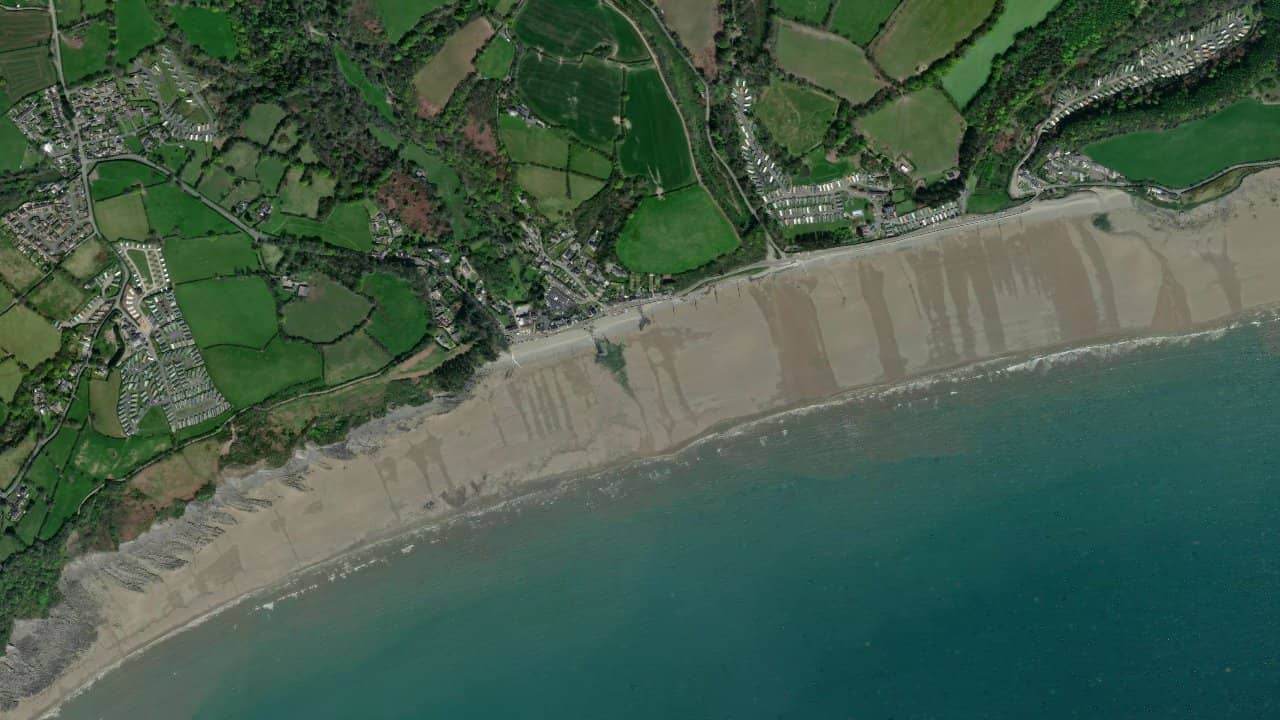
Amroth Beach, in Pembrokeshire in Wales, is a south-facing beach with a wide strip of sand at low tide and a ridge of pebbles above the high water mark. It is a popular spot for its easy access and open coastal setting.

The site is particularly interesting when the wind is well established and the tide reveals more sand. The large wooden posts and the shoreline configuration require maintaining clean navigation, especially near the shore.

The wind data shown here comes from ERA5 (via Open-Meteo) over 4 years, reprocessed to reflect realistic conditions.
👉 Average wind has been calibrated to avoid the usual underestimation of models.
👉 Gusts have been corrected by a median ratio to avoid unrealistic extreme values.
👉 Each day is summarized by the median wind (P50) observed during useful hours (8am–8pm), then classified into wind ranges.
👉 The weighted mode mixes average wind and gusts to best reflect felt wind.

  • 🟢 10–16 kts: light but sailable wind (especially on foil).
  • 🟡 16–22 kts: ideal range, comfortable conditions for most.
  • 🔴 22–28 kts: strong wind, reserved for experienced riders.
  • 🟣 28+ kts: extreme conditions, committed riding.

Location & Points of interest

Useful information

Water type
Depth
Rideability
High tide
chopchop
Standable
Yes
Low tide
flatflat
Standable
Yes
Riding conditions

Amroth works best with a side-on to side-shore wind coming from the SW to W sector on this south-facing beach, as it allows for a safer and more consistent trajectory. A southerly wind can also be usable, but it becomes less comfortable if it shifts too much onshore or becomes too irregular. The beach is more pleasant at low tide, when large sandy areas open up in front of the natural breakwater and launching is simpler.

At high tide, the water surface shrinks and the shore becomes more crowded, with a narrower launch area and a bank of pebbles to cross. At low tide, there is a wider area to rig, launch, and gain speed, but one must remain attentive to the wooden groynes that structure the shore. The spot is more suited for clean and controlled practice than for very engaged navigation near the shore.

Available information also indicates that the spot can serve for kitesurfing and windsurfing, confirming a usable water surface when the wind is well oriented. The water level remains dependent on the tide, with a beach that changes significantly in appearance between low and high tide.

Ideal wind
SWdominant
Wdominant
E
SE
S

The best sessions occur with a steady SW to W wind, clean enough to maintain smooth navigation without being too gusty. For this spot, a wind of 20 to 28 knots is often a good range for more common kites, especially when the sea is well settled.

The most comfortable time slot is often a day when the wind is well established, without strong gusts or sudden changes in direction. A side-on or side-shore orientation remains the most interesting for safe navigation.

Sea state

The water surface is generally a mix of small chop and smoother areas at low tide. When the wind is well oriented and the sea is not too formed, navigation is quite easy, with space to send without being blocked by powerful waves.

The spot is not known for big surf waves, but the sea can become more choppy if the wind picks up or if swell adds to the chop. Conditions remain closer to a chop spot with a possible small residual swell than a big wave spot.

Sea currents

The currents are generally moderate, but they can strengthen with the tide and near shoreline structures. The spot changes significantly with the tide cycle, with a more open navigation area at low tide and a more constrained space at high tide.

One must remain vigilant near the groynes and the beach edge, as water movements can be less readable there. Reading the tide is important to choose the right time slot and maintain enough space between oneself, the shore, and fixed obstacles.

Recommended kite size

With the wind around 24 knots, the most suitable sizes often range between 7 m² and 9 m² for an average build. Heavier riders may aim for a 10 m² if the wind drops, while lighter riders will often stick to 7 m² or 8 m².

In practice, the right size will also depend on the tide, gusts, and sea state. When the wind is more consistent, one can choose a slightly smaller kite and maintain more control near the shore.

Weather & wind

The useful wind most often comes from the SW to W sector, with more variable episodes depending on Atlantic fronts. The forecasted wind window around 24 knots corresponds to an already well-established kitesurfing range for a rider equipped accordingly.

On this type of Welsh coast, windy days are often linked to depressions and a sustained marine flow rather than a stable thermal breeze. The wind can be more irregular near the reliefs and built-up areas of the coast, so a safety margin should be maintained during takeoff and landing.

Climate

The local climate is oceanic, with changing conditions, frequent disturbed passages, and a strong maritime influence. Useful winds often come with Atlantic systems, while summer brings easier-to-read sessions and milder temperatures.

The most pleasant months for kitesurfing are generally late spring, summer, and early autumn, although the spot can work at other times depending on depressions. In winter, sessions remain possible but are accompanied by colder air, cooler water, and more physical conditions.

Depth

The depth is gradual and the bottom is mainly sandy, with a bank of pebbles higher up on the beach. At low tide, there is a more extensive shallow area, making it easier to access the water and retrieve the kite.

At high tide, the usable space shrinks and the depth increases more quickly near the shore. The spot remains more comfortable for readable navigation when the sea has revealed more sand.

Water temperature

The water is generally cool year-round, with a noticeably colder feel in winter and spring. In summer, conditions become more bearable, but a wetsuit remains essential on this Welsh coastline.

One usually kites with a suit suitable for the season, and sometimes with accessories to extend sessions outside of summer. Water temperatures remain typical of a spot in the Irish Sea, so serious protection should be planned even when the air is mild.

Kitesurfers reviews

Chargement des avis...

Leave a review

0/500 characters

Your review will be reviewed before publication.

BookFind a schoolRent gear
View on map

Quick summary

  • 🌍 Country: Royaume-Uni
  • 📍 Area / Region: Wales
  • 💰 On-site budget: $$
  • 🎓 Minimum level: Intermediate
  • 🌤️ Ideal season: —
  • 🪁 Recommended kite sizes: 7 m² – 10 m²

⚠️ Risks & Safety

  • The groynes can be dangerous if one navigates too close to the shore.
  • The current channel can strengthen with the tide and complicate the return to the shore.
  • At high tide, the usable area shrinks and launching becomes more delicate.
Need help?
  • 🛡️ Secure booking
  • 🌬️ Advice based on season and wind
  • 🧭 Partner guides & schools
Contact support →

Nearby spots

View on map

Loading…

← Back to search