Kiteloopers - Kitesurfing spots, trips and destinations worldwideKiteloopers - Kitesurfing spots, destinations and kite trips worldwide
MapDestinationsBlog
Log in

Project

  • About
  • Contact

Legal

  • Terms
  • Privacy
  • Cookies
  • Legal notices
  • Support

Community

  • Spots
  • Blog
  • Schools
  • Instructors
  • Accommodations
  • Trips
  • KiteMarket

Social

  • Instagram
  • Facebook
© 2026 Kiteloopers — All rights reserved
Port Talbot

Port Talbot - Aberavon Beach

Royaume-Uni

🎓Inter · Adv
🌊Choppy
💨—
☀️—

Port Talbot

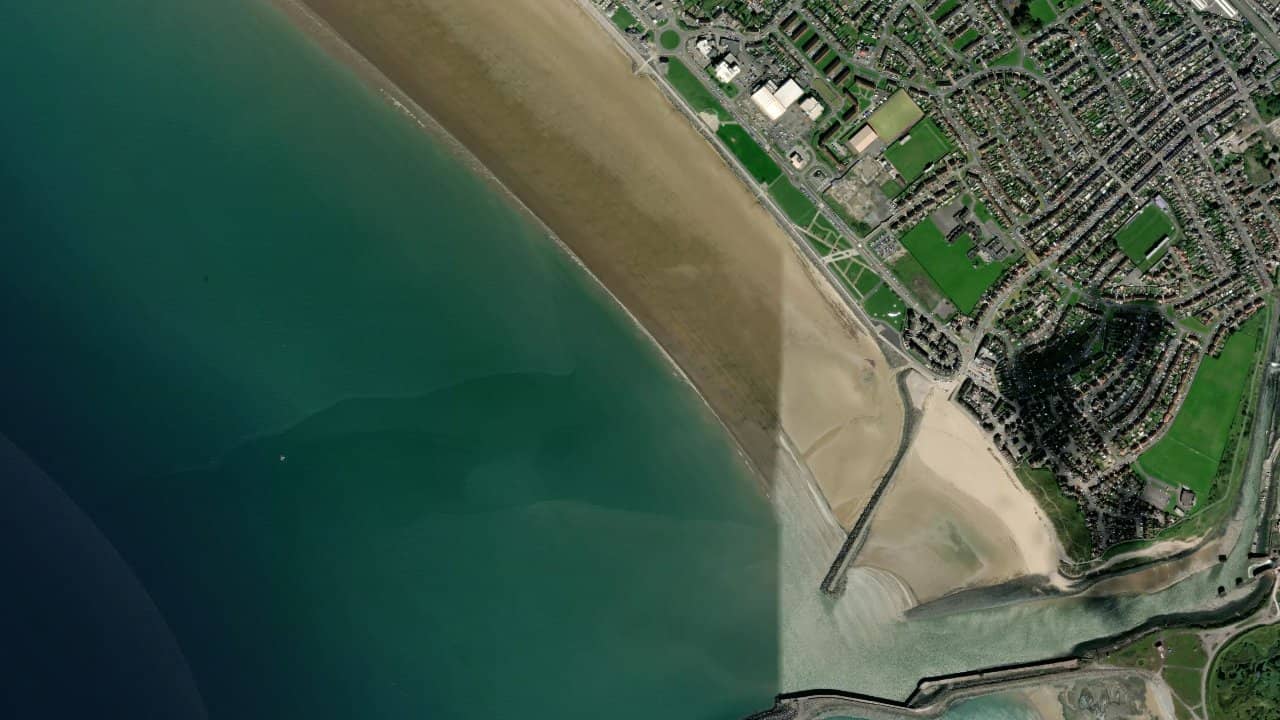
Aberavon Beach, in Port Talbot, is a long urban beach on the south coast of Wales. It is a spot well-known by locals for its great width, easy access, and regular use for kitesurfing.

The spot works best when the wind is well established and the tide leaves enough space to navigate. The atmosphere is simple and straightforward, with an open and exposed beach environment.

The wind data shown here comes from ERA5 (via Open-Meteo) over 4 years, reprocessed to reflect realistic conditions.
👉 Average wind has been calibrated to avoid the usual underestimation of models.
👉 Gusts have been corrected by a median ratio to avoid unrealistic extreme values.
👉 Each day is summarized by the median wind (P50) observed during useful hours (8am–8pm), then classified into wind ranges.
👉 The weighted mode mixes average wind and gusts to best reflect felt wind.

  • 🟢 10–16 kts: light but sailable wind (especially on foil).
  • 🟡 16–22 kts: ideal range, comfortable conditions for most.
  • 🔴 22–28 kts: strong wind, reserved for experienced riders.
  • 🟣 28+ kts: extreme conditions, committed riding.

Location & Points of interest

Useful information

Water type
Depth
Rideability
High tide
chopchop
Standable
Yes
Low tide
flatflat
Standable
Yes
Riding conditions

The spot is exposed, with wind most often arriving in a side-on or onshore manner depending on the direction. Local sources indicate that winds from SW to NW are the most used for kitesurfing, but they generally remain onshore on this beach, which provides navigable conditions but not always clean ones. Offshore wind is rather cited for flows coming from the SE, so it should be avoided as it can make the spot unstable and less safe. The best launches occur from the large sandy beach, with a take-off area to be placed far from walkers and obstacles. The spot is widely practiced for kitesurfing and BKSA events are organized here, confirming good compatibility with the discipline. The waters work better at low tide to mid-tide, when the beach offers more space and navigation remains simpler. The water surface is often cleaner offshore, but near the shore it can become choppy and irregular. The presence of rocks and harder areas in certain parts of the spot requires careful selection of the launch and return zones. Waves and chop can change quickly with the tide, so it is essential to keep a close eye on sandbanks and rolling areas.

Ideal wind
SWdominant
Wdominant
NWdominant

The best sessions occur with a well-established, steady, and fairly clean wind from SW to NW to cross the beach without too many gusts. The spot also accepts more muscular conditions, but quality is better when the wind remains stable and the tide leaves enough navigation space. For a kitesurfer, wind around 20 to 30 knots is often the most interesting here. The SE wind is less favorable as it becomes too offshore to be comfortable and safe.

Sea state

The water surface is most often choppy, with sometimes small swells or short waves depending on the wind direction and tide. Sources describe a spot with easy-to-exploit waves in places, but also a quality of water and surface that is quite average when the wind blows onshore. When the tide and wind align well, a cleaner area can be found offshore. Near the shore, the water surface often remains irregular and formed by the chop.

Sea currents

Currents are related to the tide and can become more pronounced near the channel and areas of returning water. At low tide, navigation is generally simpler as the beach is wide and landmarks are more readable. At high tide, space decreases and the shore current can be more sensitive, especially if the sea is active. Therefore, it is essential to closely monitor the tide before heading out and to keep a safety margin for the return.

Recommended kite size

With wind around 23.6 knots, the most useful sizes often range between 7 and 10 m² depending on the rider's size and level. A lighter rider may prefer a 7 or 8 m², while a heavier rider will more often stick to 9 or 10 m². In case of stronger wind, a 6 to 7 m² may become relevant. If the wind drops or becomes irregular, an 11 m² can still be useful for certain sessions.

Weather & wind

The wind regime is dominated by flows from the west to southwest, with more northwest passages depending on Atlantic systems. Spot sources indicate that winds from SW to NW provide the best usable sessions, even if they often arrive in an onshore manner at Aberavon. Offshore wind cited for the SE is less suitable for kiting here. With wind around 23.6 knots, the spot enters a usable range for most riders on medium kites. Conditions can quickly become more technical if the wind is gusty or if the swell rises simultaneously.

Climate

The climate of southern Wales is oceanic, with conditions often humid, cool, and changeable. The summer months bring milder temperatures, but wind and rain remain possible year-round. In winter, the air is significantly colder, making navigation more demanding, although gusts can be interesting for equipped riders. Spring and autumn often offer a good compromise between water temperature, wind frequency, and pressure on the beach. The weather factor remains very variable, which aligns well with the indication of variable best months.

Depth

The depth is related to the tide and the bottom is mostly sandy, with harder or rocky areas reported in certain parts of the spot. At low tide, the beach reveals itself widely and launching is simpler. The depth increases gradually, but one must remain attentive to areas where the bottom changes quickly and where rocks may surface. Navigation is more comfortable when keeping a well-identified and sufficiently clear launch area.

Water temperature

The water remains cold for a large part of the year in Wales. In summer, the temperature becomes more bearable, but it often remains cool enough to justify a suitable wetsuit. In spring and autumn, one should expect significantly colder water, often requiring a thicker wetsuit. In winter, the temperature drops to a level that necessitates full gear for long and comfortable navigation.

Kitesurfers reviews

Chargement des avis...

Leave a review

0/500 characters

Your review will be reviewed before publication.

BookFind a schoolRent gear
View on map

Quick summary

  • 🌍 Country: Royaume-Uni
  • 📍 Area / Region: Wales
  • 💰 On-site budget: $
  • 🎓 Minimum level: Intermediate
  • 🌤️ Ideal season: —
  • 🪁 Recommended kite sizes: 6 m² – 10 m²

⚠️ Risks & Safety

  • Rocks and hard areas may appear in certain parts of the spot.
  • The current can become more pronounced near the channel and at certain tides.
  • Onshore wind and the busy beach require maintaining a safe distance from other users.
Need help?
  • 🛡️ Secure booking
  • 🌬️ Advice based on season and wind
  • 🧭 Partner guides & schools
Contact support →

Nearby spots

View on map

Loading…

← Back to search