Kiteloopers - Kitesurfing spots, trips and destinations worldwideKiteloopers - Kitesurfing spots, destinations and kite trips worldwide
MapDestinationsBlog
Log in

Project

  • About
  • Contact

Legal

  • Terms
  • Privacy
  • Cookies
  • Legal notices
  • Support

Community

  • Spots
  • Blog
  • Schools
  • Instructors
  • Accommodations
  • Trips
  • KiteMarket

Social

  • Instagram
  • Facebook
© 2026 Kiteloopers — All rights reserved
Saint-Malo

Saint-Malo - Grande Plage du Sillon

France

🎓Inter · Adv
🌊Choppy
💨20.6 kt
☀️12.9°C

Saint-Malo

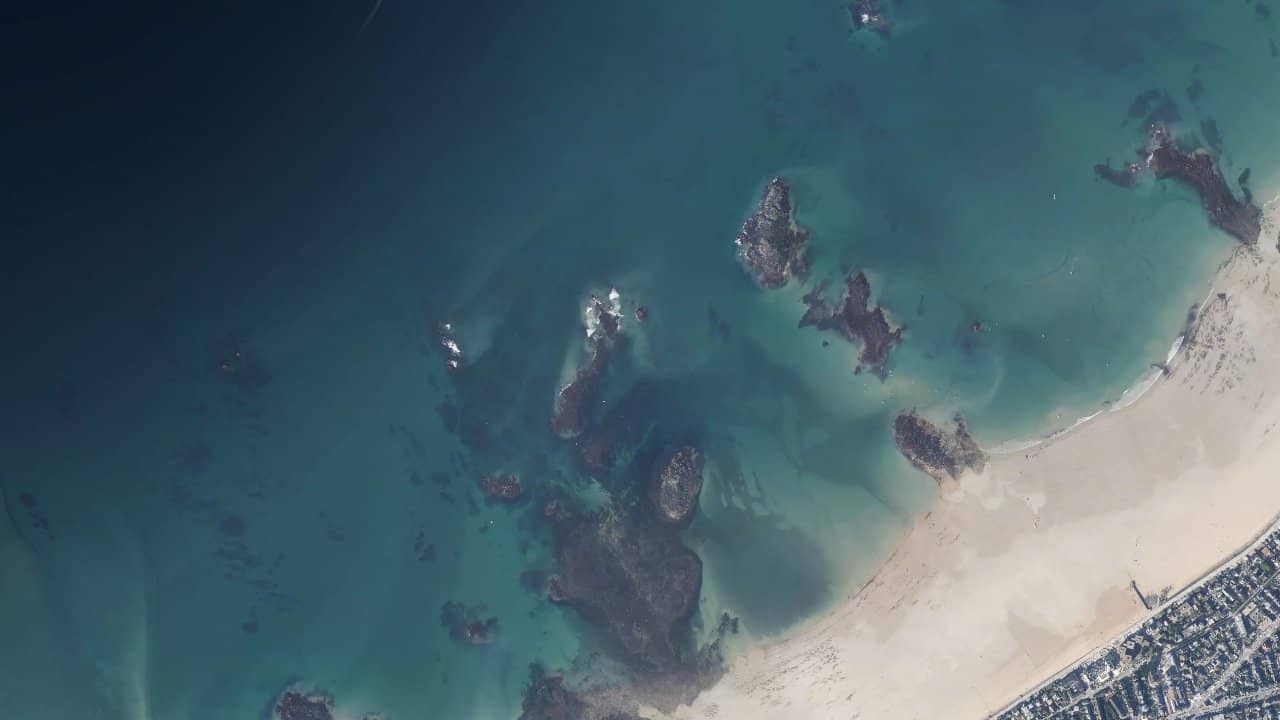
The Sillon beach, located in Saint-Malo in Ille-et-Vilaine, stretches over several kilometers of sand and is the main kitesurfing spot in the city. It is a place frequented by locals and schools, who appreciate its space and proximity to urban infrastructure. The spot offers varied conditions depending on the tide, with freeride areas and sections where the wave can appear.

The beach is easily accessible from the center of Saint-Malo and the usual meeting points are around the Surfschool and the Thermes Marins, popular places for launching and taking off the kites.

The wind data shown here comes from ERA5 (via Open-Meteo) over 4 years, reprocessed to reflect realistic conditions.
👉 Average wind has been calibrated to avoid the usual underestimation of models.
👉 Gusts have been corrected by a median ratio to avoid unrealistic extreme values.
👉 Each day is summarized by the median wind (P50) observed during useful hours (8am–8pm), then classified into wind ranges.
👉 The weighted mode mixes average wind and gusts to best reflect felt wind.

  • 🟢 10–16 kts: light but sailable wind (especially on foil).
  • 🟡 16–22 kts: ideal range, comfortable conditions for most.
  • 🔴 22–28 kts: strong wind, reserved for experienced riders.
  • 🟣 28+ kts: extreme conditions, committed riding.

Location & Points of interest

Useful information

Water type
Depth
Rideability
High tide
chopchop
Standable
Yes
Low tide
flatflat
Standable
Yes
Riding conditions

The wind mainly blows from west to east-northeast over the bay of Saint-Malo; for Sillon beach, West to Northeast orientations provide navigable conditions but the effect of the dyke and buildings can create areas of disturbed wind close to the shore. Side-on and side-shore winds from the west are often the most comfortable for navigating along the beach, while a more northeast-oriented wind may require heading towards the Fort National for less disturbed wind.

The depth varies greatly with the tide: at low tide the exposed area offers wide space for flat navigation and recovery, while at high tide the sea rises near the breakwaters and the dyke, reducing the safe area. The main launching area is at the Surfschool / Thermes Marins where other practitioners and schools gather; avoid areas close to the breakwaters and dyke for takeoff and landing.

Navigation areas: prioritize the central and western sectors of the beach for more space and fewer obstacles. Local peculiarities: the large tidal range profoundly alters the water surface and exposes or covers rocky areas; the presence of bathers in the summer season requires respecting marked zones and municipal regulations. In summer, practice may be restricted or regulated close to the shore, check the municipal order before navigating.

Ideal wind
Ndominant
NW
Wdominant

The ideal conditions are a moderate to strong west wind (side-on/side-shore) with a weak to moderate swell; the mid-falling or low tide offers more space and fewer submerged hazards to maneuver.

Sea state

The state of the water varies greatly with the tide and swell: flat water or small chop can be found when the sea is sheltered and the swell is weak, and surfable waves or more pronounced chop when the swell comes in from the west and the tide rises. Sections close to Rochebonne and to the east can form more structured waves, while the rest of the beach often offers variable chop depending on the wind.

Sea currents

Currents are significant in the bay of Saint-Malo due to the strong tidal range; they can be pronounced near the passes and channels. The current is generally weak over the wide expanse at low tide but becomes marked near the channels and water outlets at high or low tide. One must be vigilant to water movements near the Fort National and the passes between the islands.

Recommended kite size

The recommended kite size depends heavily on the wind and tide: in strong wind (20+ knots) 7–9 m kites are suitable for most riders, while in lighter breezes (12–16 knots) 11–14 m kites or a foil are preferred to maintain ease.

Weather & wind

The local wind patterns are largely influenced by Atlantic depressions and coastal thermal breezes. The dominant winds that interest kitesurfers on the Sillon come from the West to Northwest, but useful situations with winds from the Northeast are also observed. The best sessions occur during depression passages where the wind can be sustained and steady.

Climate

The climate of Saint-Malo is oceanic with mild winters and temperate summers. Average temperatures range from about 5–8°C in winter to 18–22°C in summer, with a strong maritime influence that maintains a moderate thermal amplitude. Precipitation is spread throughout the year and the weather can change rapidly due to Atlantic disturbances.

Depth

The depth varies greatly depending on the tide and topography: the beach is largely exposed at low tide and one can stand for several tens of meters, while at high tide the sea rises and the depth increases rapidly near the breakwaters. The bottom is mostly sandy with localized rocky areas.

Water temperature

In summer, the water temperature can reach about 17–20°C near the coast, while in winter it generally drops to around 8–11°C; a thick wetsuit is recommended outside of the summer months.

Kitesurfers reviews

Chargement des avis...

Leave a review

0/500 characters

Your review will be reviewed before publication.

BookFind a schoolRent gear
View on map

Quick summary

  • 🌍 Country: France
  • 📍 Area / Region: Bretagne
  • 💰 On-site budget: $$
  • 🎓 Minimum level: Intermediate
  • 🌤️ Ideal season: Jan → Déc
  • 🪁 Recommended kite sizes: 7 m² – 14 m²

⚠️ Risks & Safety

  • Rocks are exposed in the eastern area at high and low tide, check visually before navigating.

  • The current can be strong near the channel and passes, to be avoided if you are not self-sufficient.

  • Be cautious of the breakwaters and the dyke which reduce the safety zone at high tide.

Need help?
  • 🛡️ Secure booking
  • 🌬️ Advice based on season and wind
  • 🧭 Partner guides & schools
Contact support →

Nearby spots

View on map

Loading…

← Back to search