
France
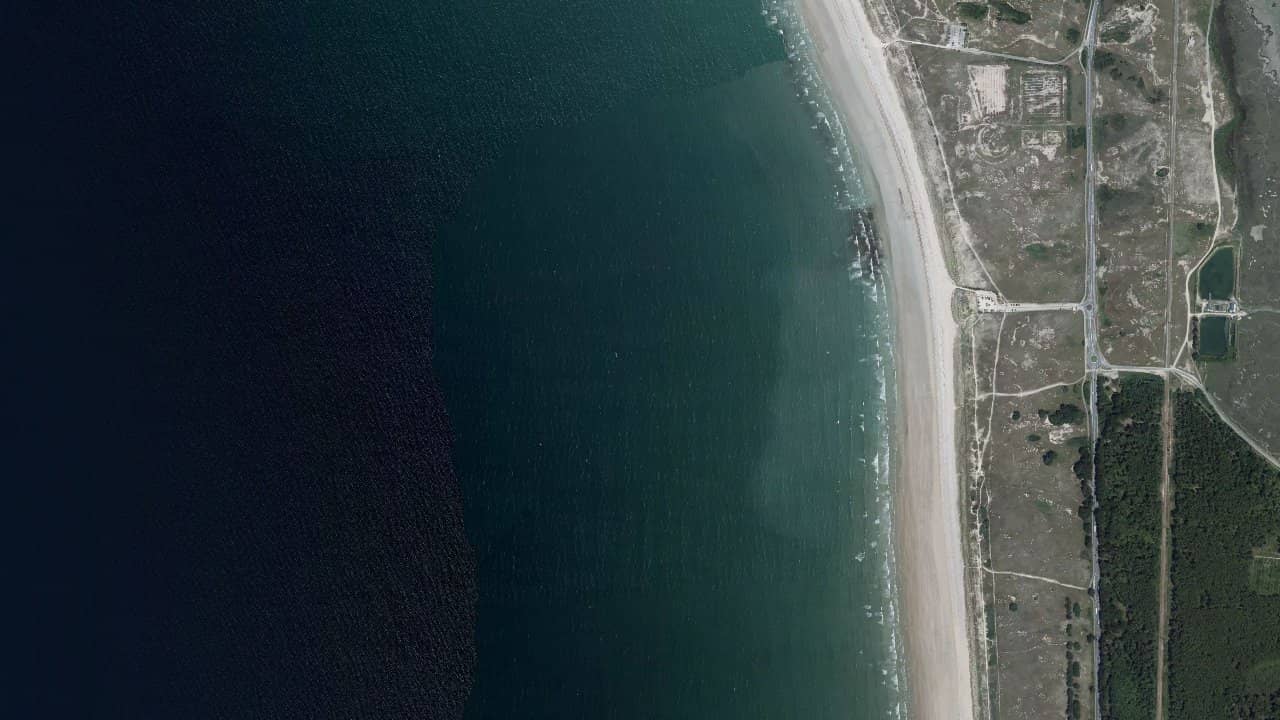
Penthièvre, at the entrance of the Quiberon peninsula, is a must-visit kitesurfing spot in Brittany. The Mané Guen beach stretches as far as the eye can see between the ocean and the bay, offering an ideal playground for fans of waves, freeride, and big air. The atmosphere is typically Breton: wild, bright, and salty. Here, the wind blows strong, the sessions are intense but always magical. The turquoise water on sunny days and the beach lined with dunes make it a spot as aesthetic as it is effective. It is a meeting place for enthusiasts, between the swell of the Atlantic and the powerful wind from the open sea.

The wind data shown here comes from ERA5 (via Open-Meteo) over 4 years, reprocessed to reflect realistic conditions.
👉 Average wind has been calibrated to avoid the usual underestimation of models.
👉 Gusts have been corrected by a median ratio to avoid unrealistic extreme values.
👉 Each day is summarized by the median wind (P50) observed during useful hours (8am–8pm), then classified into wind ranges.
👉 The weighted mode mixes average wind and gusts to best reflect felt wind.
The Penthièvre spot is open to the ocean, which guarantees a constant wind but also a more formed sea. The wind from west to southwest is side-onshore and very stable. At low tide, the water is flat to slightly choppy in the sandy areas to the south, perfect for freeride. At high tide, the Atlantic swell comes in more strongly and creates beautiful waves of 1 to 2 meters depending on the conditions. The launch is easy, the beach is vast, and natural safety is excellent. It is a complete spot, used for both progression and training of experienced riders.
Wind from west to southwest, side-onshore, between 18 and 28 knots. This is the cleanest and safest direction for this spot.
Water conditions are flat to choppy at low tide, wavy at high tide with a regular swell. The waves are clean, spaced out, and perfect for surfkiting. The bottom is sandy, the slope gentle, and reading the sea is easy even for the less experienced.
Moderate currents depending on the tide, mainly oriented northward on the rising tide. Nothing dangerous in the main area, but caution is advised towards the ends of the beach where the current can accelerate. The spot remains generally safe for vigilant riders.
Riders generally use kites of 7 to 10 m². In winter, in strong wind, 6 to 8 m² are ideal. In summer, for moderate thermals, a 10 or 11 m² is perfect.
The prevailing wind comes from the west and southwest, between 15 and 30 knots. In summer, the local thermal can strengthen the breeze, while in winter, Atlantic depressions bring strong winds sometimes exceeding 35 knots. Northwest orientations also work very well. The wind remains stable and side-onshore, ideal for waves and safety.
Brittany's oceanic climate: mild and humid in winter, temperate in summer. Temperatures range from 7°C to 25°C. The wind blows regularly throughout the year, with a peak of reliability between March and October. Rain is frequent but short-lived, and the clearings are spectacular. The sea air and changing light are part of the charm of the place.
Between 0.5 and 3 meters depending on the tide. Sandy and homogeneous bottom, gentle slope.
Between 11°C and 19°C depending on the season. A full wetsuit (5/4 mm) is necessary for most of the year, with a 3/2 mm possible from June to September.