Kiteloopers - Kitesurfing spots, trips and destinations worldwideKiteloopers - Kitesurfing spots, destinations and kite trips worldwide
MapDestinationsBlog
Log in

Project

  • About
  • Contact

Legal

  • Terms
  • Privacy
  • Cookies
  • Legal notices
  • Support

Community

  • Spots
  • Blog
  • Schools
  • Instructors
  • Accommodations
  • Trips
  • KiteMarket

Social

  • Instagram
  • Facebook
© 2026 Kiteloopers — All rights reserved
Porthcawl

Porthcawl - Coney Beach

Royaume-Uni

🎓Inter · Adv
🌊Choppy
💨—
☀️—

Porthcawl

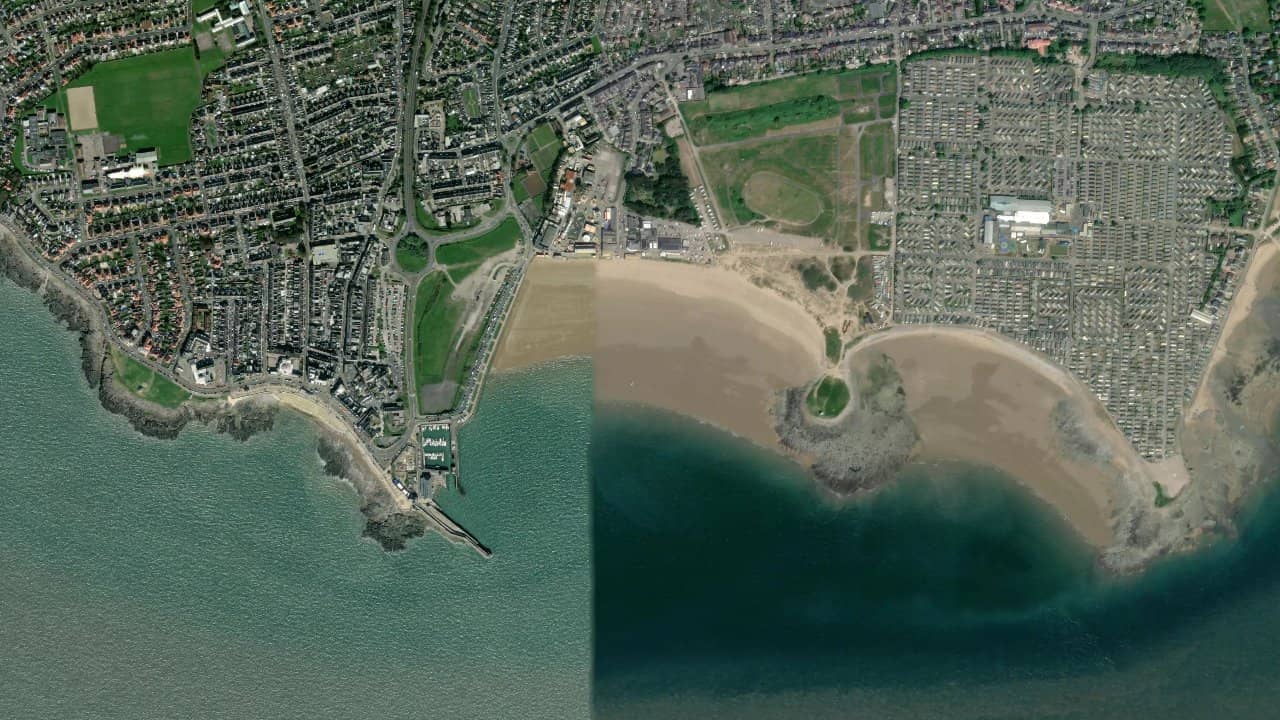
Coney Beach, in Porthcawl, is a simple and accessible seaside spot, with a large sandy beach and a summer atmosphere marked by the promenade and the waterfront. It is a spot favored by locals for its easy access and relatively clear navigation areas.

The spot works best when the wind is clean and oriented in the right direction, as onshore winds or those too far west quickly become irregular when passing over the town. It offers a practical setting for kitesurfing, but one must keep an eye on the crowds during the season and on the areas near the port structures.

The wind data shown here comes from ERA5 (via Open-Meteo) over 4 years, reprocessed to reflect realistic conditions.
👉 Average wind has been calibrated to avoid the usual underestimation of models.
👉 Gusts have been corrected by a median ratio to avoid unrealistic extreme values.
👉 Each day is summarized by the median wind (P50) observed during useful hours (8am–8pm), then classified into wind ranges.
👉 The weighted mode mixes average wind and gusts to best reflect felt wind.

  • 🟢 10–16 kts: light but sailable wind (especially on foil).
  • 🟡 16–22 kts: ideal range, comfortable conditions for most.
  • 🔴 22–28 kts: strong wind, reserved for experienced riders.
  • 🟣 28+ kts: extreme conditions, committed riding.

Location & Points of interest

Useful information

Water type
Depth
Rideability
High tide
chopchop
Standable
Yes
Low tide
flatflat
Standable
Yes
Riding conditions

The best wind axis for Coney Beach is generally east-southeast to south, with a wind rather side-shore to side-on depending on the exact direction and space on the beach. Westerly winds should be avoided, as they often become very gusty when passing over the town, which significantly degrades the quality of navigation.

Launching is done from the beach, with a more interesting area towards the eastern end to move away from other users and keep a margin. The beach edge is mainly composed of sand, with a fairly open water surface in the middle of the bay, but one must remain cautious near the breakwater and the port wall at the other end. At high tide, the water surface is more comfortable and the launch area is simpler; at low tide, the beach widens and the navigation lines remain passable, but one must watch for the increase in shallow areas and the effect of waves on the sand. The spot can offer interesting navigation with well-oriented swell, but in strong and irregular wind, it becomes less clean and more physical.

The beach can be busy in summer, with recreational activities and bathers, so placement on the water must remain clean and anticipated. The spot requires attentive navigation, especially when the wind comes in obliquely and when the swell combines with the tide.

Ideal wind
SE
S
Wdominant
SWdominant

The best conditions occur with a wind from southeast to south, fairly clean to remain steady and without too much turbulence. The ideal axis is rather side-shore to side-on, with enough space to launch cleanly and quickly move away from the shore.

The spot becomes really interesting when the wind is stable and the swell comes in well, as this provides smoother and more enjoyable navigation. Winds that are too westerly are less suitable, as they degrade the quality of the spot and make gusts more present.

Sea state

The water surface is often mixed, with chop when the wind is irregular and cleaner sections when the wind aligns well. With swell, one can find exploitable waves, especially when the swell enters cleanly into the bay.

At low tide, the area may appear calmer in places, but the bottom relief and wind effect can create less regular passages. At high tide, the water is generally more comfortable for launching, with more margin on the beach and a simpler reading of trajectories.

Sea currents

Currents are generally moderate, but they can become more pronounced near port structures and during tide changes. Therefore, it is important to keep a margin near the shore and avoid getting trapped too close to the structures.

The tide plays an important role in the navigation area. The spot remains workable in several sea states, but reading the water surface becomes easier when the tide is well established and the beach offers enough space to organize.

Recommended kite size

With wind around 23 to 24 knots, the most useful sizes are often 7 m², 8 m², and 9 m² depending on the rider's weight and the actual strength on the water. A lighter rider may sometimes go down to 6 m², while a heavier rider will be more comfortable on 9 m² or 10 m² if the wind drops a bit.

At this spot, it is advisable to use a slightly smaller kite if the wind is gusty, as power variations are frequent when it passes over the town. For a realistic quiver in Porthcawl, sizes 7, 8, and 9 m² often cover the majority of good sessions.

Weather & wind

The wind regime is dominated by Atlantic flows, with cleaner sessions when the wind comes from the southeast or south. Westerly winds, on the other hand, are often gusty and irregular at this spot, as they pass over the relief and urban fabric of Porthcawl.

During the best windows, one can have a moderate to strong wind, sufficient for comfortable kitesurfing with a medium kite. When depressions pass offshore, the wind can pick up quickly, but the quality remains better if the axis stays clean and well established.

Climate

The climate in Porthcawl is oceanic, with often changing conditions and significant humidity. Summers are generally mild, while autumn and winter more frequently bring gusts and swell, making them the most interesting periods for kitesurfing.

Water temperatures remain cool for much of the year, with a frequent need for a full wetsuit even in the milder season. The best months are not fixed here, as the spot mainly depends on Atlantic weather systems and wind orientation.

Depth

The depth is generally gradual with a sandy bottom in the beach area. Navigation is relatively simple offshore, but one must remain attentive to local variations related to tides and nearby structures.

Depending on the sea state, some areas remain more reassuring for launching and quickly moving away from the shore. The bottom does not present major difficulties in the main area, but the proximity of the port requires vigilance regarding trajectories.

Water temperature

The water remains cool for much of the year on the coast of Wales. In summer, the temperature becomes more bearable, but a full wetsuit is often necessary for long sessions.

In autumn and winter, the water temperature drops significantly, and generally, warmer protection is needed, with booties and accessories depending on the season. In spring, the sensations remain close to winter, with still cold water but often good wind windows.

Kitesurfers reviews

Chargement des avis...

Leave a review

0/500 characters

Your review will be reviewed before publication.

BookFind a schoolRent gear
View on map

Quick summary

  • 🌍 Country: Royaume-Uni
  • 📍 Area / Region: Wales
  • 💰 On-site budget: $
  • 🎓 Minimum level: Intermediate
  • 🌤️ Ideal season: —
  • 🪁 Recommended kite sizes: 7 m² – 10 m²

⚠️ Risks & Safety

  • Westerly winds can be very gusty when passing over the town.
  • The port wall and nearby structures should be kept at a distance.
  • The beach is busy during the season, with an increased risk of collision.
Need help?
  • 🛡️ Secure booking
  • 🌬️ Advice based on season and wind
  • 🧭 Partner guides & schools
Contact support →

Nearby spots

View on map

Loading…

← Back to search