Kiteloopers - Kitesurfing spots, trips and destinations worldwideKiteloopers - Kitesurfing spots, destinations and kite trips worldwide
MapDestinationsBlog
Log in

Project

  • About
  • Contact

Legal

  • Terms
  • Privacy
  • Cookies
  • Legal notices
  • Support

Community

  • Spots
  • Blog
  • Schools
  • Instructors
  • Accommodations
  • Trips
  • KiteMarket

Social

  • Instagram
  • Facebook
© 2026 Kiteloopers — All rights reserved
Kewstoke

Kewstoke - Sand Bay

Royaume-Uni

🎓Inter · Adv
🌊Choppy
💨23.5 kt
☀️9.7°C

Kewstoke

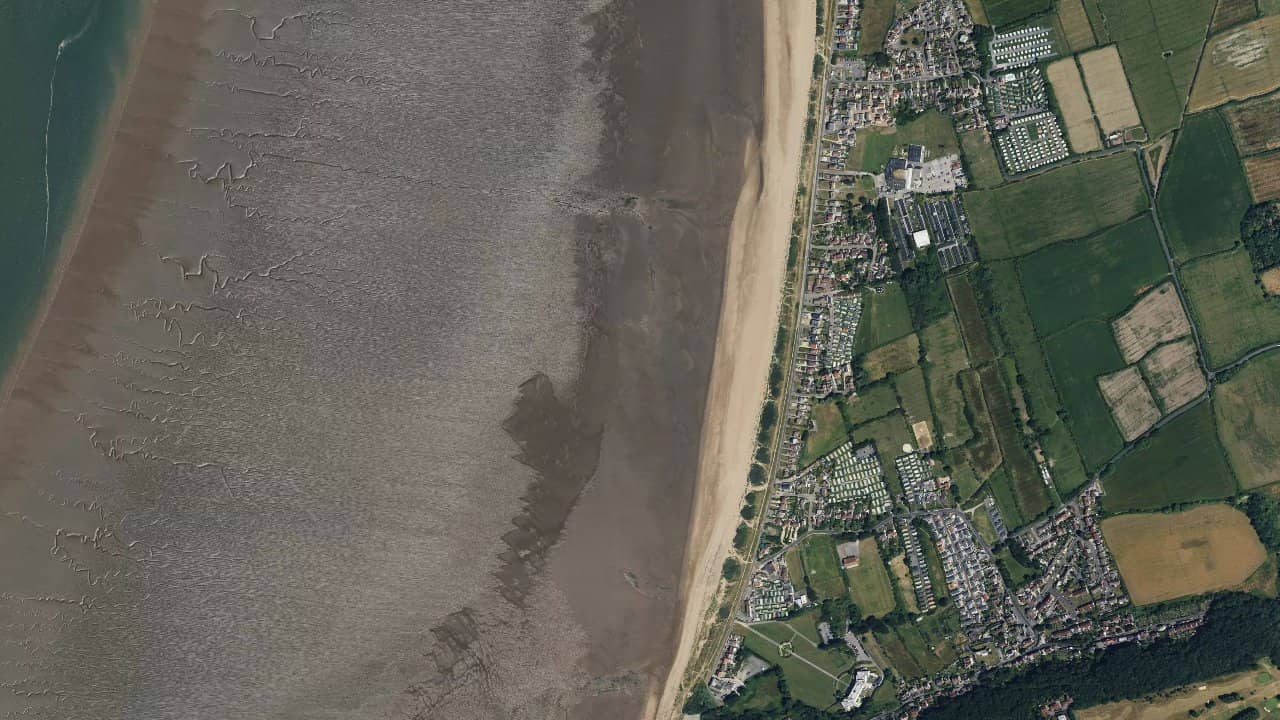
Sand Bay, in Kewstoke, is a popular spot for its long beach exposed to the wind and its calmer atmosphere compared to nearby resorts. It’s a simple and effective place to kitesurf when the conditions are well oriented.

The setting opens onto the Bristol Channel, with a large expanse of sand and shingle. It offers a rather natural environment, with a more laid-back crowd than on the more touristy beaches in the area.

The wind data shown here comes from ERA5 (via Open-Meteo) over 4 years, reprocessed to reflect realistic conditions.
👉 Average wind has been calibrated to avoid the usual underestimation of models.
👉 Gusts have been corrected by a median ratio to avoid unrealistic extreme values.
👉 Each day is summarized by the median wind (P50) observed during useful hours (8am–8pm), then classified into wind ranges.
👉 The weighted mode mixes average wind and gusts to best reflect felt wind.

  • 🟢 10–16 kts: light but sailable wind (especially on foil).
  • 🟡 16–22 kts: ideal range, comfortable conditions for most.
  • 🔴 22–28 kts: strong wind, reserved for experienced riders.
  • 🟣 28+ kts: extreme conditions, committed riding.

Location & Points of interest

Useful information

Water type
Depth
Rideability
High tide
chopchop
Standable
Yes
Low tide
flatflat
Standable
Yes
Riding conditions

The spot mainly works with a wind from W to NW, which generally arrives side-on to side-shore according to the beach axis. With winds more directly from the west, the orientation becomes more regular for navigating along the shore, while a more northwest flow can make the edge more irregular and require more attention to placement. Launching takes place from the beach, in a wide area but sometimes wet and firm depending on the tide, which leaves room to rig and start without being too cramped.

At low tide, a larger area with more exposed sand is available, making takeoff and return to land easier. The water remains more accessible then, with a more readable navigation area, even if one may encounter sandbanks and depth variations. At high tide, the usable space reduces, the beach becomes narrower, and navigation gets closer to the shore, which requires keeping an eye on drift and the exit area. The spot is pleasant for riders who enjoy simple navigation, with an open beach and a fairly clear water reading.

The launch area is generally located on the most open part of the beach, avoiding sectors where the sand is too loose or where the crowd concentrates near access points. Navigation is mainly parallel to the shore, with a wide space available when the tide and wind are well aligned. The spot can be more technical if the wind comes in irregularly or if the tide rises quickly, as the usable space can then decrease quite rapidly.

Ideal wind
Wdominant
NWdominant
N
SW

The best sessions occur with a wind from W to NW, well established and clean, preferably side-on to side-shore. This type of orientation provides the most comfortable navigation and limits return issues to the shore. A steady flow, without strong gusts, allows enjoying the spot in good conditions.

The spot becomes less interesting if the wind turns too onshore or remains too irregular near the sea. The cleanest days are often those when an Atlantic depression sends stable wind, with sufficient intensity to kitesurf with a medium kite without overkiting.

Sea state

The state of the water is generally flat to slightly choppy, with variations related to the wind and tide. When the sea is low or medium and the wind is well oriented, one can enjoy a fairly clean water surface near the shore, while passing swell and current can add some relief. This is not a wave spot, but rather a simple spot for sending quick runs.

When the wind picks up or the tide gains speed, the chop can strengthen and make navigation more physical. The water remains readable for most riders, with a feeling of open and uncluttered navigation. The best conditions are those of a steady wind, with a poorly formed sea and a tide that still leaves enough accessible sand.

Sea currents

Currents can become marked in the Bristol Channel, especially near the phases of rising and falling tides. The spot requires monitoring the timing of the tide, as the current can change the navigation position and complicate the return to the starting area. At low tide, reading the terrain is easier, but sandbanks and exposed areas require keeping a margin.

The current is generally more sensitive near passages where water flows quickly, and one must remain attentive if kitesurfing far from the shore or if the tide is already well engaged. For a serene session, it is better to start with a good tide window and maintain a clear return plan to the beach.

Recommended kite size

The most often suitable sizes are around 8 to 11 m², with a smaller kite on well-established days and a larger kite when the wind remains moderate. In strong conditions, a 7 to 8 m² may suffice, while a 10 to 11 m² will be more comfortable on lighter days. The choice depends a lot on the tide, the actual wind strength, and the rider's level.

On this type of exposed spot, it is useful to plan a margin in the quiver, as wind variations can be sharp from one hour to the next. For versatile use, sizes 7, 8, 9, 10, and 11 m² cover most sessions well.

Weather & wind

The dominant wind useful for kitesurfing most often comes from the west to northwest, with a frequent Atlantic-type flow. At Sand Bay, this regime is the most interesting as it generally provides usable wind along the beach, with good continuity on nice disturbance days. The spot can also receive stronger gusts when the gradient strengthens, which requires careful selection of kite size.

In good episodes, the wind is sufficiently established to allow comfortable navigation, but it can remain irregular near the shore during tide transitions or when the cloud cover fragments. The best sessions occur with a well-established flow, without too much disturbing land effect. The most favorable months are those when Atlantic wind bursts return regularly.

Climate

The local climate is oceanic, with mild winters, moderate summers, and rapid changes due to the passage of Atlantic disturbances. The best times to kitesurf are often between January and May, then in July and from November to December, when wind systems are more present. Days can remain cool even in the mild season, especially with the effect of the wind and marine humidity.

In summer, the air is generally more pleasant, but thermal winds are not the basis of the spot; it is primarily a weather spot. In winter and during the shoulder seasons, sessions are often more consistent in wind strength, but one must deal with cold water, marked humidity, and sometimes reduced visibility. The best days are those when a well-placed depression pushes a clean wind from the west to northwest.

Depth

The bottom is mainly sandy, with shingle areas depending on the sector and tide level. The depth is often gradual, but sandbanks can create rapid variations and shallower areas in certain spots. One can stand in a good part of the foreshore at low tide, which facilitates launching and returning to the shore.

At high tide, the depth increases quickly and the available space reduces near the shore. Therefore, it is necessary to monitor the tide to avoid getting too close to the shore or in a stronger current area. The spot remains generally accessible, but it requires respecting the reading of the terrain.

Water temperature

The water remains cold for a large part of the year in this area of southwest England. In winter and early spring, one often has to deal with low temperatures, making a thick wetsuit essential. In spring and early summer, the water remains fresh, even when the air becomes milder.

In summer, the water temperature becomes more pleasant, but it generally remains lower than that of more southern spots. In autumn, the sea gradually cools again, making thermal protection important to extend sessions without fatigue.

Kitesurfers reviews

Chargement des avis...

Leave a review

0/500 characters

Your review will be reviewed before publication.

BookFind a schoolRent gear
View on map

Quick summary

  • 🌍 Country: Royaume-Uni
  • 📍 Area / Region: England
  • 💰 On-site budget: $
  • 🎓 Minimum level: Intermediate
  • 🌤️ Ideal season: Nov → Mai
  • 🪁 Recommended kite sizes: 7 m² – 11 m²

⚠️ Risks & Safety

  • The current can be strong near tide phases and quickly pull away from the starting point.
  • Sand banks and shallow areas can appear at low tide.
  • The beach can become narrow at high tide, reducing space for takeoff and landing.
Need help?
  • 🛡️ Secure booking
  • 🌬️ Advice based on season and wind
  • 🧭 Partner guides & schools
Contact support →

Nearby spots

View on map

Loading…

← Back to search