Kiteloopers - Kitesurfing spots, trips and destinations worldwideKiteloopers - Kitesurfing spots, destinations and kite trips worldwide
MapDestinationsBlog
Log in

Project

  • About
  • Contact

Legal

  • Terms
  • Privacy
  • Cookies
  • Legal notices
  • Support

Community

  • Spots
  • Blog
  • Schools
  • Instructors
  • Accommodations
  • Trips
  • KiteMarket

Social

  • Instagram
  • Facebook
© 2026 Kiteloopers — All rights reserved
Hoylake

Hoylake - Red Rock

Royaume-Uni

🎓Inter · Adv
🌊Choppy
💨24.5 kt
☀️6.8°C

Hoylake

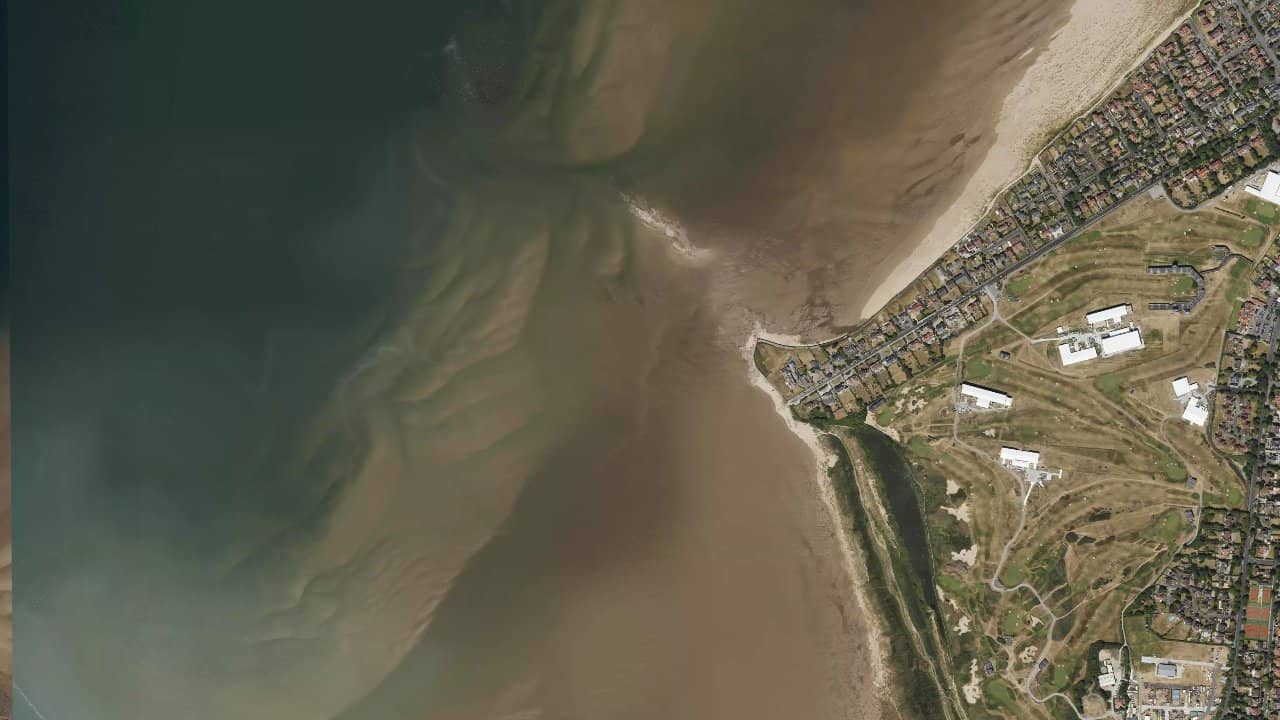
Hoylake Beach, in Hoylake, Merseyside, is a popular spot for its large beach and often suitable conditions for kitesurfing. It is a place known by local riders for its consistent wind and easy access from the seafront.

The spot works best when the sea reveals the beach well, leaving a wide area for launching and riding. The atmosphere remains typically English, with an open site that is practical and frequented by local kitesurfers.

The wind data shown here comes from ERA5 (via Open-Meteo) over 4 years, reprocessed to reflect realistic conditions.
👉 Average wind has been calibrated to avoid the usual underestimation of models.
👉 Gusts have been corrected by a median ratio to avoid unrealistic extreme values.
👉 Each day is summarized by the median wind (P50) observed during useful hours (8am–8pm), then classified into wind ranges.
👉 The weighted mode mixes average wind and gusts to best reflect felt wind.

  • 🟢 10–16 kts: light but sailable wind (especially on foil).
  • 🟡 16–22 kts: ideal range, comfortable conditions for most.
  • 🔴 22–28 kts: strong wind, reserved for experienced riders.
  • 🟣 28+ kts: extreme conditions, committed riding.

Location & Points of interest

Useful information

Water type
Depth
Rideability
High tide
chopchop
Partial
Yes
Low tide
flatflat
Standable
Yes
Riding conditions

The spot works with wind from the West to Northwest, which most often arrives in side-shore to side-on depending on the exact wind orientation and the tide. The large beach allows for easy preparation of the kite and gear, but it is important to keep a good distance from other users, especially during busy periods. Navigation mainly takes place on a wide band of clear water when the tide is low or falling, with more space for water starts and the first runs.

At low tide, the water is more accessible and clearer, with a wider launch area and a bottom that is clearly revealed. At high tide, the space reduces and the water can become more agitated near the shore, with rapid variations in water level. Therefore, the spot requires careful timing for launching, especially if the wind is irregular or if the sea rises quickly.

The most comfortable areas are generally found in line with the beach, where there is enough clearance to land, rig, and launch the kite. It is important to stay alert to areas more exposed to passersby, bathers in season, and the possible presence of local navigation zones. This is not a spot for improvising a tight launch or riding too close to the shore.

Ideal wind
Wdominant
NWdominant
N
SW

Ideal conditions occur with a well-established wind from W to NW, clean enough and sufficiently strong to utilize the large beach without overload. The spot is more enjoyable when the tide leaves a real window for riding and the wind comes from the side or slightly crosswise.

The best sessions are often those where the wind remains stable, with a little disturbed sea and enough space to launch cleanly. A wind that is too weak quickly reveals the current effect, while a wind that is too strong makes the edge more physical and technical.

Sea state

The water surface is often rather flat to slightly choppy when the sea is low and the wind remains consistent. As soon as the swell or wind picks up, the spot can take on a more agitated appearance, with short and sometimes somewhat disordered chop.

At high tide, the water can be more stirred up near the shore and less comfortable for beginners. At low tide, navigation becomes clearer and easier for working on edges, transitions, and kite control.

Sea currents

Currents are generally moderate, but they can become more pronounced near channels and areas where water drains quickly at low tide. The spot requires careful monitoring of drift, especially if the session lasts a long time or if the wind drops.

The tide has a direct impact on navigation areas and returning to shore. It is important to anticipate the rising or falling water to avoid getting too far from the exit point or in an area that has become too exposed.

Recommended kite size

The most useful sizes are often 7 to 10 m² depending on the rider's size and the season. In winter or with strong wind, a 7 or 8 m² will often be the most suitable, while in spring or with lighter winds, a 9 or 10 m² may be more appropriate.

For a versatile quiver at this spot, kites of 8, 9, and 10 m² cover a good portion of sessions. Heavier riders may aim for larger sizes, while lighter riders will often ride smaller sizes as soon as the wind picks up.

Weather & wind

The most interesting wind regime is often related to West and Northwest flows, which arrive well on this coastal sector. The site is exposed to disturbed passages from the Atlantic, which can provide sustained sessions, sometimes irregular, but usable for kitesurfing.

The best windows are often associated with wind from the W to NW, with sufficient intensity to ride on a twin-tip or a smaller kite depending on the season. The cleanest days occur when the flow is well established and the sea is not too disturbed by gusts.

Climate

The local climate is cool and humid for much of the year, with winters marked by low temperatures and a feeling often intensified by the wind. The best times are generally in spring and early autumn, when conditions are still rideable but more comfortable than in mid-winter.

In summer, temperatures become more pleasant, but they often remain moderate compared to other European destinations. The months of January, February, March, and December are the most interesting for wind, but they are also the coldest periods, making thermal gear essential.

Depth

The depth is often gradual on this type of large beach, with a mainly sandy bottom. You can stand for a good distance at low tide, which facilitates launching and the initial phases of riding.

At high tide, the water becomes deeper quickly and the usable beach area decreases significantly. Therefore, it is important to choose your launch window wisely to enjoy the best compromise between space, depth, and comfort.

Water temperature

The water remains cold for much of the year, with winter sensations marked from January to April. Even in spring, a thick wetsuit is often necessary to ride for long periods without losing comfort.

In summer, the water temperature becomes more bearable, but it generally remains cool compared to spots further south. Suitable gear is useful almost all year round, especially for long or windy sessions.

Kitesurfers reviews

Chargement des avis...

Leave a review

0/500 characters

Your review will be reviewed before publication.

BookFind a schoolRent gear
View on map

Quick summary

  • 🌍 Country: Royaume-Uni
  • 📍 Area / Region: England
  • 💰 On-site budget: $
  • 🎓 Minimum level: Intermediate
  • 🌤️ Ideal season: Déc → Mar
  • 🪁 Recommended kite sizes: 7 m² – 10 m²

⚠️ Risks & Safety

  • The current can become more pronounced near channels and at low tide.
  • The launch area can be crowded with walkers during busy periods.
  • Rocks and exposed areas can appear at low tide in certain sections of the shore.
Need help?
  • 🛡️ Secure booking
  • 🌬️ Advice based on season and wind
  • 🧭 Partner guides & schools
Contact support →

Nearby spots

View on map

Loading…

← Back to search