
Kiteloopers - Kitesurfing spots, trips and destinations worldwideKiteloopers - Kitesurfing spots, destinations and kite trips worldwide
CarteDestinationsBlog
Connexion

Project

  • About
  • Contact

Legal

  • Terms of Service
  • Privacy
  • Cookies
  • Legal mentions
  • Support

Community

  • Spots
  • Blog
  • Schools
  • Instructors
  • Accommodations
  • Trips
  • KiteMarket

Social

  • Instagram
  • Facebook
© 2026 Kiteloopers — All rights reserved
San Fernando

San Fernando - Playa de Camposoto

Espagne

🎓Inter · Conf
🌊Choppy
💨23.7 nd
☀️17.2°C

San Fernando

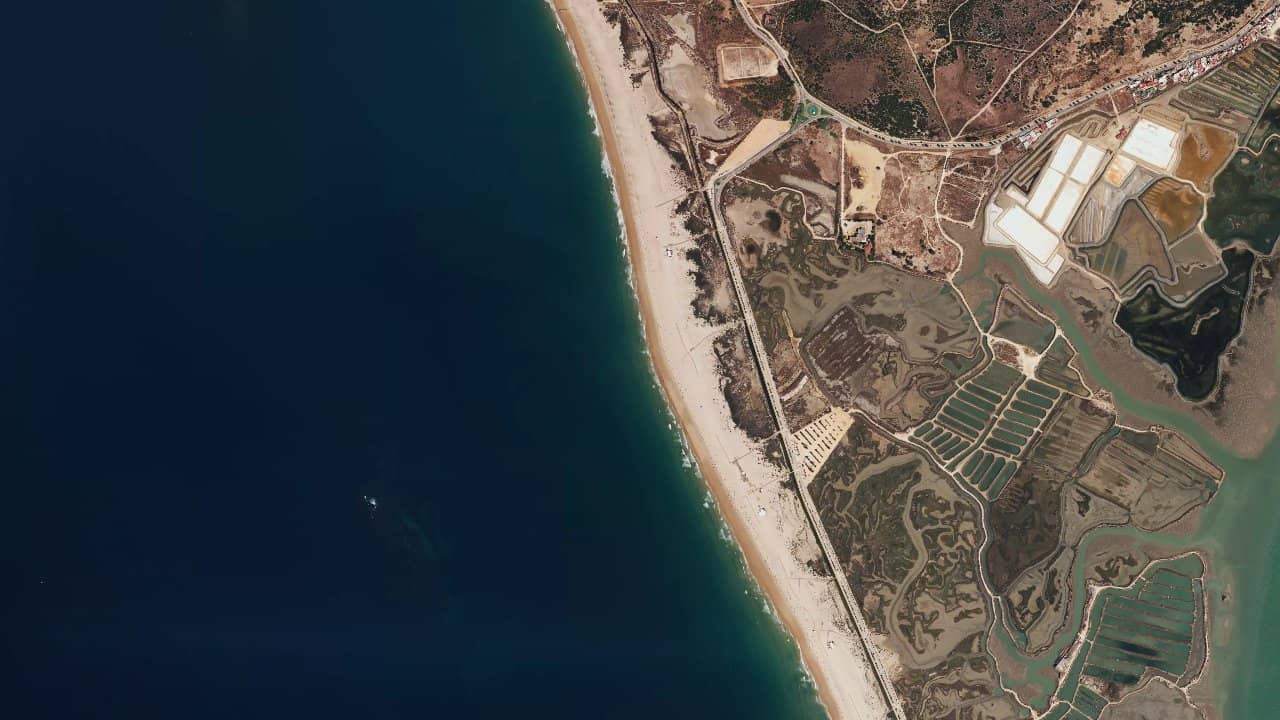
The Camposoto beach, in San Fernando, Andalusia, is a large, very open sandy beach, appreciated by local riders for its easy access and beautiful riding area. It is a spot known for its sessions that are easy to read when the wind is well oriented.

People come here mainly for the space, the length of the sandbank, and the often clean conditions depending on the tide. The atmosphere remains very local, with a well-established kite practice on the beach.

Les données de vent affichées ici proviennent d’ERA5 (via Open-Meteo) sur 4 ans, retraitées pour refléter des conditions réalistes.
👉 Le vent moyen a été calibré pour éviter la sous-estimation habituelle des modèles.
👉 Les rafales ont été corrigées par un ratio médian afin d’éviter des valeurs extrêmes irréalistes.
👉 Chaque jour est résumé par le vent médian (P50) observé pendant les heures utiles (8h–20h), puis classé dans des plages de vent.
👉 Le mode pondéré mélange vent moyen et rafales pour refléter au mieux le vent ressenti.

  • 🟢 10–16 nds : vent faible mais navigable (notamment en foil).
  • 🟡 16–22 nds : plage idéale, conditions confortables pour la majorité.
  • 🔴 22–28 nds : vent fort, réservé aux riders expérimentés.
  • 🟣 28+ nds : conditions extrêmes, navigation engagée.

Localisation & Points d'intérêt

Informations utiles

Type d’eau
Profondeur
Navigabilité
Marée haute
chopchop
Pied
Oui
Marée basse
chopchop
Pied
Oui
Conditions de navigation

Camposoto mainly works with wind from the W to NW sector, with good sessions also when the wind has a bit of a SW component according to local sources. The beach is very exposed and wide, allowing space to rig and take off, but it is important to respect the navigation area and the water sports zone when they are in place during the season.

The water surface is generally composed of chop with sometimes small waves, especially when the wind pushes a bit across the water. At low tide, some sources report that rocks may appear in some areas, so launching requires more attention in the lower beach. At high tide, navigation is more comfortable, and the usable space at the water's edge is often better for clean take-offs.

The beach is quite suitable for simple navigation when the wind is side-shore to side-on depending on the day's direction, with a cleaner feel in the central part and well-cleared areas. However, with wind too offshore or misaligned, the session becomes less comfortable, especially if you move away from the monitored area or the part allowed for kites. Launching takes place on the sand, with a wide take-off area, but it is important to stay attentive to other users and reserved sectors.

Vent ideal
Wdominant
NWdominant
SW

The best sessions occur with a steady wind from W to NW, or with a SW component when the water surface remains clean and readable. An intensity around 20 to 30 kts often corresponds to a very playable range for a rider equipped for freeride.

The beach works well when the wind is stable enough to allow for an easy launch from the sand and runs without too many holes. The best conditions are those that maintain a good alignment of wind/beach and a tide that leaves a comfortable launch area.

État de la mer

The water surface is most often a mix of chop and small waves, with a fairly simple reading for progressing in freeride. When the wind is clean and well-aligned, you can have more regularly ridden runs, but it is not an absolute flat spot.

Depending on the tide and wind strength, the water can range from a slight chop to a more agitated surface. The best sensations are often found when the wind is stable and the beach provides enough space to take off without constraints.

Courants marins

Currents are generally modest, but they can strengthen near outflow areas and during tide changes. Therefore, it is important to keep a margin offshore and monitor your return to the shore when the tide starts to rise or fall quickly.

The spot becomes more readable when the tide is medium to high, as the starting area is then more comfortable and reading the current is simpler. At low tide, vigilance increases due to more irregular areas and possible rocky deposits indicated by local practitioners.

Taille de kite recommandée

With wind around 23 kts, the most useful sizes are often 7 m², 8 m², and 9 m², depending on the rider's size and the board used. For heavier riders or slightly lighter wind, 10 m² can still be relevant.

Below that, 11 m² is more suitable for lighter days, while 7 m² becomes the right size when the wind picks up significantly and the sea takes on a bit more texture. Local practitioners often stick to a versatile quiver to cover the variability of the spot.

Météo & vent

The most interesting wind regime at Camposoto revolves around the W and NW sectors, with local variations that can also work depending on the day's configuration. Local sources also mention sessions with winds from N and NE, which correspond to sometimes cleaner conditions along this coastline.

With 23 kts, the spot enters a very acceptable range for a classic freeride session. The wind can be quite consistent on this large open beach, but it remains important to check the exact orientation before heading out, as the angle relative to the shore quickly changes the quality of navigation.

Climat

The climate in San Fernando is of a mild Mediterranean type, with relatively mild winters and hot, dry summers. The best periods are often in spring and late winter, with more pleasant riding conditions than in the middle of summer.

In the hot season, the air is often warm, and the spot becomes more comfortable very early in the morning or late in the day. In winter, a warmer wetsuit is necessary, but temperatures often remain navigable for those aiming for regular sessions.

Profondeur

The depth is generally gradual with a sandy bottom. You can often stand a good distance from the shore, which facilitates launching and starting.

At low tide, some areas can become more sensitive due to the rise of occasional stones. Therefore, it is important to keep an eye on the lower beach before rigging and before launching the first runs.

Température de l’eau

The water remains cool in winter and early spring, with a full wetsuit essential for most riders. In spring, conditions become more pleasant without being really warm offshore yet.

In summer, the water temperature is more comfortable, which often allows for lighter gear. Autumn is still very navigable, with water retaining some of the heat stored during the hot season.

Avis des kitesurfers

Chargement des avis...

Laisser un avis

0/500 caractères

Votre avis sera modéré avant publication

RéserverTrouver une écoleLouer du matériel
Voir sur la carte

Résumé rapide

  • 🌍 Pays : Espagne
  • 📍 Zone / Région : Andalusia
  • 💰 Budget sur place : $
  • 🎓 Niveau minimum : Intermédiaire
  • 🌤️ Saison idéale : Fév / Mai
  • 🪁 Tailles de kite reco. : 7 m² – 11 m²

⚠️ Risques & Sécurité

  • Rocks may appear at low tide in some areas.
  • Be attentive to reserved areas and other users of the large beach.
  • The current can be more pronounced near outflows and during tide changes.
Besoin d’aide ?
  • 🛡️ Réservation sécurisée
  • 🌬️ Conseils selon la saison et le vent
  • 🧭 Guides & écoles partenaires
Contacter le support →

Spots à proximité

Voir sur la carte →

Chargement des spots proches...

← Retour à la recherche