Kiteloopers - Kitesurfing spots, trips and destinations worldwideKiteloopers - Kitesurfing spots, destinations and kite trips worldwide
CarteDestinationsBlog
Connexion

Project

  • About
  • Contact

Legal

  • Terms of Service
  • Privacy
  • Cookies
  • Legal mentions
  • Support

Community

  • Spots
  • Blog
  • Schools
  • Instructors
  • Accommodations
  • Trips
  • KiteMarket

Social

  • Instagram
  • Facebook
© 2026 Kiteloopers — All rights reserved
Gorliz

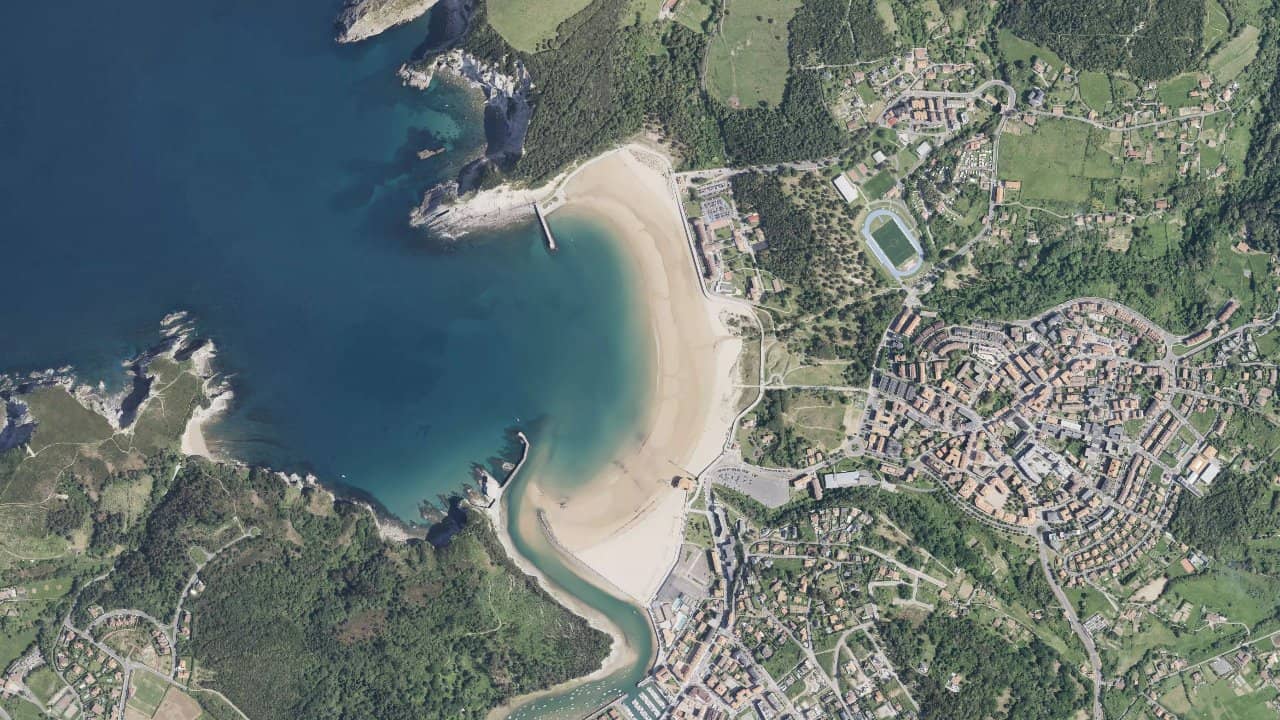
Gorliz - Plage de Plentzia

Espagne

🎓Inter · Conf
🌊Flat
💨—
☀️—

Gorliz

The beach of Plentzia, in Gorliz, is a pleasant bay spot, very popular with families and local riders. It offers a simple and practical setting, with easy access and a wide sandy beach.

It is a spot appreciated for its sheltered location and its water surface often usable when the sea is more formed offshore. The conditions are more interesting for kitesurfing when the wind is well oriented and sufficiently steady.

Les données de vent affichées ici proviennent d’ERA5 (via Open-Meteo) sur 4 ans, retraitées pour refléter des conditions réalistes.
👉 Le vent moyen a été calibré pour éviter la sous-estimation habituelle des modèles.
👉 Les rafales ont été corrigées par un ratio médian afin d’éviter des valeurs extrêmes irréalistes.
👉 Chaque jour est résumé par le vent médian (P50) observé pendant les heures utiles (8h–20h), puis classé dans des plages de vent.
👉 Le mode pondéré mélange vent moyen et rafales pour refléter au mieux le vent ressenti.

  • 🟢 10–16 nds : vent faible mais navigable (notamment en foil).
  • 🟡 16–22 nds : plage idéale, conditions confortables pour la majorité.
  • 🔴 22–28 nds : vent fort, réservé aux riders expérimentés.
  • 🟣 28+ nds : conditions extrêmes, navigation engagée.

Localisation & Points d'intérêt

Informations utiles

Type d’eau
Profondeur
Navigabilité
Marée haute
flatflat
Pied
Oui
Marée basse
chopchop
Pied
Oui
Conditions de navigation

The spot mainly works with a wind from NW to W, which generally arrives side-on to side-shore depending on the tide and the exact wind axis. A NE wind can also come in, but it is often more irregular and more cross-onshore, with less comfort for going upwind. The beach is wide, allowing space to prepare the kite and launch, but a clear safety zone must be maintained due to the beachgoer traffic in season.

The water surface is generally cleaner in the bay, with behavior that depends a lot on the swell and tide level. At low tide, there are often more shallow areas and a calmer water surface near the shore, while at high tide navigation becomes more regular but with more chop. Launching is done from the sand, with a launch area to be organized away from bathers and walkers. The spot requires staying attentive to the available space, especially during busy periods.

The conditions are close to a versatile bay spot, with a more accessible water surface than on the exposed points of the coast. When the swell comes in properly, navigation can become more interesting offshore, but the spot remains mainly oriented towards bay navigation with a wind from the west to northwest sector.

Vent ideal
Wdominant
NWdominant

The best conditions come with a steady W to NW wind, ideally around 18 to 25 knots. A well-established flow provides cleaner and simpler navigation to go upwind in the bay.

A side-on wind is generally the most comfortable here, as it facilitates safety, returning to the beach, and controlling the kite. Winds that are too irregular or too offshore oriented are less suitable for the spot.

État de la mer

The water surface is often a mix of flat and small chop, with a cleaner surface in the bay when the swell remains moderate. When the sea becomes more formed, the spot can become livelier, but it does not take on the character of a true wave spot on a daily basis.

Depending on the tide and swell, one can go from fairly calm navigation to a more choppy water surface. The spot remains more comfortable for a versatile session than for seeking big waves.

Courants marins

The bay generally limits the current, and navigation is often simpler than in very exposed areas. The current is generally weak, but it can strengthen locally near passes, changes in the seabed, and depending on the tide coefficient.

Tide times strongly influence the width of the navigable area and the ease of launching. At low tide, some areas become shallower and more technical, while at high tide the beach is more comfortable but the safety zone must be even better respected.

Taille de kite recommandée

With the usual local wind and the provided weather note, the most useful sizes are often between 7 m² and 11 m². On windy days, an 8 m² or 9 m² will often be the right choice for an average build.

When the wind drops or if the rider is heavier, a 10 m² or 11 m² becomes more suitable. In case of a real gust, a 7 m² may be enough to maintain control.

Météo & vent

The local regime is often dominated by winds from the W to NW, with more irregular windows depending on Atlantic depressions. In summer, thermal breezes can help complete calm days, but the spot mainly depends on disturbed passages and westerly flows.

A NE wind can also occur on the Basque coast, but it is generally less comfortable here than a well-established westerly flow. For kitesurfing, the best sessions come when the wind is sufficiently steady, around 20 to 25 knots, with a direction that allows for a good navigation angle in the bay.

Climat

The climate of the Basque coast is temperate oceanic, with mild winters and moderate summers. Temperatures generally remain bearable throughout the year, but the water is rarely warm and a wetsuit is essential for a large part of the season.

The most pleasant months to enjoy the spot are often from May to September for overall comfort, while autumn and winter bring more rain and often cooler conditions. For kiting, the intermediate seasons are often the most interesting if the goal is to combine wind, less crowded beaches, and more comfortable navigation.

Profondeur

The depth is generally gradual with a sandy bottom on the beach and in the bay. One often has footing over a good distance, especially depending on the tide time and the exact navigation area.

The spot is easier to manage than a rocky site, but the variation in depth related to the tides requires keeping an eye on the launch and recovery area. Areas close to the ends of the bay can become more technical depending on the water level.

Température de l’eau

The water generally remains cool all year round on the Basque coast. In summer, it often hovers around 18 to 20°C at best, while in winter it drops to around 12 to 14°C.

A wetsuit is necessary almost all year round, with more thickness in winter. Booties can also be useful when the temperature drops or when sessions are long.

Avis des kitesurfers

Chargement des avis...

Laisser un avis

0/500 caractères

Votre avis sera modéré avant publication

RéserverTrouver une écoleLouer du matériel
Voir sur la carte

Résumé rapide

  • 🌍 Pays : Espagne
  • 📍 Zone / Région : Autonomous Community of the Basque Country
  • 💰 Budget sur place : $
  • 🎓 Niveau minimum : Intermédiaire
  • 🌤️ Saison idéale : —
  • 🪁 Tailles de kite reco. : 7 m² – 11 m²

⚠️ Risques & Sécurité

  • The spot is very crowded in season, with a risk of conflict with bathers and walkers.

  • The current can be more pronounced near transition areas and tidal passages.

  • Launching must be done in a clear area, as the beach can be narrow depending on the time and crowding.

Besoin d’aide ?
  • 🛡️ Réservation sécurisée
  • 🌬️ Conseils selon la saison et le vent
  • 🧭 Guides & écoles partenaires
Contacter le support →

Spots à proximité

Voir sur la carte →

Chargement des spots proches...

← Retour à la recherche