Kiteloopers - Kitesurfing spots, trips and destinations worldwideKiteloopers - Kitesurfing spots, destinations and kite trips worldwide
CarteDestinationsBlog
Connexion

Project

  • About
  • Contact

Legal

  • Terms of Service
  • Privacy
  • Cookies
  • Legal mentions
  • Support

Community

  • Spots
  • Blog
  • Schools
  • Instructors
  • Accommodations
  • Trips
  • KiteMarket

Social

  • Instagram
  • Facebook
© 2026 Kiteloopers — All rights reserved
Castellare-di-Casinca

Castellare-di-Casinca - Plage de Anghione

France

🎓Inter · Conf
🌊Flat
💨—
☀️—

Castellare-di-Casinca

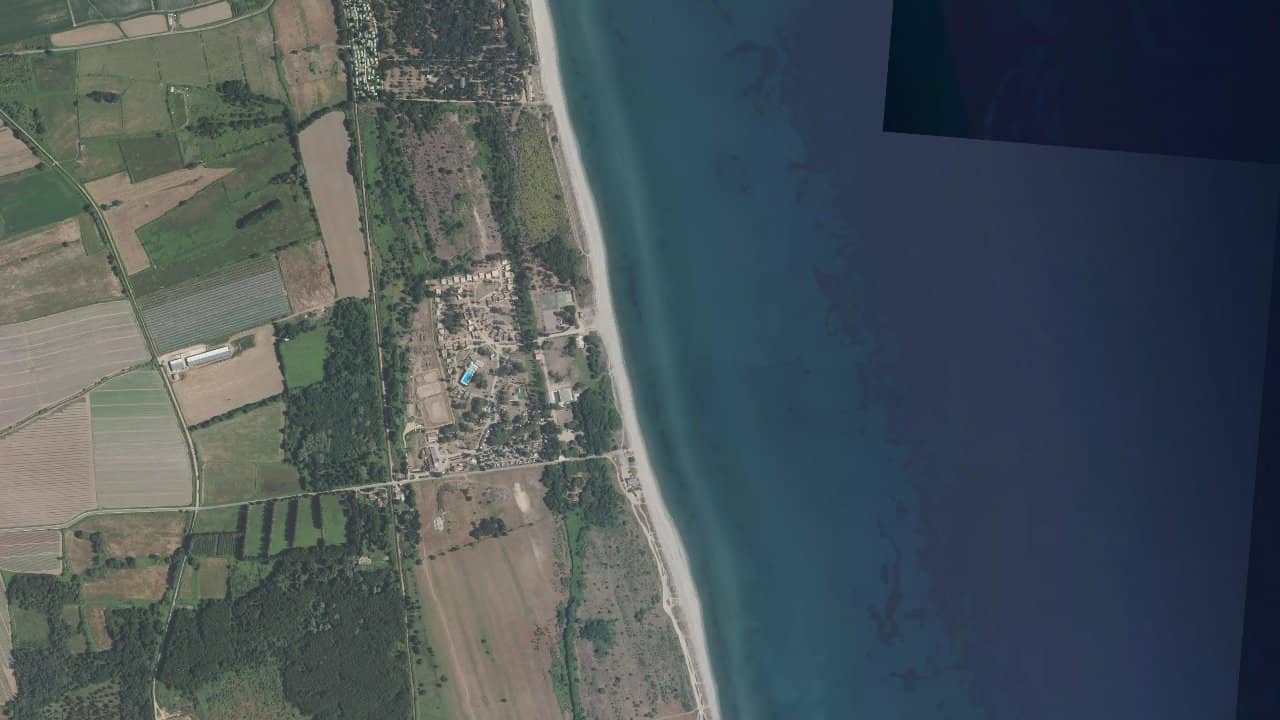
The beach of Anghione, in Castellare-di-Casinca, stretches along a long strip of fine sand on the eastern coast of Corsica. It is a spot often appreciated for its easy access, parking by the beach, and its fairly quiet atmosphere outside the most frequented areas.

For kitesurfing, Anghione remains interesting when the wind is well established. The water surface is generally cleaner than on beaches very exposed to waves, with a comfortable navigation area along the shore. However, the area does require keeping an eye on the crowd and the available space for takeoff.

Les données de vent affichées ici proviennent d’ERA5 (via Open-Meteo) sur 4 ans, retraitées pour refléter des conditions réalistes.
👉 Le vent moyen a été calibré pour éviter la sous-estimation habituelle des modèles.
👉 Les rafales ont été corrigées par un ratio médian afin d’éviter des valeurs extrêmes irréalistes.
👉 Chaque jour est résumé par le vent médian (P50) observé pendant les heures utiles (8h–20h), puis classé dans des plages de vent.
👉 Le mode pondéré mélange vent moyen et rafales pour refléter au mieux le vent ressenti.

  • 🟢 10–16 nds : vent faible mais navigable (notamment en foil).
  • 🟡 16–22 nds : plage idéale, conditions confortables pour la majorité.
  • 🔴 22–28 nds : vent fort, réservé aux riders expérimentés.
  • 🟣 28+ nds : conditions extrêmes, navigation engagée.

Localisation & Points d'intérêt

Informations utiles

Type d’eau
Profondeur
Navigabilité
Marée haute
chopchop
Pied
Oui
Marée basse
flatflat
Pied
Oui
Conditions de navigation

The spot mainly works with a side-shore to side-on wind depending on the day's direction, which allows for safer navigation along the beach. With too much onshore wind, the area becomes shorter and the pickup can quickly become annoying. With too much offshore wind, one should avoid going out, as returning to shore becomes delicate.

The launch is done directly from the sandy beach, with a launch area to choose far from swimmers and families. The edge is wide, which helps to prepare the equipment, but one must remain discreet and clean in the takeoff space. When the sea is calm, one navigates on a rather flat to slightly choppy water surface, sometimes with a small shorebreak depending on the swell and the season.

The spot is well-suited for riders who know how to manage their trajectory near the shore. The long sections of sand allow for easy walking and repositioning, but one must watch out for more crowded areas and keep a margin with other beach users. Navigation is more enjoyable when the sea is not crowded and the wind is regular.

Vent ideal
SE
E
NE

The best sessions occur with a well-established side-shore to side-on wind, around 18 to 28 knots. A regular flow from the SE, E, or NE is often the most comfortable for safely utilizing the beach. When the wind is stable and the sea remains moderate, the spot becomes really enjoyable.

État de la mer

The water surface is most often flat to slightly choppy, with a small residual swell possible depending on the day's exposure. In the best conditions, Anghione allows for long comfortable runs without too much movement underfoot. When the wind strengthens or when a swell from the sector comes in, the chop can quickly form and make navigation more physical.

The spot is especially interesting for those who enjoy speed and long runs in relatively simple water. One does not come here for big waves, but rather for an accessible, regular, and easy-to-read water surface. The area remains more pleasant when the beach is not crowded and the wind is stable.

Courants marins

Currents are generally moderate, but they can strengthen near certain passage areas and during episodes of more organized seas. The tide has little influence on the spot compared to other Atlantic regions, but it can still affect the width of the available beach and the position of the small backwash. The tide coefficient remains secondary for navigation, but it should not be ignored for boarding and returning to shore.

When the sea rises, the usable area can be a bit more reduced if the shorebreak takes up space. When it goes down, there is often more sand to prepare the kite and choose the starting point. Reading the edge remains simple overall, but one must stay attentive to water movements after several days of established wind.

Taille de kite recommandée

With an average build, the most useful sizes often range between 7 m and 10 m, with a strong presence of 8 m, 9 m, and 10 m when the wind is around 22 to 23 knots. In case of a more muscular session, a 7 m can become the right option. Lighter riders can often be satisfied with an 8 m or an 9 m.

Météo & vent

On this stretch of the Corsican coast, sessions often occur with winds from the NW to W, but also with breezes from the east or northeast depending on the synoptic situations. On thermal days or with a well-established flow, the wind can hold quite cleanly along the beach. The spot then becomes exploitable without too many dead spots if the direction remains well aligned.

The wind level provided here, around 22.6 knots, corresponds to an interesting range for a large number of riders. In eastern Corsica, however, one must monitor local variations: the wind can be stronger offshore, then drop near the shore or conversely accelerate due to corridor effects depending on alignments.

Climat

The climate of the eastern plain of Corsica is warm and sunny for a good part of the year, with fairly marked seasons. Summer is often dry, with high temperatures and very pleasant water for sailing in a shorty or lycra. Spring and autumn often offer the best wind conditions, with less heat and a calmer atmosphere.

Winter remains mild compared to other Mediterranean regions, but the wind can be cooler and more irregular depending on the episodes. In summer, the heat can quickly become strong on the sand, so it's best to plan for water, shade, and protection for the equipment. The most comfortable period for many riders is between spring and early autumn.

Profondeur

The depth is gradual and the bottom is mainly sandy. You can stand quite far from the shore, which facilitates preparation and takeoffs. The beach thus offers a rather simple launch, without reefs or major obstacles indicated in the main area.

Température de l’eau

The water is most pleasant in summer, with temperatures often ranging between 23 and 26 C at the surface. In spring and autumn, it remains acceptable, often around 17 to 22 C depending on the period. In winter, the water becomes significantly cooler and a warmer wetsuit is necessary.

Avis des kitesurfers

Chargement des avis...

Laisser un avis

0/500 caractères

Votre avis sera modéré avant publication

RéserverTrouver une écoleLouer du matériel
Voir sur la carte

Résumé rapide

  • 🌍 Pays : France
  • 📍 Zone / Région : Corsica
  • 💰 Budget sur place : $$
  • 🎓 Niveau minimum : Intermédiaire
  • 🌤️ Saison idéale : —
  • 🪁 Tailles de kite reco. : 7 m² – 10 m²

⚠️ Risques & Sécurité

  • Be careful of swimmers and other users, as the beach can be crowded during the season.
  • The shorebreak can become troublesome when the sea rises or when the swell comes in.
  • Avoid takeoffs in offshore wind, as returning to shore can become dangerous.
Besoin d’aide ?
  • 🛡️ Réservation sécurisée
  • 🌬️ Conseils selon la saison et le vent
  • 🧭 Guides & écoles partenaires
Contacter le support →

Spots à proximité

Voir sur la carte →

Chargement des spots proches...

← Retour à la recherche