Kiteloopers - Kitesurfing spots, trips and destinations worldwideKiteloopers - Kitesurfing spots, destinations and kite trips worldwide
MapDestinationsBlog
Log in

Project

  • About
  • Contact

Legal

  • Terms
  • Privacy
  • Cookies
  • Legal notices
  • Support

Community

  • Spots
  • Blog
  • Schools
  • Instructors
  • Accommodations
  • Trips
  • KiteMarket

Social

  • Instagram
  • Facebook
© 2026 Kiteloopers — All rights reserved
West Kirby

West Kirby - Marine Lake

Royaume-Uni

🎓Beg · Inter · Adv
🌊Flat
💨24.5 kt
☀️6.8°C

West Kirby

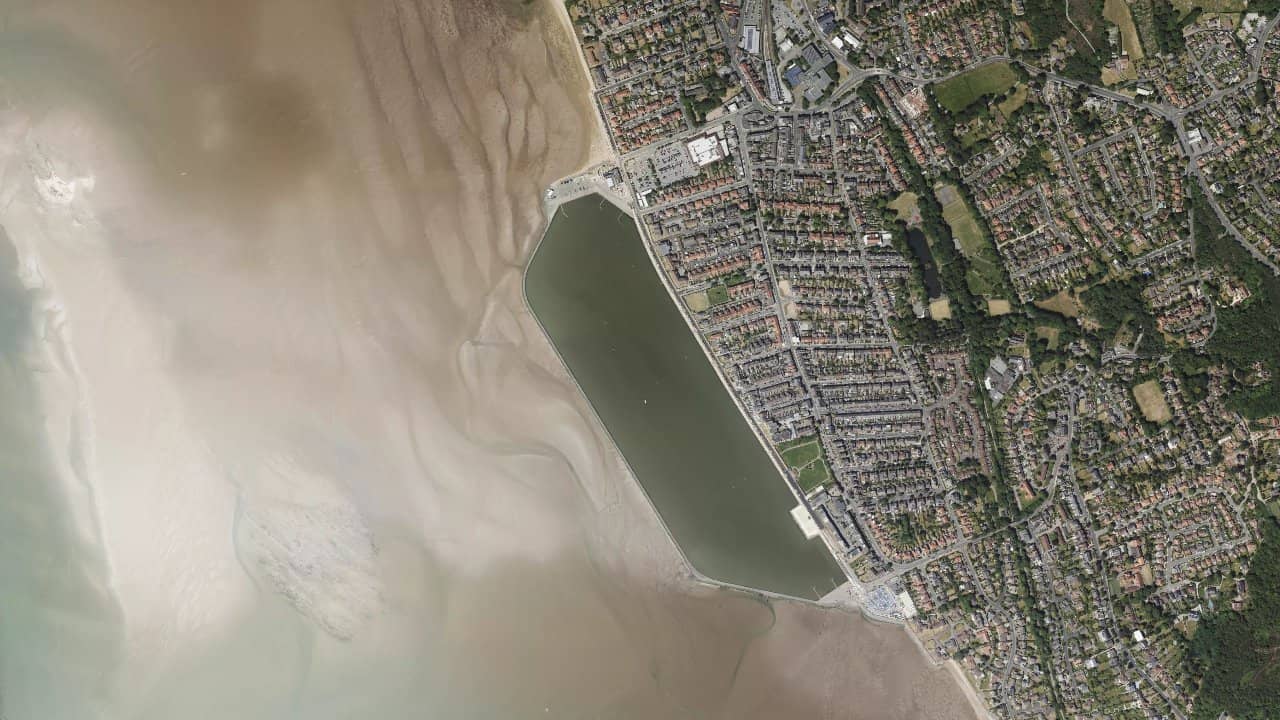
West Kirby Marine Lake is a popular spot on the Wirral for its enclosed water and convenient access. It is a place known by local riders for the flat water and the consistency of sessions when the wind is good.

The setting is simple and functional, with a very water sports-oriented atmosphere. People come here to ride safely, progress, and enjoy an easy-to-read spot for kitesurfing and foiling.

The wind data shown here comes from ERA5 (via Open-Meteo) over 4 years, reprocessed to reflect realistic conditions.
👉 Average wind has been calibrated to avoid the usual underestimation of models.
👉 Gusts have been corrected by a median ratio to avoid unrealistic extreme values.
👉 Each day is summarized by the median wind (P50) observed during useful hours (8am–8pm), then classified into wind ranges.
👉 The weighted mode mixes average wind and gusts to best reflect felt wind.

  • 🟢 10–16 kts: light but sailable wind (especially on foil).
  • 🟡 16–22 kts: ideal range, comfortable conditions for most.
  • 🔴 22–28 kts: strong wind, reserved for experienced riders.
  • 🟣 28+ kts: extreme conditions, committed riding.

Location & Points of interest

Useful information

Water type
Depth
Rideability
High tide
flatflat
Standable
Yes
Low tide
flatflat
Standable
Yes
Riding conditions

The spot mainly works with a wind from the W to NW sector, with good sessions also when the wind takes a side-shore to side-on component depending on the exact orientation. According to local guides, the site mainly accepts directions from SE to N, but easterly winds can become more irregular and gusty. The water remains very flat overall, making it a good area for foiling, freeride, and clean maneuvers.

Launching takes place on a fully enclosed artificial lagoon, with access supervised by the local water sports center. The spot is not complex to read, but one must respect navigation zones and access rules, as using the site requires a day pass or membership. The shallow depth facilitates support recovery and limits risks for equipment, but it also requires staying attentive to water level differences according to the tide and site usage.

In the best configurations, the spot offers clean navigation, with a fairly simple launch area and little interference from waves. The most enjoyable sessions occur when the wind is steady, as gusts can quickly make planning more technical, especially for beginners. The site is therefore very suitable for riders looking for a safe spot, easy to read, and suitable for working on support.

Ideal wind
Wdominant
NWdominant
N
NE
E
SE
S
SW

The best conditions occur with a W to NW wind, steady enough to provide clean navigation but without excessive gusts. A side-shore to side-on flow is the most interesting for maintaining safety and good control of the course.

The spot shows its best potential when the wind is stable over time, as the flat surface allows for clean navigation and working on transitions. For a comfortable session, it is better to avoid winds that are too northeast or too irregular.

Sea state

The water is generally flat, with a clean and undisturbed surface. This is one of the reasons why the spot attracts foil and freeride practitioners looking for a smooth surface.

Depending on the wind and activity on site, one may encounter slight chop, but without any real sea state. In shallow depth, the feeling remains very calm and navigation is mostly on a readable and reassuring water surface.

Sea currents

The water is a closed lagoon, so currents are generally weak. There are no real waves or typical sea currents to manage in the main navigation area.

The tide mainly influences the water level and the feeling of depth, rather than the presence of current. However, one should remain attentive to transition areas and any water movements near access points, as the site remains connected to a coastal environment subject to tides.

Recommended kite size

At this spot, the most useful sizes often range between 7 m² and 11 m², with a smaller kite on windy days and a larger kite when the flow remains moderate. Lighter riders can often go with 7 to 9 m², while heavier riders will aim for 9 to 11 m².

In winter and during the peak windy season, it is relevant to have a kite around 8 to 10 m² to cover most sessions. On more powerful days, a 7 m² can quickly become the right option.

Weather & wind

The wind regime is dominated by flows from the westerly to northwesterly directions, with some very windy days when disturbances pass over the Irish Sea. Spot guides also indicate that winds from SE to N can work, but easterly orientations are often more gusty.

On this type of site exposed to Atlantic systems, the best sessions often come with a well-established wind rather than a weak and irregular flow. Winter and early spring periods are generally the most interesting for finding usable and consistent wind.

Climate

The local climate is typically oceanic, with moderate temperatures for much of the year and often changing weather. The best months for wind are January, February, March, and December, which correspond to the coldest and most dynamic period with depressions in this part of the UK.

In summer, temperatures are milder and sessions can be pleasant, but the wind is often less consistent. In winter, the air is colder and wetter, requiring a good wetsuit, especially for long sessions.

Depth

The lagoon is very shallow, with a reported depth of around 5 feet, or about 1.5 m. The bottom is sandy and the site remains entirely enclosed, which limits risks related to waves and facilitates support recovery.

This shallow depth makes the spot very interesting for foiling and for riders who want to progress in a reassuring environment. One must only keep in mind that the depth remains limited, so falls and maneuvers should be done with a minimum of anticipation.

Water temperature

The water remains cold for much of the year, like most spots in the northwest of England. In winter and early spring, one should expect low temperatures that require a thick wetsuit, booties, and often gloves.

In summer, the temperature becomes more bearable, but it generally remains cool for a rider used to more southern spots. A 5/4 or a 4/3 well-suited wetsuit is often useful depending on the period.

Kitesurfers reviews

Chargement des avis...

Leave a review

0/500 characters

Your review will be reviewed before publication.

BookFind a schoolRent gear
View on map

Quick summary

  • 🌍 Country: Royaume-Uni
  • 📍 Area / Region: England
  • 💰 On-site budget: $
  • 🎓 Minimum level: Beginner
  • 🌤️ Ideal season: Déc → Mar
  • 🪁 Recommended kite sizes: 7 m² – 11 m²

⚠️ Risks & Safety

  • A day pass or membership at the water sports center is required to access the water.
  • The shallow depth requires monitoring of drifts and falls near the shore.
  • The wind can become gusty from certain orientations, especially when the flow turns easterly.
Need help?
  • 🛡️ Secure booking
  • 🌬️ Advice based on season and wind
  • 🧭 Partner guides & schools
Contact support →

Nearby spots

View on map

Loading…

← Back to search