Kiteloopers - Kitesurfing spots, trips and destinations worldwideKiteloopers - Kitesurfing spots, destinations and kite trips worldwide
MapDestinationsBlog
Log in

Project

  • About
  • Contact

Legal

  • Terms
  • Privacy
  • Cookies
  • Legal notices
  • Support

Community

  • Spots
  • Blog
  • Schools
  • Instructors
  • Accommodations
  • Trips
  • KiteMarket

Social

  • Instagram
  • Facebook
© 2026 Kiteloopers — All rights reserved
Minehead

Minehead - Terminus Beach

Royaume-Uni

🎓Inter · Adv
🌊Choppy
💨27.2 kt
☀️7.9°C

Minehead

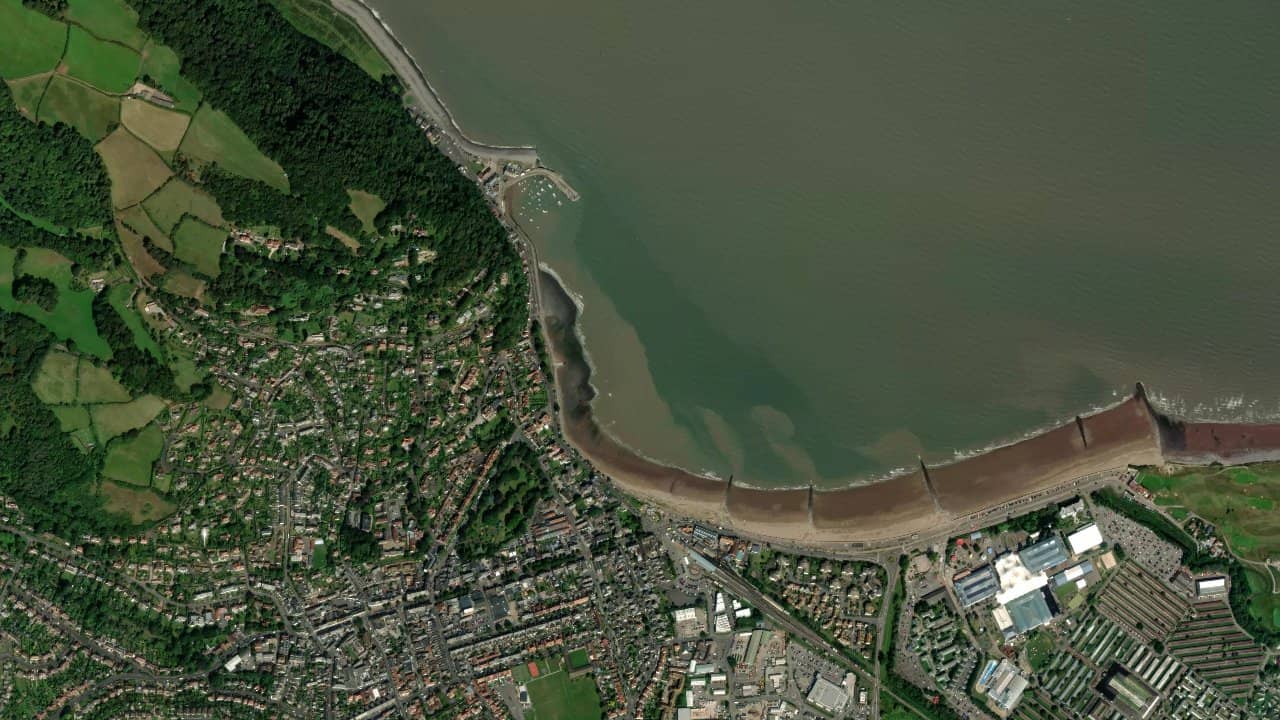
Terminus Beach, in Minehead, is a seaside spot appreciated for its large beach and easy access. It is a convenient place to kitesurf when the wind is well-oriented and the tide leaves enough space to take off safely.

The setting remains quite open, with a typical atmosphere of Somerset beaches. It is a spot especially interesting for riders looking for an easy-to-read playground and uncomplicated navigation.

The wind data shown here comes from ERA5 (via Open-Meteo) over 4 years, reprocessed to reflect realistic conditions.
👉 Average wind has been calibrated to avoid the usual underestimation of models.
👉 Gusts have been corrected by a median ratio to avoid unrealistic extreme values.
👉 Each day is summarized by the median wind (P50) observed during useful hours (8am–8pm), then classified into wind ranges.
👉 The weighted mode mixes average wind and gusts to best reflect felt wind.

  • 🟢 10–16 kts: light but sailable wind (especially on foil).
  • 🟡 16–22 kts: ideal range, comfortable conditions for most.
  • 🔴 22–28 kts: strong wind, reserved for experienced riders.
  • 🟣 28+ kts: extreme conditions, committed riding.

Location & Points of interest

Useful information

Water type
Depth
Rideability
High tide
chopchop
Standable
Yes
Low tide
flatflat
Standable
Yes
Riding conditions

The wind from the WNW sector is here rather side-on to side-shore depending on the exact orientation of the beach, which provides generally exploitable conditions for kitesurfing. This type of orientation allows for a correct upwind return while offering a more reassuring return to the shore than an offshore wind. The spot works best when the wind is steady, as a wind that is too irregular or gusty quickly complicates launching and managing the navigation area.

At low tide, the beach generally offers more space to prepare the kite, take off, and land, with a wider and more readable navigation area. At high tide, the space reduces significantly and the water surface becomes more constrained near the shore, requiring more vigilance during launching and landing. Therefore, it is important to time the session with the tide, especially if one wants to avoid kiting too close to the shorebreak area or losing the usable sand strip at the shore.

The water surface is generally more suited to chop type navigation than to a perfect flat, with a surface that can be ridden cleanly when the sea is smooth enough, but which degrades quickly with the wind and residual chop. The most comfortable area is often a bit offshore from the shoreline, where there is more space to work on one's edges without being hindered by the breaking waves. The launch ideally takes place in a clear area, keeping enough distance to set up the kite before entering the water.

Ideal wind
Wdominant
NWdominant
E
N
NE

The best sessions occur with a WNW to NW wind, sufficiently steady to maintain clean navigation without excessive gusts. A moderate to strong intensity is ideal, as it allows one to launch without over-sheeting while keeping control in the chop.

The spot becomes more interesting when the tide leaves a wide band of sand and the wind remains stable across the beach. Conditions are then simpler for taking off, going upwind, and enjoying clean navigation.

Sea state

The water surface is often choppy, with a short sea and surface relief that forms quickly as the wind picks up. In calmer seas, one can find smoother phases near the shore, but the spot does not turn into a flat and consistent lagoon.

When the swell comes in more, the area close to the shore can become more agitated, with a more pronounced shorebreak depending on the tide time. Conditions are therefore most comfortable when the wind is steady and the sea remains moderately organized.

Sea currents

Currents depend heavily on the tide and can become noticeable near beach points and drainage areas. The current is generally more readable during rising or falling tide phases, with an increased risk of drift if one kites too close to the shore during high tide.

One must stay attentive to lateral drift when the wind is less strong, as it can quickly complicate the return to the starting point. Reading the tide is therefore important, especially if the launch area narrows and one is kiting with little margin.

Recommended kite size

With the most frequent conditions in this area, kite sizes of 9 to 12 m² are often the most useful for an average build. When the wind picks up significantly, a 7 to 8 m² may become necessary, especially to maintain control in gusts.

For a more relaxed session or a heavier rider, one often needs to plan for a slightly larger kite, around 10 to 12 m². The most sustained days may require going smaller, but the spot generally remains more consistent with intermediate sizes.

Weather & wind

The wind regime is dominated by west and northwest flows, with wind often linked to disturbed passages coming from the Atlantic. In this area, the most interesting wind for kitesurfing is generally WNW to NW, with good regularity during active episodes.

With a moderate wind score, one can expect kitesurfable days but not always very powerful, which favors intermediate kites. The wind can become cleaner when it establishes itself firmly offshore, but it can also pick up chop and gusts if the disturbance remains unstable.

Climate

The climate in Minehead is oceanic, with cool winters and moderately mild summers. The best times to kitesurf often fall in spring and late winter, when Atlantic depressions more easily bring exploitable wind.

The calmest months can lead to very irregular sessions, while disturbed passages in autumn and winter increase the chances of finding a good window. The water remains cool for a large part of the year, so the combination of wetsuit + booties + gloves is common outside the heart of summer.

Depth

The depth is generally gradual, with a mostly sandy bottom in the usable beach area. One often has enough footing for a long time at the shore, which facilitates launching and securing equipment.

At high tide, the shallow area reduces, and one must enter the water more quickly to avoid getting too close to the shore. The bottom remains generally favorable for kitesurfing, but it is important to keep in mind that the usable space changes quickly with the tide.

Water temperature

The water is cold for a large part of the year, with low temperatures in winter and early spring. In summer, it becomes more bearable, but it rarely gets warm in the strict sense.

In practice, one can expect water often in a range of about 7 to 10°C in winter, then around 14 to 17°C in late spring and summer. A full wetsuit is therefore recommended for a large part of the year.

Kitesurfers reviews

Chargement des avis...

Leave a review

0/500 characters

Your review will be reviewed before publication.

BookFind a schoolRent gear
View on map

Quick summary

  • 🌍 Country: Royaume-Uni
  • 📍 Area / Region: England
  • 💰 On-site budget: $
  • 🎓 Minimum level: Intermediate
  • 🌤️ Ideal season: Fév
  • 🪁 Recommended kite sizes: 7 m² – 12 m²

⚠️ Risks & Safety

  • The shorebreak can become troublesome at high tide, especially at takeoff and landing.
  • The current can strengthen depending on the tide and complicate the return to the shore.
  • The usable beach area can be reduced, increasing the risk of collision with equipment or other users.
Need help?
  • 🛡️ Secure booking
  • 🌬️ Advice based on season and wind
  • 🧭 Partner guides & schools
Contact support →

Nearby spots

View on map

Loading…

← Back to search