Kiteloopers - Kitesurfing spots, trips and destinations worldwideKiteloopers - Kitesurfing spots, destinations and kite trips worldwide
MapDestinationsBlog
Log in

Project

  • About
  • Contact

Legal

  • Terms
  • Privacy
  • Cookies
  • Legal notices
  • Support

Community

  • Spots
  • Blog
  • Schools
  • Instructors
  • Accommodations
  • Trips
  • KiteMarket

Social

  • Instagram
  • Facebook
© 2026 Kiteloopers — All rights reserved
Isle of Wight

Isle of Wight - Shanklin

Royaume-Uni

🎓Inter · Adv
🌊Choppy
💨24.3 kt
☀️11.6°C

Isle of Wight

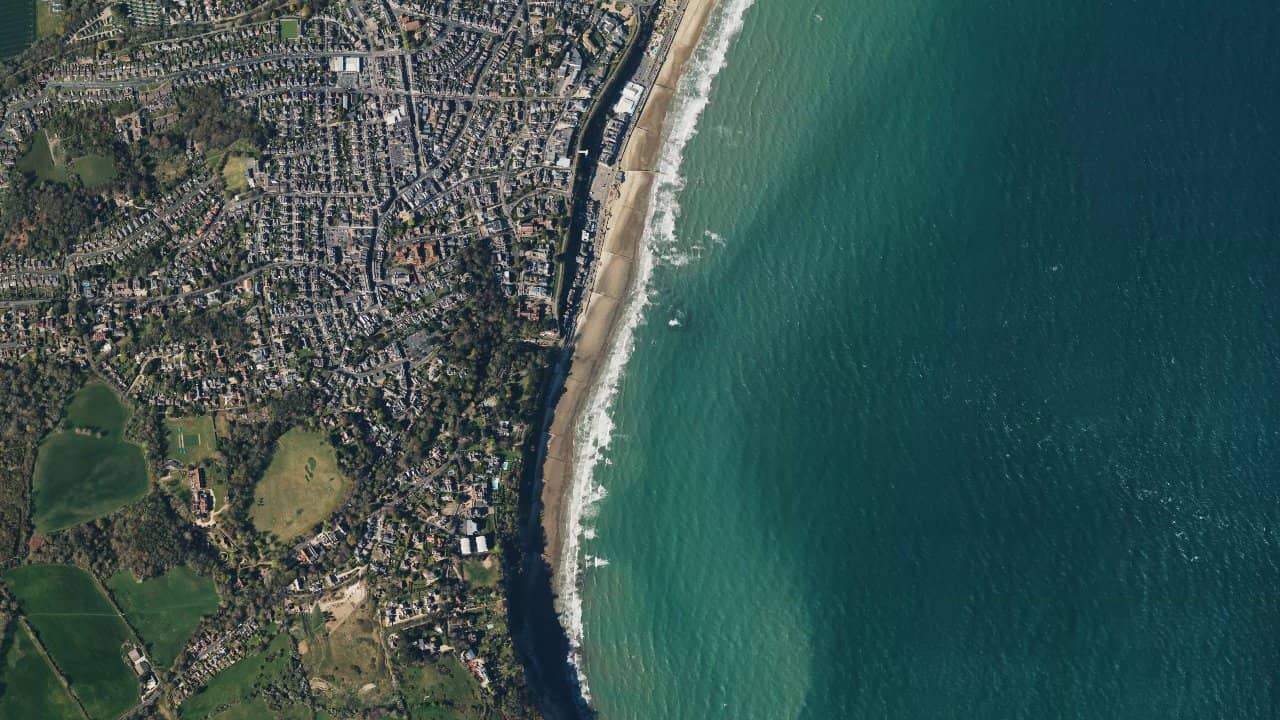
Shanklin, on the southeast coast of the Isle of Wight, is an east-facing sandy beach. It is an easily accessible spot, appreciated for its seaside setting and often workable kitesurfing conditions.

The spot works best when the wind is well established on the eastern side of the island, with enough space at low tide. The atmosphere remains quite local and calm, with practice mainly oriented towards riders who know how to read the tide and choose their navigation window.

Local guides describe it as a seaside beach open to the English Channel, with an interesting profile for navigating in open space when conditions are favorable.

The wind data shown here comes from ERA5 (via Open-Meteo) over 4 years, reprocessed to reflect realistic conditions.
👉 Average wind has been calibrated to avoid the usual underestimation of models.
👉 Gusts have been corrected by a median ratio to avoid unrealistic extreme values.
👉 Each day is summarized by the median wind (P50) observed during useful hours (8am–8pm), then classified into wind ranges.
👉 The weighted mode mixes average wind and gusts to best reflect felt wind.

  • 🟢 10–16 kts: light but sailable wind (especially on foil).
  • 🟡 16–22 kts: ideal range, comfortable conditions for most.
  • 🔴 22–28 kts: strong wind, reserved for experienced riders.
  • 🟣 28+ kts: extreme conditions, committed riding.

Location & Points of interest

Useful information

Water type
Depth
Rideability
High tide
chopchop
Partial
Tech.
Low tide
flatflat
Standable
Yes
Riding conditions

At Shanklin, the most interesting wind is generally side-on or side-shore from east to northeast, as the beach faces east and thus offers an exploitable wind angle. With too much offshore wind, the spot becomes significantly less suitable, as safety and returning to the shore are more delicate. With too much onshore flow, the water surface can become more disturbed and launching more technical.

The best window often occurs around low tide, when the sandy beach is wider and leaves more space for rigging, taking off, and landing the kite. According to spot guides, Shanklin then enjoys a large sandy expanse, which facilitates setup and learning the basics. At high tide, the space decreases significantly and navigation requires more vigilance near the shore.

The water surface is generally cleaner with steady wind and at low tide, with a more flat feeling in the area close to the shore, then a bit more chop as the wind rises or swells enter the bay. Launching is done directly from the beach, on sand, which remains practical as long as the space is not pinched by the tide. One should plan for a wide launch area and keep a margin with other beach users, especially in season.


Ideal wind
Edominant
NEdominant
S
SE

The best sessions occur with a wind from NE to E, steady and around 18 to 25 knots. This orientation generally provides a cleaner angle on the beach and limits the overly disturbing effects of the relief.

A side-on flow is often the most comfortable for safe navigation, with enough pressure to get off the shore without making the return too complex. The most sought-after conditions are those where the wind is stable and the tide still leaves a nice sandy strip.

Sea state

The water surface is most often mixed, with a sandy base and agitation that varies according to wind strength. With established wind, the water surface is rather choppy offshore, while the area near the beach can remain flatter when the tide is low and the wind is steady.

Small waves or swells can appear when the sea gains power, but Shanklin remains primarily a beach spot rather than a wave spot. For navigation, one must accept a livelier water surface than a lagoon, especially when the wind rises above 20 knots.

Sea currents

Currents are generally moderate, but they can strengthen depending on the tide and the navigated area. It is important to pay attention to timing, as the eastern side of the island can present sensitive current variations near the shore and in more exposed areas.

Navigating is easier when the tide is well read before the water, especially if planning a long session or a return close to the shore. At high tide, reading the water surface requires more attention to maintain enough space for takeoff and landing.

Recommended kite size

With the wind given here, the most logical size range is around 7 to 9 m² for most sizes. Heavier riders may sometimes prefer 10 m² if the wind drops during the session, while a lighter rider may go down to 6 or 7 m² when gusts exceed 25 knots.

In practice, a versatile quiver of 7, 8, and 9 m² covers most sustained sessions at this type of spot.

Weather & wind

The useful wind regime at Shanklin is often associated with east to northeast winds, with sometimes strong gusts when depressions cross the south of the UK. The spot benefits from these winds when they arrive cleanly on the eastern coast of the island.

The wind can be quite clean when it is well aligned with the beach, but it becomes trickier if it turns too offshore or if it is very gusty due to the relief and local variations. Given the conditions, we are looking at a wind that is already well established, around 24 knots, which corresponds to a rather energetic session for a medium-sized kite.

Climate

The climate of the Isle of Wight is maritime, with moderate temperatures year-round and rarely extreme variations. The best sensations are often found between spring and late summer, when the air is milder and the water becomes more pleasant.

In winter, sessions are possible but require warm gear, as the wind can be strong and the water remains cold. In summer, temperatures are more comfortable for longer sessions, but beach attendance pressure can increase. Mid-season periods are often the most balanced for combining wind, comfort, and space on the beach.

Depth

The bottom is mainly sandy, with a depth that remains quite gradual near the beach. At low tide, one has more footing and more space to maneuver, which facilitates launching and starting.

At high tide, the depth arrives more quickly and the useful navigation area decreases. The spot remains more comfortable when the tide still leaves width on the foreshore and the sand is well cleared.

Water temperature

The water remains cold in spring and early summer, with a thick wetsuit often necessary. In summer, the temperature becomes more bearable, but protection remains useful for long sessions. In autumn and winter, one must expect significantly cold water and full gear.

On the Isle of Wight, seasonal variations are marked by the maritime character of the area, but the water never really becomes warm in the tropical summer sense. A suitable wetsuit significantly changes comfort on this exposed spot.

Kitesurfers reviews

Chargement des avis...

Leave a review

0/500 characters

Your review will be reviewed before publication.

BookFind a schoolRent gear
View on map

Quick summary

  • 🌍 Country: Royaume-Uni
  • 📍 Area / Region: England
  • 💰 On-site budget: $$
  • 🎓 Minimum level: Intermediate
  • 🌤️ Ideal season: Nov → Mai
  • 🪁 Recommended kite sizes: 6 m² – 10 m²

⚠️ Risks & Safety

  • The main risk is offshore, as it can quickly pull you away from the shore.
  • High tide significantly reduces the available space for rigging and landing the kite.
  • One must watch out for other beach users, especially during the summer season.
Need help?
  • 🛡️ Secure booking
  • 🌬️ Advice based on season and wind
  • 🧭 Partner guides & schools
Contact support →

Nearby spots

View on map

Loading…

← Back to search