Kiteloopers - Kitesurfing spots, trips and destinations worldwideKiteloopers - Kitesurfing spots, destinations and kite trips worldwide
MapDestinationsBlog
Log in

Project

  • About
  • Contact

Legal

  • Terms
  • Privacy
  • Cookies
  • Legal notices
  • Support

Community

  • Spots
  • Blog
  • Schools
  • Instructors
  • Accommodations
  • Trips
  • KiteMarket

Social

  • Instagram
  • Facebook
© 2026 Kiteloopers — All rights reserved
Crosby

Crosby - Crosby Beach

Royaume-Uni

🎓Inter · Adv
🌊Choppy
💨24.5 kt
☀️6.8°C

Crosby

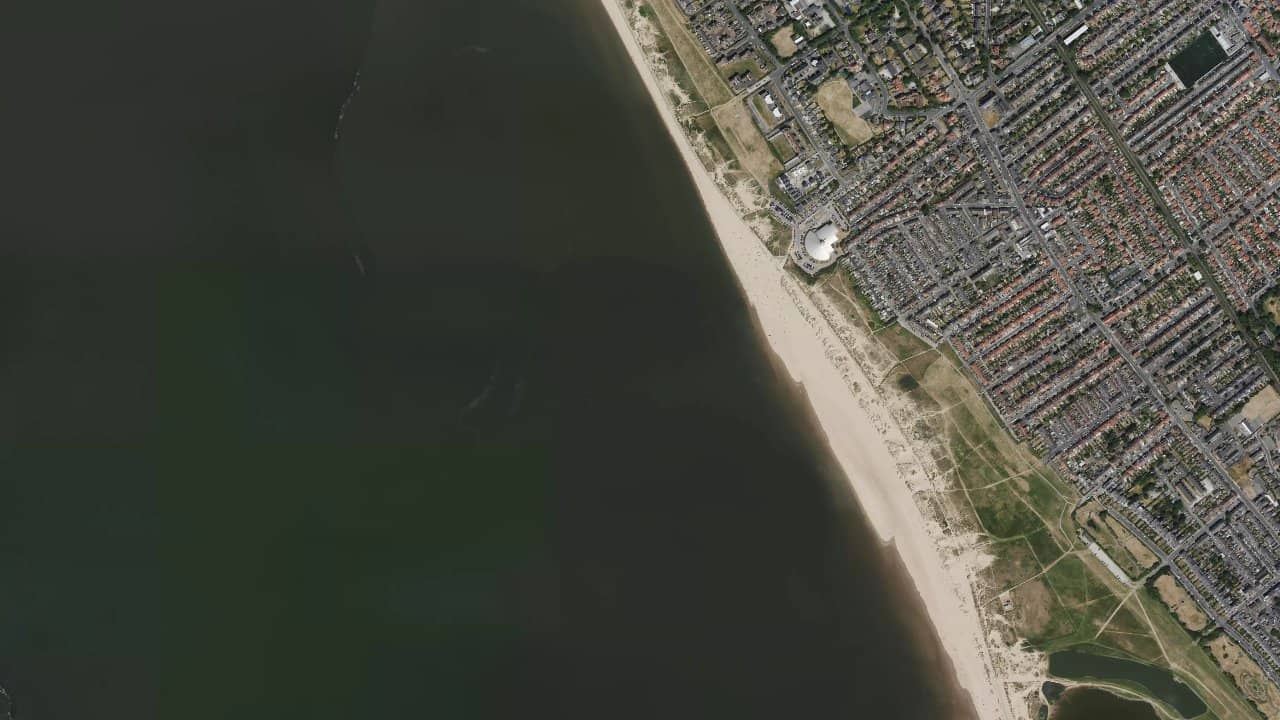
Crosby Beach, in Crosby in the northwest of England, is a large beach known for its easy access and open atmosphere. It is a spot favored by local riders when the wind is right and the beach offers enough space to set up equipment.

The spot remains easy to read for a kitesurfer accustomed to large Atlantic beaches. It is mainly visited to enjoy a vast terrain and a coastal setting that allows for navigation without a crowded atmosphere.

The wind data shown here comes from ERA5 (via Open-Meteo) over 4 years, reprocessed to reflect realistic conditions.
👉 Average wind has been calibrated to avoid the usual underestimation of models.
👉 Gusts have been corrected by a median ratio to avoid unrealistic extreme values.
👉 Each day is summarized by the median wind (P50) observed during useful hours (8am–8pm), then classified into wind ranges.
👉 The weighted mode mixes average wind and gusts to best reflect felt wind.

  • 🟢 10–16 kts: light but sailable wind (especially on foil).
  • 🟡 16–22 kts: ideal range, comfortable conditions for most.
  • 🔴 22–28 kts: strong wind, reserved for experienced riders.
  • 🟣 28+ kts: extreme conditions, committed riding.

Location & Points of interest

Useful information

Water type
Depth
Rideability
High tide
chopchop
Standable
Yes
Low tide
flatflat
Standable
Yes
Riding conditions

The spot mainly works with a wind from the westerly to northwesterly sector, which generally arrives in a side-shore to side-on manner depending on the exact orientation of the flow and the position on the beach. This is the most interesting configuration for maintaining clean navigation, with limited drift and better launch margins. A clearly offshore wind should be avoided, and a full onshore wind makes water entry more delicate for less experienced riders.

At low tide, the beach reveals a very wide sandbank and leaves more space for rigging, launching, and landing the kite. The water remains more accessible near the shore, with a water surface often more comfortable for controlled edges. At high tide, the usable area significantly reduces, the beach can become narrower, and reading the spot requires more attention, especially if the wind is strong.

Navigation generally takes place in an open coastal area, with a possible departure from the beach and a rolling area that heavily depends on the water level. One must maintain a comfortable margin downwind, as the beach is wide but the coastal environment requires careful management of trajectory and return. Intermediate and advanced riders find an interesting spot when the wind is stable, but caution is necessary during gusty periods or when the sea is formed.

Ideal wind
Wdominant
NWdominant
S
SW

The best sessions occur with a W to NW wind, clean and fairly consistent, around 15 to 25 knots depending on the rider's level and the kite size. A side-shore orientation is ideal, as it offers safer and more comfortable navigation on this open beach. The most interesting days are those when the wind remains stable from the shore to the water without large gusts.

Sea state

The water surface is often choppy, with small waves and a sometimes irregular surface due to wind and tide effects. When the sea is calmer, smoother navigation can be found near the shore or in areas sheltered by the beach's relief. However, as soon as the wind picks up, the chop forms quickly and makes the footing more physical.

At high tide and with a well-established wind, the sea can also present small short waves that break on the beach. The spot then leans more towards simple freestyle, quick rides, and edge work rather than true flat navigation.

Sea currents

Currents and tides play a significant role in this coastal area, with a marked influence from the tidal cycle. The current is generally more readable at high or low tide, and one must stay alert to areas where the water starts to flow laterally. Reading the spot becomes easier when one is familiar with the tide schedules and the speed of filling.

The current can be sensitive near the transition zones between low and high water, especially when the beach narrows. Navigation is more comfortable when the tide leaves enough space to depart and return without being trapped by the water.

Recommended kite size

For most riders, kites of 8 to 10 m² will be the most useful at this spot under usual conditions. In stronger winds, a 7 m² may become necessary, while in lighter navigation, an 11 m² can help for heavier riders or more buoyant boards. The final choice will mainly depend on your weight, level, and the wind's consistency.

Weather & wind

The wind regime is dominated by westerly and northwesterly flows, typical of depression passages over the Irish Sea. The spot then has good sessions with wind often well-oriented for navigating along the beach. When the gradients tighten, the wind can become stronger and more consistent, significantly improving the quality of navigation.

The wind can also be gusty during disturbed passages, especially if clouds and rain accompany the front. The best days are those when the flow remains clean, without large variations between the base and the gusts.

Climate

The climate is of a cool oceanic type, with moderate summers and wet, windy winters. The best times for kiting generally fall between January, February, March, and December, when Atlantic depressions more frequently bring usable wind. In summer, the days are often milder, but the wind is on average less consistent.

Thermal protection is necessary for a large part of the year, as the air often remains cool even when the sun is out. Conditions are more comfortable in spring and early autumn, but winter sessions remain common for equipped riders.

Depth

The depth is generally gradual with a sand bottom, making the water entry quite readable when the tide is well chosen. At low tide, one can stand far from the shore over a long distance, which helps for starting and returning. At high tide, the water rises quickly and reduces the available space on the beach.

The sandy bottom is reassuring for learning and safety maneuvers, but one must remain attentive to areas where the tide creates rapid depth variations. The spot is more comfortable when avoiding extreme tide slots.

Water temperature

The water remains cold for a large part of the year, with often low values in winter and only moderately more comfortable in summer. Between the heart of winter and the beginning of spring, one should expect distinctly cool temperatures that require a thick wetsuit. Even in the milder season, the sensation often remains wintry for a rider used to warmer spots.

A 5/4 or a warmer wetsuit is often appropriate outside of mid-summer, with gloves, booties, and a hood depending on individual sensitivity. In summer, the water gains a bit in comfort, but it remains cool enough to require suitable gear.

Kitesurfers reviews

Chargement des avis...

Leave a review

0/500 characters

Your review will be reviewed before publication.

BookFind a schoolRent gear
View on map

Quick summary

  • 🌍 Country: Royaume-Uni
  • 📍 Area / Region: England
  • 💰 On-site budget: $
  • 🎓 Minimum level: Intermediate
  • 🌤️ Ideal season: Déc → Mar
  • 🪁 Recommended kite sizes: 7 m² – 11 m²

⚠️ Risks & Safety

  • Tidal currents can surprise near changes in water level.
  • An offshore wind is dangerous and should be avoided.
  • The beach can become narrower at high tide, reducing the launch area.
Need help?
  • 🛡️ Secure booking
  • 🌬️ Advice based on season and wind
  • 🧭 Partner guides & schools
Contact support →

Nearby spots

View on map

Loading…

← Back to search