Kiteloopers - Kitesurfing spots, trips and destinations worldwideKiteloopers - Kitesurfing spots, destinations and kite trips worldwide
CarteDestinationsBlog
Connexion

Project

  • About
  • Contact

Legal

  • Terms of Service
  • Privacy
  • Cookies
  • Legal mentions
  • Support

Community

  • Spots
  • Blog
  • Schools
  • Instructors
  • Accommodations
  • Trips
  • KiteMarket

Social

  • Instagram
  • Facebook
© 2026 Kiteloopers — All rights reserved
Málaga-Este

Málaga-Este - Playa El Dedo

Espagne

🎓Inter · Conf
🌊Choppy
💨—
☀️—

Málaga-Este

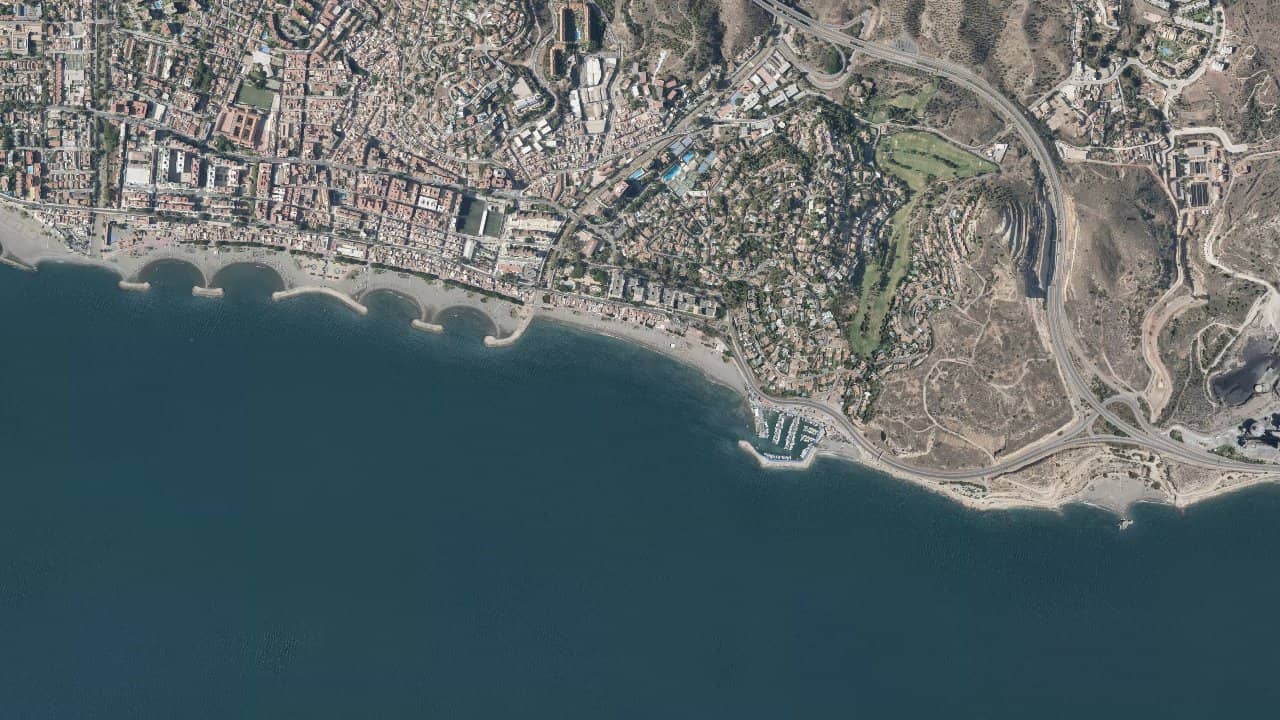
Playa El Dedo, on the coast of Málaga-Este, is an urban beach appreciated for its easy access and regular use by local riders. It is a spot that is easy to read, with a city beach atmosphere and conditions that can change quickly depending on the wind direction.

Sessions are mainly sought when the thermal wind or the flows of levante and poniente set in. The spot is more interesting for practitioners who can handle a busy beach and often choppy water.

Les données de vent affichées ici proviennent d’ERA5 (via Open-Meteo) sur 4 ans, retraitées pour refléter des conditions réalistes.
👉 Le vent moyen a été calibré pour éviter la sous-estimation habituelle des modèles.
👉 Les rafales ont été corrigées par un ratio médian afin d’éviter des valeurs extrêmes irréalistes.
👉 Chaque jour est résumé par le vent médian (P50) observé pendant les heures utiles (8h–20h), puis classé dans des plages de vent.
👉 Le mode pondéré mélange vent moyen et rafales pour refléter au mieux le vent ressenti.

  • 🟢 10–16 nds : vent faible mais navigable (notamment en foil).
  • 🟡 16–22 nds : plage idéale, conditions confortables pour la majorité.
  • 🔴 22–28 nds : vent fort, réservé aux riders expérimentés.
  • 🟣 28+ nds : conditions extrêmes, navigation engagée.

Localisation & Points d'intérêt

Informations utiles

Type d’eau
Profondeur
Navigabilité
Marée haute
chopchop
Pied
Oui
Marée basse
chopchop
Pied
Oui
Conditions de navigation

The spot mainly works with winds from the E, SW, and W sectors, which corresponds to a wind generally side-shore to side-on depending on the beach axis. With an east flow, the water surface is often cleaner offshore but the wind can be more irregular near the shore; with a west or southwest flow, it is easier to get an established wind, but the water surface often becomes more formed and physical. Launching is done from the beach, with little useful space at high tide due to the crowding and urban configuration.

The spot is reported to be navigable at all tides, but the comfort of navigation is better when the beach offers more area for rigging and launching. At low tide, you gain a bit of space and can better organize the takeoff; at high tide, the launch area can become shorter and it is important to manage the kite carefully. The water surface is generally more choppy than flat, with a sea that can rise quickly as the wind picks up.

The spot is mainly suitable for independent riders who know how to manage a sometimes crowded beach space, gusts, and an irregular water surface. Beginners can ride here, but they need to be comfortable with a quick takeoff, controlling the kite in a busy area, and relaunching in moderate shorebreak. The navigation window is more comfortable when the wind is steady and the swell remains low to moderate.


Vent ideal
SWdominant
SE
S

The best sessions occur with a well-established wind from W to SW, or with a regular E when it remains clean and stable. The spot then provides more exploitable navigation, with enough power to ride without straining and a direction generally suited to the beach.

A wind around 18 to 25 knots is often the most interesting to take advantage of the spot, depending on the rider's size and the state of the water surface. Below this, the session may lack hold; above this, the chop becomes harder and the beach requires more experience.

État de la mer

The water surface is most often of the chop type, with a quickly choppy surface as the wind picks up. When a small swell comes in, there can be a more nervous chop near the shore and more formed areas offshore, but the spot is not primarily used as a wave spot.

Depending on the wind regime, a cleaner water surface can be found under moderate levante, but the most common remains a marked sea, typical of an exposed urban beach. Calm phases provide an easier water surface for working the edges, while windy days make navigation more physical.

Courants marins

Currents are generally moderate, but they can strengthen locally depending on the tide and the activity in the bay. It is important to stay alert to variations near the shore, especially when the beach is busy and wind conditions push slightly offshore or along the coast.

The area is reported to be navigable at all tides, which facilitates organizing a session, but the tide mainly changes comfort at takeoff and landing. At high tide, the beach edge can be more constrained; at low tide, there is generally a bit more space to manage equipment and enter the water.

Taille de kite recommandée

For an average size, the most useful kite sizes often range around 8 to 10 m² when the wind is well established. In lighter wind, an 11 m² can be useful, while on more sustained days, a 7 to 8 m² becomes more suitable.

A versatile quiver with 7, 8, 9, 10, and 11 m² covers the variations of the spot well. As the wind can change quickly depending on the local regime, it is better to plan for a slightly smaller kite than on a very laminar spot.

Météo & vent

The spot is often fed by winds from W, SW, and E, with a local logic marked by poniente and levante. The poniente generally brings a cleaner and more exploitable wind from the west to southwest, while the levante can offer good sessions but with sometimes more irregular air near the shore.

Available data also shows very variable winds, with weak phases and others more sustained, confirming a spot dependent on the prevailing regime. With an average wind around 21.7 knots, the beach often falls into a comfortable navigation range for intermediate sizes, but the selection of the kite strongly depends on the exact direction and stability of the flow.

Climat

The climate of Málaga is mild Mediterranean, with hot summers, very mild winters, and plenty of sunny days. In summer, temperatures are often high, making sessions attractive but requiring attention to sun exposure and hydration. In winter, conditions generally remain manageable with cooler temperatures but rarely extreme.

The most interesting period for kitesurfing often falls between September and February, when winds are more frequent and the flows from the west or east sectors can express themselves better. Spring and early summer can also offer good sessions, but with more variable reliability depending on weather patterns. The choice of wetsuit depends a lot on the season, but the water remains generally milder than on many Atlantic coasts.

Profondeur

The depth is generally gradual and the bottom is reported to be sandy. You can stand for quite a while near the shore, which facilitates getting in the water and the first few meters, although the area can become more turbulent when the wind or swell rises.

The spot remains relatively easy to read for cross-to-cross navigation, but it is important to monitor the depth variation related to the tide and the beach morphology. The depth is generally adequate for beach practice, with no major hazards reported in the consulted sources.

Température de l’eau

The water is most pleasant from June to October, with temperatures often comfortable for kitesurfing without too much thickness. In mid-summer, the water remains warm, allowing for lighter sessions in a wetsuit.

From November to May, the water becomes cooler and a warmer wetsuit is often necessary. However, winter remains relatively mild for Andalusia, allowing for regular practice for a large part of the year.

Avis des kitesurfers

Chargement des avis...

Laisser un avis

0/500 caractères

Votre avis sera modéré avant publication

RéserverTrouver une écoleLouer du matériel
Voir sur la carte

Résumé rapide

  • 🌍 Pays : Espagne
  • 📍 Zone / Région : Andalusia
  • 💰 Budget sur place : $$
  • 🎓 Niveau minimum : Intermédiaire
  • 🌤️ Saison idéale : —
  • 🪁 Tailles de kite reco. : 7 m² – 11 m²

⚠️ Risques & Sécurité

  • The beach can be busy, so it is important to launch and land the kite with great caution.
  • The wind can become gusty, especially when the flow passes through urban areas or takes a southwest direction.
  • The shoreline can be choppy, with takeoff and return needing to be managed properly to avoid incidents.
Besoin d’aide ?
  • 🛡️ Réservation sécurisée
  • 🌬️ Conseils selon la saison et le vent
  • 🧭 Guides & écoles partenaires
Contacter le support →

Spots à proximité

Voir sur la carte →

Chargement des spots proches...

← Retour à la recherche