Kiteloopers - Kitesurfing spots, trips and destinations worldwideKiteloopers - Kitesurfing spots, destinations and kite trips worldwide
CarteDestinationsBlog
Connexion

Project

  • About
  • Contact

Legal

  • Terms of Service
  • Privacy
  • Cookies
  • Legal mentions
  • Support

Community

  • Spots
  • Blog
  • Schools
  • Instructors
  • Accommodations
  • Trips
  • KiteMarket

Social

  • Instagram
  • Facebook
© 2026 Kiteloopers — All rights reserved
L'Estartit

L'Estartit - Platja

Spain

🎓Inter · Conf
🌊Choppy
💨22.5 nd
☀️16.8°C

L'Estartit

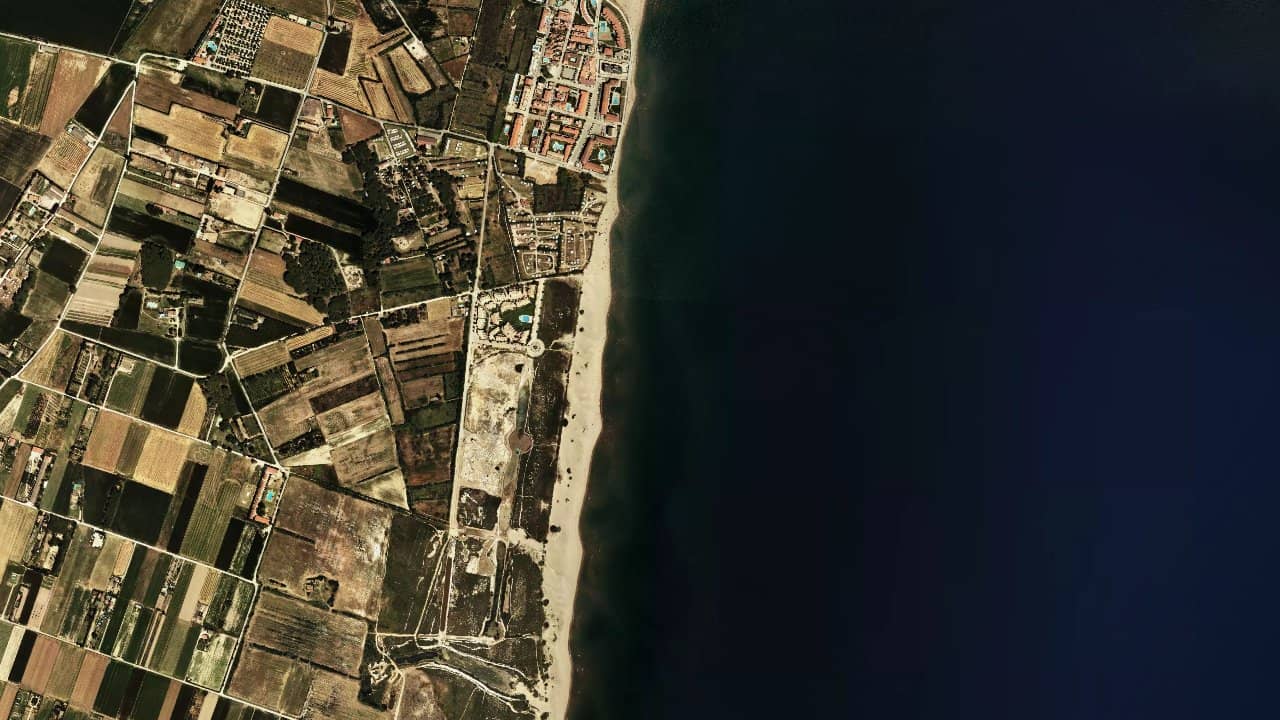
The beach of Platja de L'Estartit stretches in front of the Medes Islands, with a large strip of golden sand and an unobstructed view of the bay. The atmosphere is beachy, between the village, the port, and a quieter beach area as you move south.

This spot is frequented by water sports enthusiasts from the Costa Brava, with ample space to prepare equipment away from the monitored swimming areas. The proximity to the port and the schools of sliding makes access to the water easy, and beginners find a reassuring environment here.

Les données de vent affichées ici proviennent d’ERA5 (via Open-Meteo) sur 4 ans, retraitées pour refléter des conditions réalistes.
👉 Le vent moyen a été calibré pour éviter la sous-estimation habituelle des modèles.
👉 Les rafales ont été corrigées par un ratio médian afin d’éviter des valeurs extrêmes irréalistes.
👉 Chaque jour est résumé par le vent médian (P50) observé pendant les heures utiles (8h–20h), puis classé dans des plages de vent.
👉 Le mode pondéré mélange vent moyen et rafales pour refléter au mieux le vent ressenti.

  • 🟢 10–16 nds : vent faible mais navigable (notamment en foil).
  • 🟡 16–22 nds : plage idéale, conditions confortables pour la majorité.
  • 🔴 22–28 nds : vent fort, réservé aux riders expérimentés.
  • 🟣 28+ nds : conditions extrêmes, navigation engagée.

Localisation & Points d'intérêt

Informations utiles

Type d’eau
Profondeur
Navigabilité
Marée haute
chopchop
Pied
Oui
Marée basse
chopchop
Pied
Oui
Conditions de navigation

The beach is generally oriented north-south, with the open sea to the east facing the Medes Islands. A wind coming from the west or southwest is therefore side-shore to side-off relative to the beach, which requires good control and supervision for the less experienced. Winds from the east or northeast sector are rather onshore to side-on and make navigation safer as you naturally return to the beach.

The water surface is generally choppy with a small chop formed by the wind and local swell. In sustained north or northeast winds, a short swell can rise in the bay's axis, with small waves breaking at the shore, especially near the port and the central sandbank. Offshore, the swell remains reasonable, allowing for comfortable navigation in freeride or bump & jump.

Launching is done directly from the sandy beach, on a relatively clear run. It is preferable to set up away from the port and the marked swimming areas in summer, choosing a section of beach further south where nautical traffic is lower. Takeoff and landing are done without particular difficulty thanks to the width of the beach, but it is important to keep a good distance from walkers and umbrellas in season.

Main navigation occurs in the bay's axis, making runs parallel to the beach between the exit of the port of L'Estartit and the wilder part to the south. The Medes Islands are offshore and serve as a visual landmark, but the area around the islands is protected and frequented by diving boats, so it is better to stay within the navigation corridors. In winter and mid-season, when the beach is quieter, there is much more space to maneuver and make runs.

Locally, it is important to consider the boat traffic related to the port, the marked channels for watercraft, and the buoys delimiting the swimming area in summer. Intermediate and advanced riders will fully enjoy the spot with established wind, while beginners should get closer to a local school for managing side-off winds and cohabitation with other users.

Vent ideal
Wdominant
NWdominant

Ideal conditions for this spot generally occur with an established wind of 15 to 25 knots. A flow from NW to W will offer a playful water surface in chop for experienced riders, while a wind from NE to E will provide more onshore to side-on wind, which is safer for intermediate levels. The best sessions often occur outside the hottest hours of summer, when the wind is more consistent and less disturbed by local thermal effects.

État de la mer

The water surface is mostly in chop, with short chop generated by local wind. In sustained north or northeast winds, small waves can form, especially in the middle of the bay, providing playful conditions for jumping and light wave surfing. When the wind is lighter or oriented southeast, the sea remains more organized, with moderate chop that facilitates learning and freeride navigation.

Near the shore, a small shorebreak area can form, especially when the swell is more present, but it generally remains manageable for intermediate riders. Offshore, the swell becomes more regular, but wave heights generally remain reasonable for kitesurfing, except in cases of marked strong winds. The sandy bottom contributes to a relatively gentle breaking compared to a rocky spot.

Courants marins

Currents are generally weak near the beach, especially in moderate wind conditions. They are mainly related to swell and coastal drift movements along the coast. In case of strong winds or marked swell, a current parallel to the beach can set in and push south or north depending on the direction of the sea.

There is also a bit more water movement near the port entrance and channels, where the repeated passage of boats can create chop and eddies. Tides are semi-diurnal with a low amplitude in the Mediterranean, so the effect of the tide on water height is limited, but it can slightly modify the breaking wave zone at the shore.

Taille de kite recommandée

For a rider of average size around 75–80 kg, the most commonly used kite sizes at this spot range between 8 m² and 11 m² when the wind blows between 18 and 25 knots. In case of stronger northwest wind gusts, it is common to go down to sizes around 7–8 m². On lighter thermal days in summer, a kite of 11–13 m² may be necessary to enjoy the 12–16 knots of wind.

Météo & vent

The wind regime on the Costa Brava is marked by winds from the northwest to north, sometimes very strong, related to depressions over the Gulf of Lion. This tramontane or northwest flow can bring sustained winds, often exceeding 25 knots, with a clear sky and a relatively short sea. A thermal from the southeast or east is also regularly found in summer, more moderate, which sets in during the afternoon with winds around 12–20 knots.

At this spot, the most interesting wind directions for kiting are W to NW for those with a good level who manage the side-off, and E to NE for more comfortable navigation with onshore or side-on wind. The wind can be irregular near the shore depending on relief effects and the presence of the port, but it becomes cleaner as you move offshore.

Climat

The climate in L'Estartit is of the mediterranean type, with hot, dry summers and mild winters. In summer, air temperatures generally hover around 26–30 °C during the day, with very little rain. Spring and autumn are more temperate, with values often between 15 and 22 °C, ideal for sailing without too much heat. In winter, temperatures drop to around 10–15 °C, but remain navigable for those who are well-equipped.

The sailing season extends throughout the year, but comfort is maximized from late spring to early autumn, when the air and water are the mildest. Days are often sunny, making sessions enjoyable even when the wind comes from the north and is a bit cooler.

Profondeur

The depth increases gradually with a sandy bottom in front of the beach of L'Estartit. You can generally stand for several dozen meters, which secures the waterstart phase and the first runs for progressing riders. Further offshore, the depth quickly becomes significant, but the bottom remains homogeneous and without major obstacles identified near the usual navigation area.

Température de l’eau

In summer, the water temperature hovers around 22–24 °C, allowing for sailing in a shorty or even in lycra for the less cold-sensitive. In spring and autumn, the water is cooler, generally between 16 and 20 °C, and a full wetsuit of 3/2 or 4/3 mm is recommended. In winter, the sea can drop to 13–15 °C, which requires a thicker wetsuit, like 4/3 or 5/4 mm, possibly with booties depending on individual sensitivity.

Avis des kitesurfers

Chargement des avis...

Laisser un avis

0/500 caractères

Votre avis sera modéré avant publication

RéserverTrouver une écoleLouer du matériel
Voir sur la carte

Résumé rapide

  • 🌍 Pays : Spain
  • 📍 Zone / Région : Catalogne
  • 💰 Budget sur place : $$
  • 🎓 Niveau minimum : Intermédiaire
  • 🌤️ Saison idéale : Jan → Déc
  • 🪁 Tailles de kite reco. : 7 m² – 11 m²

⚠️ Risques & Sécurité

  • The wind from the west to northwest sector is side-off relative to the beach and can quickly push you offshore if you lose your board or have a problem with your kite.

  • The proximity of the port and navigation channels requires keeping well away from boats entering and exiting, especially in high season.

  • In summer, the marked swimming area can be very crowded and must absolutely be avoided for takeoff, landing, and navigation.

Besoin d’aide ?
  • 🛡️ Réservation sécurisée
  • 🌬️ Conseils selon la saison et le vent
  • 🧭 Guides & écoles partenaires
Contacter le support →

Spots à proximité

Voir sur la carte →

Chargement des spots proches...

← Retour à la recherche