Kiteloopers - Kitesurfing spots, trips and destinations worldwideKiteloopers - Kitesurfing spots, destinations and kite trips worldwide
CarteDestinationsBlog
Connexion

Project

  • About
  • Contact

Legal

  • Terms of Service
  • Privacy
  • Cookies
  • Legal mentions
  • Support

Community

  • Spots
  • Blog
  • Schools
  • Instructors
  • Accommodations
  • Trips
  • KiteMarket

Social

  • Instagram
  • Facebook
© 2026 Kiteloopers — All rights reserved
Ibiza

Ibiza - Platja des Cavallet

Espagne

🎓Inter · Conf
🌊Choppy
💨24.5 nd
☀️14.0°C

Ibiza

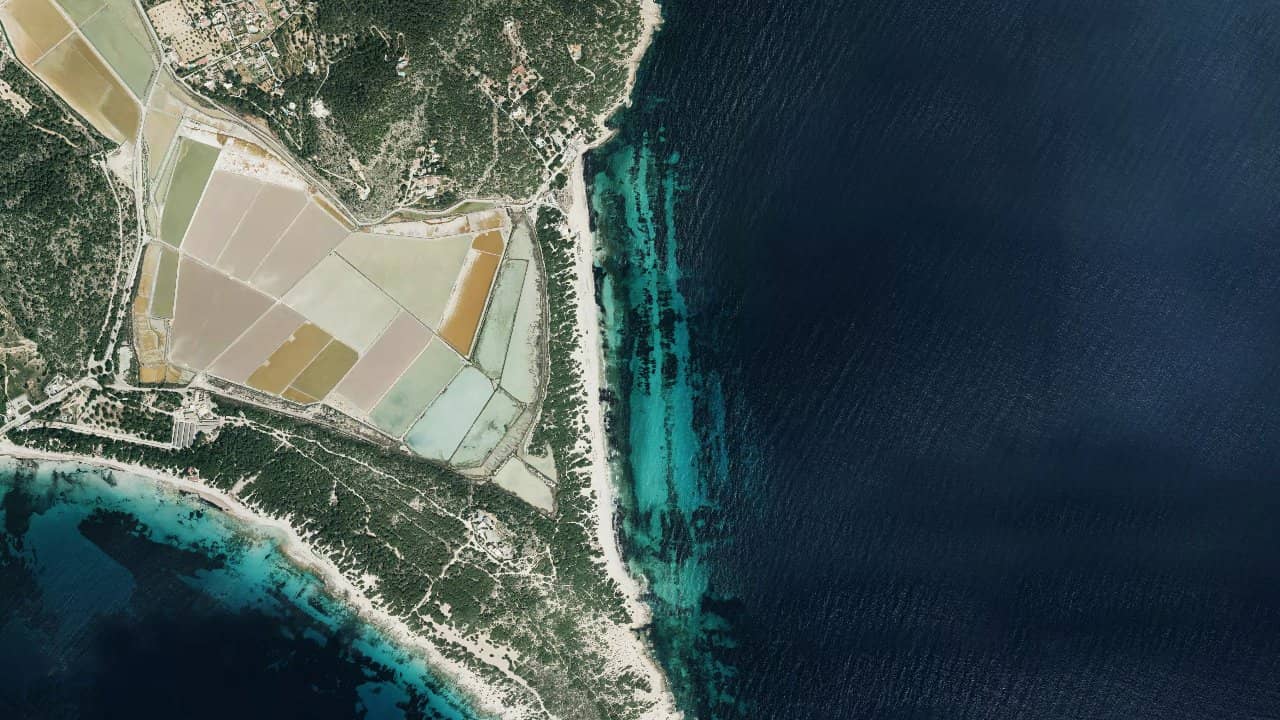
Platja des Cavallet, in the natural park of Ses Salines in Ibiza, is a long beach of light sand known for its free atmosphere and easy access from the south of the island. It is a spot favored by local riders for its wind exposure and large launch area.

In kitesurfing, the site works best when the wind comes in well from the east or southeast. The beach is open, with few obstacles, and you can enjoy a preserved natural setting, with dunes and mostly sandy bottom.

The spot attracts both intermediate practitioners and more experienced riders, as the water can quickly become choppy as the wind picks up and the sea takes on some relief.

Les données de vent affichées ici proviennent d’ERA5 (via Open-Meteo) sur 4 ans, retraitées pour refléter des conditions réalistes.
👉 Le vent moyen a été calibré pour éviter la sous-estimation habituelle des modèles.
👉 Les rafales ont été corrigées par un ratio médian afin d’éviter des valeurs extrêmes irréalistes.
👉 Chaque jour est résumé par le vent médian (P50) observé pendant les heures utiles (8h–20h), puis classé dans des plages de vent.
👉 Le mode pondéré mélange vent moyen et rafales pour refléter au mieux le vent ressenti.

  • 🟢 10–16 nds : vent faible mais navigable (notamment en foil).
  • 🟡 16–22 nds : plage idéale, conditions confortables pour la majorité.
  • 🔴 22–28 nds : vent fort, réservé aux riders expérimentés.
  • 🟣 28+ nds : conditions extrêmes, navigation engagée.

Localisation & Points d'intérêt

Informations utiles

Type d’eau
Profondeur
Navigabilité
Marée haute
chopchop
Pied
Oui
Marée basse
flatflat
Pied
Oui
Conditions de navigation

Platja des Cavallet is a long and open beach, with a clear shoreline that facilitates takeoff and landing when the wind is well established. Local sources describe a spot regularly used for kite surfing on windier days, with a navigation area that is better suited to a side-shore to side-on wind than a full onshore wind. With the indicated direction for research, the wind most often comes in a usable way from the sea, but it is always necessary to check on-site the actual angle relative to the beach, as the orientation varies depending on the strength and shift of the flow.

The water is generally cleaner at the shore when the sea is calm, then it quickly takes on chop and small waves as the wind strengthens. The beach is long, which allows space to move away from swimming areas and organize a clean launch. Takeoff is done on sand, with often adequate space near the shore, but the presence of swimmers, walkers, and protected areas requires careful management of the kite.

The spot works best when the swell remains moderate. The bottom is mostly sandy, with some rocky areas indicated by local guides, so it is better to keep some attention in passages outside the main area. In high season, access and parking can complicate logistics, often pushing riders to come early to enjoy a cleaner spot and still consistent wind.


Vent ideal
Edominant
SEdominant
NE

The best sessions occur with a well-established wind from E to SE, around 20 to 25 knots, when the beach remains clear and the sea is not too big. In these conditions, the planning start is simple and the spot offers smooth navigation over a long stretch of sand. A slightly more side-shore wind is often the most comfortable for securing the launch and return to the shore.

État de la mer

The water is often flatter near the shore when the sea is calm, then it quickly becomes choppy as the wind picks up. Sources also describe rolling waves on more exposed days, which gives a more physical ride than on a lagoon. This is not a pure flat spot, but rather an open beach where the state of the water depends a lot on the wind strength and the sea's movement.

When the wind is well-oriented and consistent, you can find very decent sections for sending quick edges. When the swell comes in more, the water becomes messier, with small breaking waves and choppy conditions in the main navigation area.

Courants marins

Currents are generally weak to moderate, but they can strengthen near more exposed passages and when the sea is more stirred up. The beach being open and close to a natural area, one must remain attentive to drift if the wind drops or if navigation is far from the shore. The tide has a limited impact compared to the Atlantic, but it can slightly modify the starting area and the usable width of the beach.

The spot remains mostly navigable when you keep some margin to return to the shore without getting too close to swimming areas. Riders should monitor the local return current and possible lateral drift on crosswind days. In case of a choppy sea, it is better to anticipate the edges and not to navigate too far downwind.

Taille de kite recommandée

With the wind forecast around 22.9 knots, the suitable range is often between 7 m² and 9 m² for most sizes. Lighter riders can stick to 7 m² or 8 m², while heavier sizes or beginners with beach kites may prefer 9 m². Below this wind level, a 10 m² can help on lighter days, but the spot really comes alive when the kite goes below 9 m².

Météo & vent

The local wind regime is dominated by episodes from east to southeast, with possible reinforcements on days of more active weather circulation over the Balearics. For kitesurfing sessions, the most interesting directions are generally E, SE, and sometimes NE, as they offer a cleaner angle on this open beach. When the wind comes in well, it can become quite consistent and sufficient for comfortable navigation over a long edge.

On the windiest days, the spot quickly takes on character, with a flow that can go from decent to well-established in a short time. Local sources confirm that it is a well-known place for kite surfing when the wind is present. The best compromise is generally found when the wind is stable enough to ensure a quick planning start without making the water too choppy.

Climat

Ibiza has a Mediterranean climate with hot and dry summers and mild winters. From June to September, temperatures are often high and the heat is quickly felt on the sand, especially in the middle of the day. In winter, sessions remain possible with a cooler atmosphere, but the spot retains real interest thanks to well-placed wind gusts.

The best months for wind are December, January, and March, which corresponds to the period when the winds are often stronger and more consistent. In summer, the weather is more stable, but wind windows can be shorter and more irregular depending on the days. The water remains pleasant for a large part of the year, making the spot usable for a fairly long season.

Profondeur

The depth is gradual and the bottom is mostly sandy, with some rocky areas indicated by local guides. You can stand near the shore in part of the area, but the slope can become steeper as you move away from the beach. The sandy bottom remains a good point for takeoff, even if riders should keep an eye on the areas where rocks are exposed.

Température de l’eau

The water is generally warmest in August and September, with values often around 24 to 26 °C. In spring, it gradually rises but remains cooler, often between 17 and 21 °C depending on the period. In winter, you can expect cooler water, generally around 14 to 16 °C, which makes a full wetsuit useful for long sessions.

Avis des kitesurfers

Chargement des avis...

Laisser un avis

0/500 caractères

Votre avis sera modéré avant publication

RéserverTrouver une écoleLouer du matériel
Voir sur la carte

Résumé rapide

  • 🌍 Pays : Espagne
  • 📍 Zone / Région : Balearic Islands
  • 💰 Budget sur place : $$
  • 🎓 Niveau minimum : Intermédiaire
  • 🌤️ Saison idéale : Déc → Jan
  • 🪁 Tailles de kite reco. : 7 m² – 9 m²

⚠️ Risques & Sécurité

  • The rocky bottom in places requires attention outside the main sandy area.

  • The presence of swimmers in high season requires launching and navigating with caution.

  • The wind can become irregular depending on the weather, so it is important to monitor drift and return to the shore.

Besoin d’aide ?
  • 🛡️ Réservation sécurisée
  • 🌬️ Conseils selon la saison et le vent
  • 🧭 Guides & écoles partenaires
Contacter le support →

Spots à proximité

Voir sur la carte →

Chargement des spots proches...

← Retour à la recherche