Corralejo Playa Waikiki
Spain · Îles Canaries
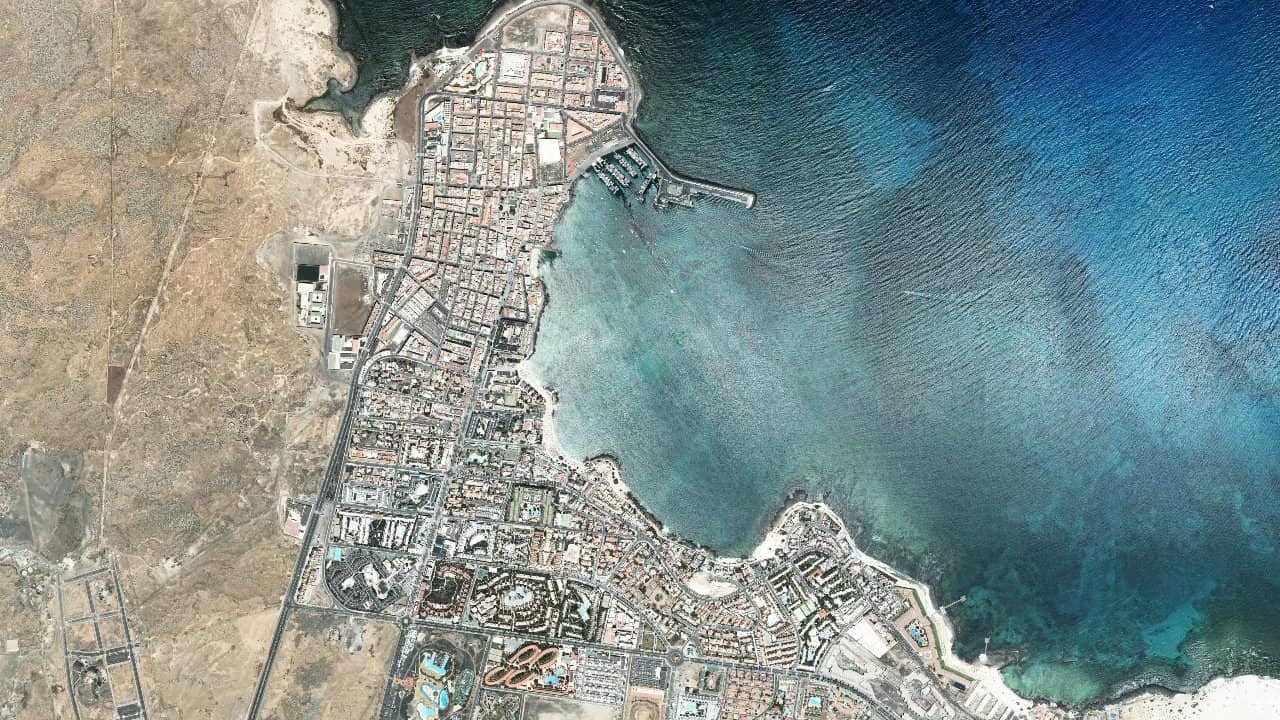
Waikiki Beach in Corralejo, in the north of Fuerteventura, is a lively beach located in the bay just south of the port. It features the famous Waikiki Beach Club which gives its name to the spot, with a friendly atmosphere popular among locals and visiting kiters. It's a convenient place for a quick session after a stroll in town.
Surrounded by the Corralejo Dunes Natural Park, this fine sandy beach offers turquoise waters ideal for kitesurfing. It is one of the popular spots in the north of the island, close to Flag Beach, and attracts a varied crowd due to its easy access from the center of Corralejo.
The spot is known for its consistent wind in season and its pleasant setting with ocean views, perfect for combining riding and relaxing at the beach club.
Historical averages by month — not a live forecast.
The dominant wind comes from the north to northwest (N-NE), often side-on or side-off relative to the east-facing beach, making the launch smooth and navigation stable. The launch area is directly on the wide beach in front of the Waikiki Beach Club, with ample space to inflate the kite without disturbing bathers. The navigation area extends offshore in the bay of Corralejo, with an inside flat to light chop ideal for tricks and jumps, but be cautious of rougher areas near the port to the south.
With high tide, the water surface is wider and you can stand for a long time thanks to the shallow waters typical of the region, perfect for waterstarts and jibes. At low tide, the beach widens but rocks appear, making launching more technical – prefer the high tide. The best sessions are in the afternoon when the thermal wind strengthens the trade wind, with moderate gusts due to the proximity of the dunes.
The spot is crowded in high season, especially with nearby schools like at Flag Beach, so respect dedicated areas and local rules to avoid collisions. For rides, stay in line with the beach to enjoy the best side-shore and moderate waves if the swell rises.
Sources :endorfina.club · buscokite.com · se.kiteforum.com · elblog.bintercanarias.com · wingfuerteventura.com


 Open Windguru forecast