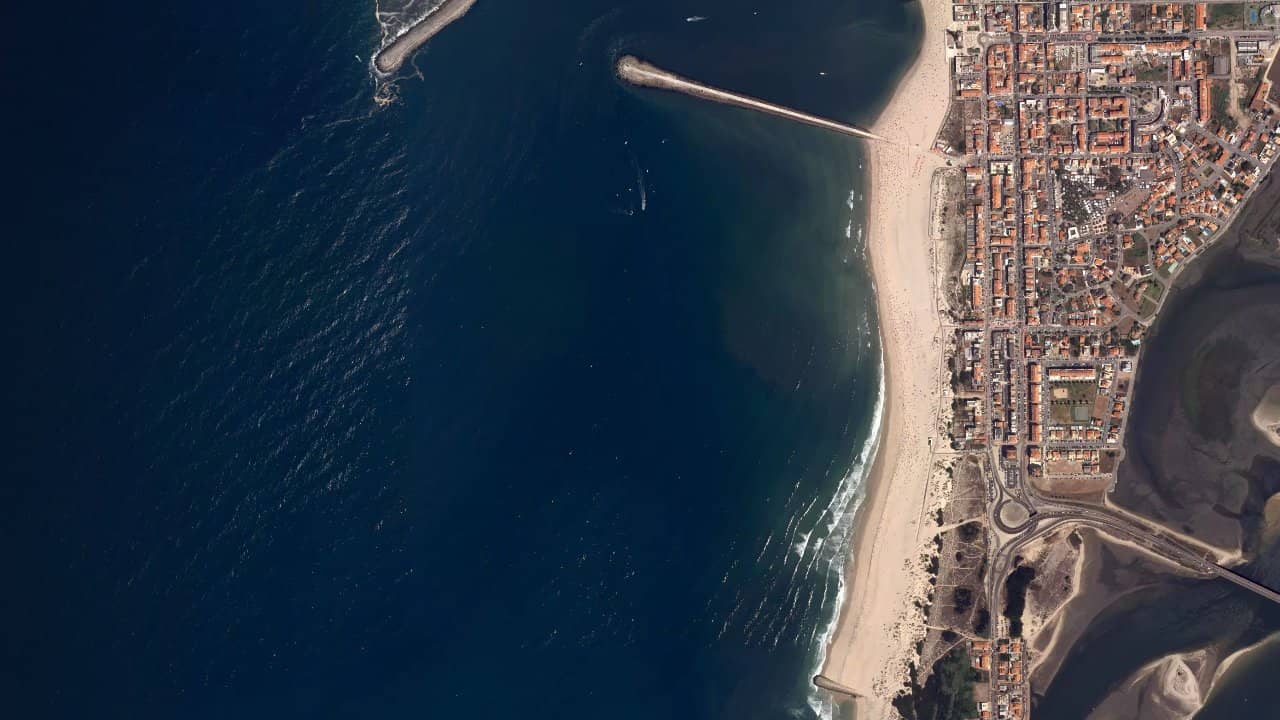
Praia da Barra
Portugal · Aveiro
Praia da Barra, at the mouth of the Ria de Aveiro, is a large urban beach bordered by a long sandbar and an iconic lighthouse. It is easily accessible from Gafanha da Nazaré, with the road running along the channel and leading directly to the ocean.
It is a spot mainly frequented for surfing, but it becomes a very good kitesurfing spot when the wind picks up. There is a relaxed atmosphere, with surf and kite schools, a few cafes along the promenade, and enough space on the beach to rig quietly, especially outside the high summer season.
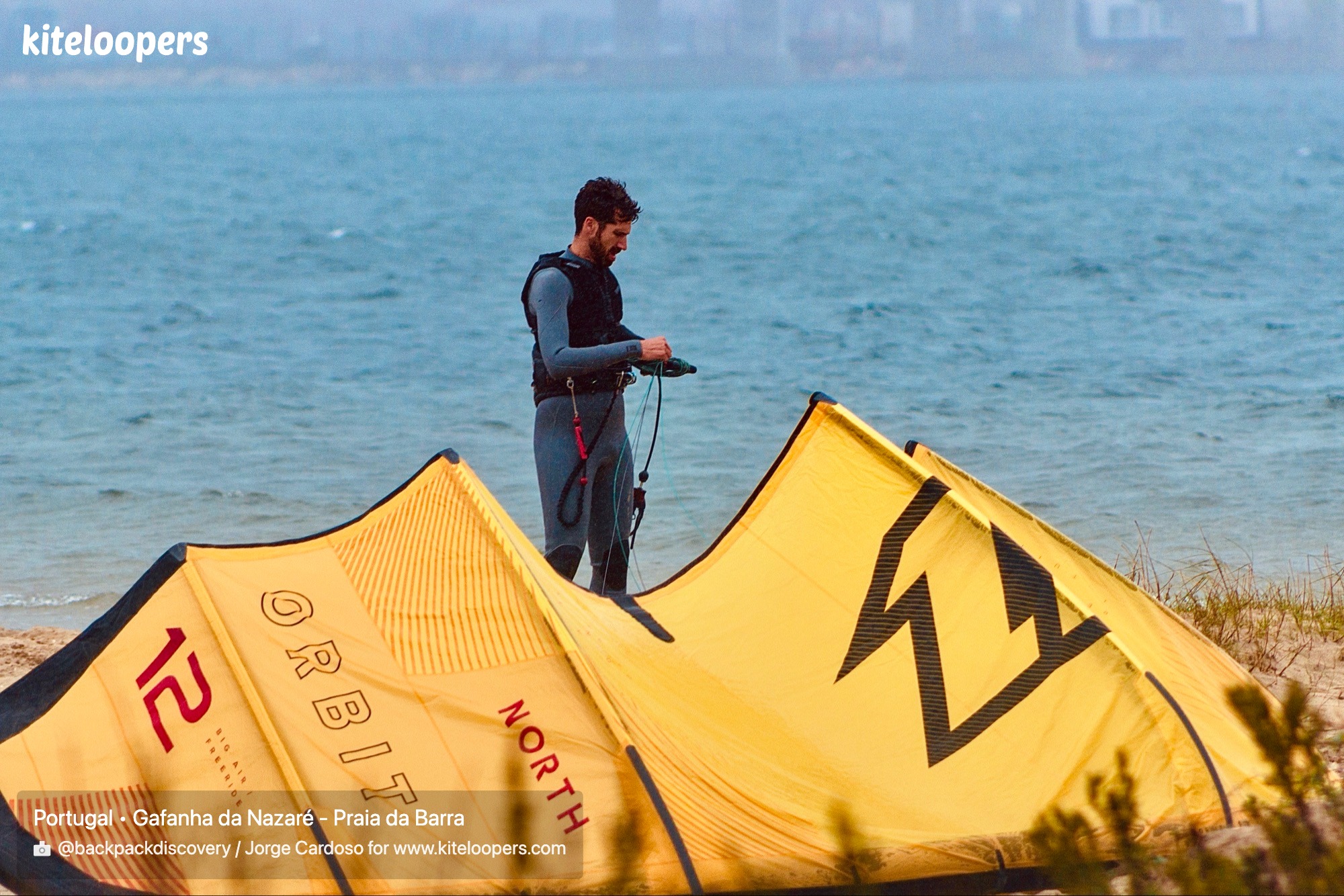
Praia da Barra is exposed directly west to the Atlantic, with the access channel to the port of Aveiro to the north and the long beach stretching towards Costa Nova to the south. For kitesurfing, the most comfortable wind orientations are side-shore and side-on winds from NW to N, which come in slightly cross from the right, and W winds that come more onshore but remain navigable with a good shorebreak. Winds from the E, NE, or SE sectors are offshore here and not suitable for navigation without a safety boat, even though they are 'perfect' winds for surfing.
The water surface is typically wave-formed, with a fairly consistent beachbreak. The size of the waves varies greatly depending on the swell: you can find relatively clean sessions around 1–1.5 m, but also very solid days with more than 2 m where the spot becomes reserved for experienced riders. At mid-tide to high tide, the waves have more power and the shorebreak can be quite physical, especially with large swell from W/SW. At low tide, the sandbank reveals more, the waves break a bit further out, and the impact zone is wider, which can simplify or complicate the launch depending on the level.
The most common area to launch is located south of the channel, in front of the main beach, while keeping a good distance from the jetties and the rocks of the north mole. Rigging usually takes place on dry sand at the top of the beach, where there is plenty of space when the tide is low or medium. It is advisable to avoid launching too close to the navigation channel, where the current is stronger and boat traffic is frequent. The further you go towards Costa Nova, the more space you find to navigate with fewer people in the water.
The water surface is choppy offshore, with crossed chop in strong winds, and well-defined wave sets in the shorebreak area. It is an interesting spot for wave riding and strapless, with sometimes gentler sections near the beach and longer waves a few hundred meters offshore depending on the swell. However, it is not a classic freestyle wakestyle or flat spot; these practices are more suited to the lagoon of the Ria de Aveiro inland, which offers flat or semi-flat water depending on the tides.
On summer thermal days, the wind tends to come in cleaner in the afternoon, often stronger than the raw forecasts, with values around 18–25 knots being quite common. The rest of the year, Atlantic depressions bring often more irregular winds, sometimes very strong and accompanied by significant swell, more challenging conditions. Coexisting with surfers should be managed with respect, especially near the lighthouse and the main peaks: it is better to shift slightly south to navigate peacefully and maintain a good safety margin.
Sources :buscokite.com · surfline.com · pt.surf-forecast.com · windguru.cz · pt.windfinder.com · surfsphere.com · en.myway-kitesurf.com
