Netherlands
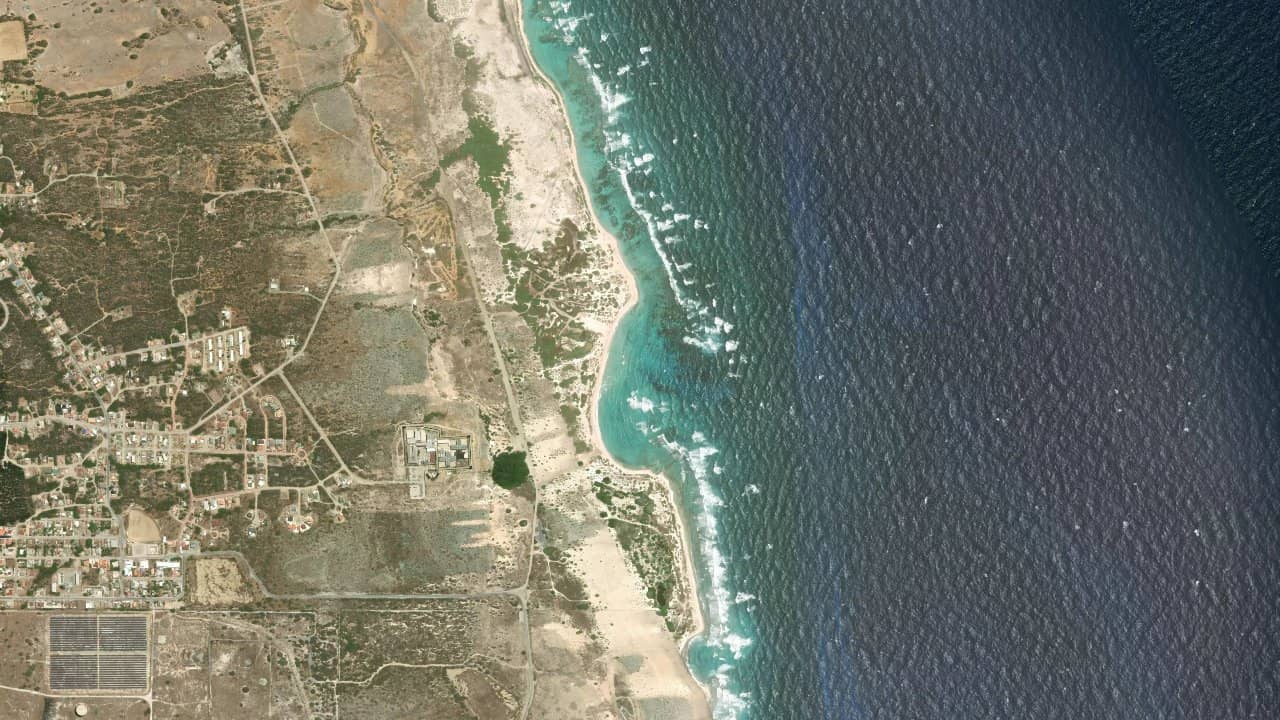
Boca Grandi, in the southeast of Aruba, is a spot known for its wild atmosphere and clear focus on kitesurfing. The beach is wide, the setting is open, and you often find well-exposed water with a lively water surface.
It is a spot appreciated by intermediate to advanced riders, especially when the wind settles in the right directions. The place remains underdeveloped, with few infrastructures, giving it a raw side that is highly appreciated by locals and riders looking for space on the water.
The wind data shown here comes from ERA5 (via Open-Meteo) over 4 years, reprocessed to reflect realistic conditions.
👉 Average wind has been calibrated to avoid the usual underestimation of models.
👉 Gusts have been corrected by a median ratio to avoid unrealistic extreme values.
👉 Each day is summarized by the median wind (P50) observed during useful hours (8am–8pm), then classified into wind ranges.
👉 The weighted mode mixes average wind and gusts to best reflect felt wind.
The spot mainly works with wind coming from the East to Northeast, and local sources also confirm good sessions in Southeast. Depending on the angle, you navigate in side-on to onshore, with a feeling of wind often well present and consistent on this coast exposed to the trade winds.
The water surface is generally of the chop type with small to medium waves offshore, and it can become cleaner in certain areas depending on the swell and water level. The most used area for launching is located on the part of the beach most protected from the shorebreak, where departures and returns are easier. Navigation mainly occurs in the bay and in the open area facing the spot, with space to send without being too tight.
The spot does not have significant infrastructures on the beach, so you need to be self-sufficient for rigging, launching, and recovery. The shorebreak can be present and sometimes strong, which requires attention during launch. However, the playground is wide and the wind is often exploitable for a large part of the day.

The best sessions occur with wind from NE, E, or SE, well established and sufficiently consistent to cross the bay effortlessly. It is in these orientations that the spot offers the best compromise between power, space, and comfort of navigation.
To fully enjoy Boca Grandi, you need wind around 18 to 25 knots, with good consistency and few lulls. Locals confirm that the spot works particularly well when the trade wind is well in place.
The water surface is typically a mix of chop and small waves, with sometimes a bit more size offshore. It is not a pure flat spot, although some areas can offer smoother sections depending on the wind angle and swell.
The conditions remain very pleasant for freeride and strapless, with enough space to navigate comfortably. The sea can become more choppy when the wind picks up, which enhances the sporty character of the spot.
Currents are generally moderate, but one must remain vigilant in exposed areas offshore and near the shore, especially when the wind pushes strongly towards the coast. Returning to the starting point is easy if you keep some margin downwind.
The tide mainly affects the comfort of launching and reading the shorebreak. At high tide, the launch area can be trickier, while at low tide, you often gain a bit of comfort to cross the break at the shore.
In standard navigation, the most useful sizes are often between 7 m² and 10 m², with frequent use of 8 m² and 9 m². When the wind drops a bit, a 10 m² can become interesting for heavier riders.
Lighter riders can often go out on 7 m² or even 6 m² on the windiest days, while heavier riders will prefer to keep a kite of 9 to 11 m² to secure more moderate sessions.
The local wind regime is that of the trade winds, with wind often oriented NE, E, or SE at Boca Grandi. Returns agree on a very exposed spot, with wind that can quickly become well established during the day.
The average strength often hovers around 20 to 25 knots, with more muscular days not being rare. The wind is generally clean enough to exploit the spot, although the angle can vary between side-on and onshore depending on the exact direction.
Aruba enjoys a warm and dry climate year-round, with air temperatures generally around 27 to 30°C. The trade winds blow frequently, making the destination very consistent for kiting.
The best periods are mainly concentrated between January and May, and again from June to October, with interesting wind activity over a large part of the year. There are quieter months, but the window remains generally favorable for riding almost all year round.
The depth increases quite quickly as you move away from the shore, with a border area where you mainly need to manage the shorebreak. The bottom is mostly sandy, which makes the spot more reassuring once the launch is completed.
You can quickly stand near the shore, but you need to stay attentive to the swells and the power of the shore waves. The terrain is therefore more suitable for riders capable of managing a dynamic start and independent navigation.
The water remains warm all year round, with temperatures generally around 26 to 29°C. There is usually no need for a wetsuit, even during early morning or late evening sessions.
The feeling is very comfortable in all seasons, allowing you to ride in boardshorts or lycra most of the time.