Kiteloopers - Kitesurfing spots, trips and destinations worldwideKiteloopers - Kitesurfing spots, destinations and kite trips worldwide
MapDestinationsBlog
Log in

Project

  • About
  • Contact

Legal

  • Terms
  • Privacy
  • Cookies
  • Legal notices
  • Support

Community

  • Spots
  • Blog
  • Schools
  • Instructors
  • Accommodations
  • Trips
  • KiteMarket

Social

  • Instagram
  • Facebook
© 2026 Kiteloopers — All rights reserved
Cozumel

Cozumel - Chen Rio

Mexico

🎓Inter · Adv
🌊Waves
💨21.4 kt
☀️26.3°C

Cozumel

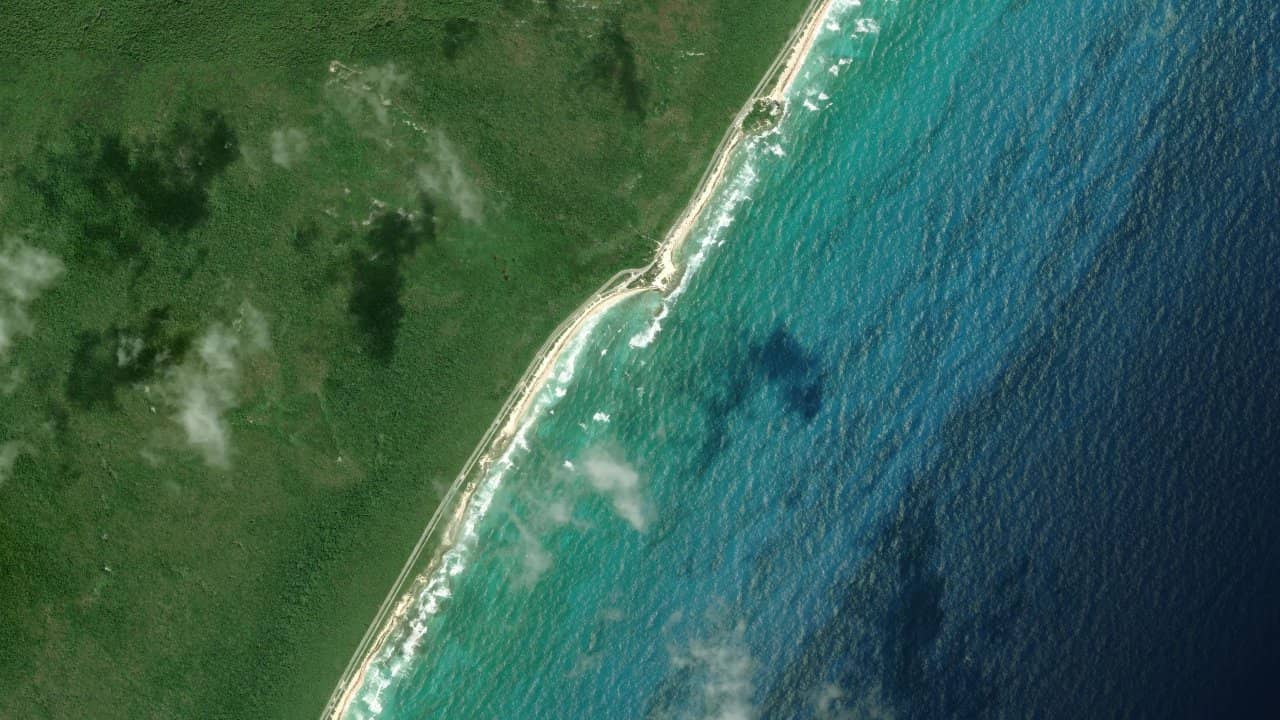
Chen Rio is a legendary spot located on the east coast of Cozumel, Quintana Roo, Mexico. It is the southernmost break on the island, accessible directly from the picturesque coastal road. The spot is characterized by impressive cliffs and a protected rocky bay that creates unique conditions for kitesurfing.

The site offers a wild and authentic atmosphere, away from massive tourist development. Locals love this place for its raw energy and varied possibilities. It is a spot that demands respect and good preparation, but rewards riders with memorable sessions.

The wind data shown here comes from ERA5 (via Open-Meteo) over 4 years, reprocessed to reflect realistic conditions.
👉 Average wind has been calibrated to avoid the usual underestimation of models.
👉 Gusts have been corrected by a median ratio to avoid unrealistic extreme values.
👉 Each day is summarized by the median wind (P50) observed during useful hours (8am–8pm), then classified into wind ranges.
👉 The weighted mode mixes average wind and gusts to best reflect felt wind.

  • 🟢 10–16 kts: light but sailable wind (especially on foil).
  • 🟡 16–22 kts: ideal range, comfortable conditions for most.
  • 🔴 22–28 kts: strong wind, reserved for experienced riders.
  • 🟣 28+ kts: extreme conditions, committed riding.

Location & Points of interest

Useful information

Water type
Depth
Rideability
High tide
wavewave
Standable
Yes
Low tide
wavewave
Not standable
No
Riding conditions

Chen Rio works best with a northeast to east wind (NE, E, SE), which generally blows side-shore to side-on relative to the main bay. The dominant wind comes from the east, creating regular and predictable conditions.

Launching is done from the cliffs or rocky beach at the foot of the coast. You need to be a confident swimmer as the currents are strong and the rocks are exposed near the break. The riding area extends offshore, with a water surface that varies with the tide. At low tide, the spot becomes very shallow and the coral and sharp rocks become dangerous. At high tide, conditions significantly improve with more water and better glide.

The spot offers both rolling waves and a protected flat area near the rocks, allowing for varied riding styles. The natural geysers that shoot from the rocks (locally called “blowholes”) are a unique feature of the spot.

Ideal wind
Edominant
SE
S

Ideal conditions at Chen Rio occur with a northeast to east wind (NE, E, SE) blowing between 12 and 18 knots. These directions create a side-shore to side-on wind perfect for safe riding.

The best months are November to June, with a preference for January to April when the wind is most consistent and powerful. At high tide, with a wind of minimum 15 knots, the spot offers dream conditions for all intermediate to advanced levels.

Sea state

The water surface at Chen Rio offers powerful rolling waves that break regularly over the rocky reef. The ideal waves measure between 5 to 6 feet in normal conditions and can reach 12 feet or more during big swells.

The protected rocky bay creates a flatter and sheltered area, ideal for progression or freestyle. The coral bottom and sharp rocks generate fast and powerful waves with plenty of ledge. At low tide, the spot becomes very shallow and dangerous. At high tide, conditions improve with better depth and smoother riding.

Sea currents

The currents at Chen Rio are strong and well-defined, particularly near the rocks and passages between rock formations. The main current flows to the right (south) along the coast, creating a significant lateral drift that must be anticipated.

At low tide, the current becomes even more powerful and concentrated, creating dangerous rip zones near the break. At high tide, the current eases but remains present. It is essential to always have an observer on the cliff and to understand the water movements well before launching.

Recommended kite size

The recommended kite sizes depend heavily on the wind and your weight. With an average wind of 12 to 15 knots, a kite of 13 to 14 m² is ideal for most riders. For windier days (15-18 knots), a 11 to 12 m² offers more control.

On calmer days (8-12 knots), a 15 to 17 m² may be necessary. As the spot is reserved for intermediate to advanced riders, it is recommended to have at least two kites to cover the variable wind range.

Weather & wind

The wind regime at Chen Rio is dominated by northeast to east trade winds, particularly consistent from November to June. The average wind hovers around 8 to 9 knots year-round, with peaks at 12 knots and more during cold fronts.

The windiest months are January to April, with about 17 to 20 days of usable wind per month (minimum 12 knots). The summer months (July-September) are calmer with only 6 to 8 days of wind per month. The wind is generally more stable in the late afternoon.

Climate

Cozumel enjoys a warm and humid tropical climate year-round. Water temperatures range from 24°C in January-February to 28°C in July-September, remaining pleasant for kitesurfing without a thick wetsuit.

The dry season extends from November to April, with generally more stable conditions. From May to October, it is the rainy season and tropical storms, although kitesurfing remains possible. Cold fronts from the north (“Nortes”) arrive from October to April and bring powerful winds.

Depth

The depth at Chen Rio varies significantly depending on the tide and area. Near the beach and in the protected rocky bay, the depth is very variable. At low tide, the spot becomes very shallow (less than 1 meter in places) with the coral reef and rocks exposed.

At high tide, the depth increases to 2-3 meters in the protected bay and more than 5 meters offshore. The bottom consists of sharp coral, cutting rocks, and sand, creating a technically interesting but dangerous environment. It is imperative to know the depths well before launching.

Water temperature

The water in Cozumel remains warm year-round, which is one of the great advantages of the spot. From January to March, the temperature drops to 24°C, requiring a thin wetsuit (2-3 mm) for long sessions.

From April to October, the water gradually warms up to 27-28°C, allowing for riding in shorty or without a wetsuit. The hottest months are July to September with temperatures of 28°C.

Kitesurfers reviews

Chargement des avis...

Leave a review

0/500 characters

Your review will be reviewed before publication.

BookFind a schoolRent gear
View on map

Quick summary

  • 🌍 Country: Mexico
  • 📍 Area / Region: Quintana Roo
  • 💰 On-site budget: $$
  • 🎓 Minimum level: Intermediate
  • 🌤️ Ideal season: Jan → Juin
  • 🪁 Recommended kite sizes: 11 m² – 15 m²

⚠️ Risks & Safety

  • The coral bottom and sharp rocks are extremely dangerous in case of a fall, especially at low tide. Always wear a back protector and water shoes.

  • Strong currents can quickly pull you towards the rocks or offshore. Always have an observer on the cliff and never kite alone.

  • Access via the cliffs is exposed and dangerous. Descend carefully and ensure you are in good physical condition and an excellent swimmer.

  • At low tide, the spot becomes very shallow and the reef dangerously exposed. Check the tide tables and avoid this period.

  • The rocks near the break can cause serious injuries in case of a wipeout. Stay vigilant and master your safety techniques.

Need help?
  • 🛡️ Secure booking
  • 🌬️ Advice based on season and wind
  • 🧭 Partner guides & schools
Contact support →

Nearby spots

View on map

Loading…

← Back to search