Kiteloopers - Kitesurfing spots, trips and destinations worldwideKiteloopers - Kitesurfing spots, destinations and kite trips worldwide
CarteDestinationsBlog
Connexion

Project

  • About
  • Contact

Legal

  • Terms of Service
  • Privacy
  • Cookies
  • Legal mentions
  • Support

Community

  • Spots
  • Blog
  • Schools
  • Instructors
  • Accommodations
  • Trips
  • KiteMarket

Social

  • Instagram
  • Facebook
© 2026 Kiteloopers — All rights reserved
Rodrigues

Rodrigues - Gravier

Maurice

🎓Déb · Inter · Conf
🌊Flat
💨22.3 nd
☀️24.3°C

Rodrigues

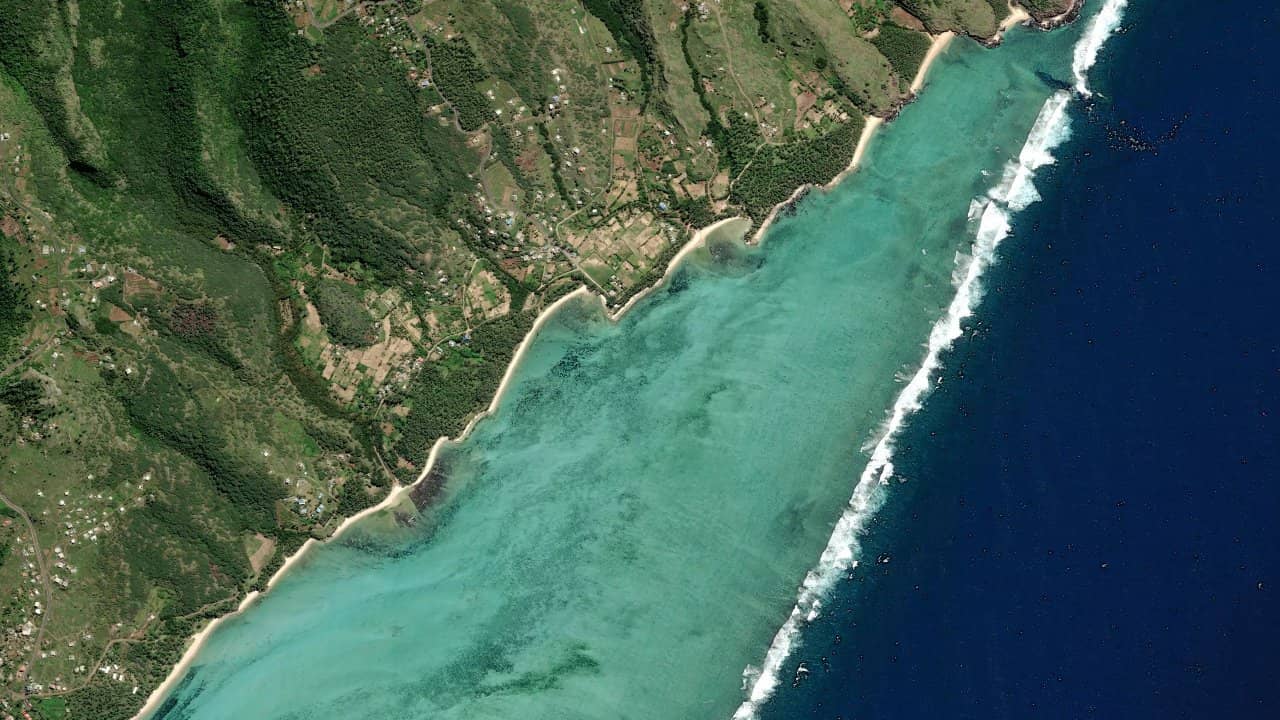
Gravier, in Rodrigues, is a spot appreciated for its wild atmosphere and its large, uncrowded lagoon. It offers a simple, authentic setting with direct access to a vast sailing area suitable for freeride practice and learning.

It is a spot that appeals to both independent riders and supervised beginners, thanks to often shallow water and regular conditions. The place is less known than Mourouk, giving it a calmer and more local atmosphere.

Les données de vent affichées ici proviennent d’ERA5 (via Open-Meteo) sur 4 ans, retraitées pour refléter des conditions réalistes.
👉 Le vent moyen a été calibré pour éviter la sous-estimation habituelle des modèles.
👉 Les rafales ont été corrigées par un ratio médian afin d’éviter des valeurs extrêmes irréalistes.
👉 Chaque jour est résumé par le vent médian (P50) observé pendant les heures utiles (8h–20h), puis classé dans des plages de vent.
👉 Le mode pondéré mélange vent moyen et rafales pour refléter au mieux le vent ressenti.

  • 🟢 10–16 nds : vent faible mais navigable (notamment en foil).
  • 🟡 16–22 nds : plage idéale, conditions confortables pour la majorité.
  • 🔴 22–28 nds : vent fort, réservé aux riders expérimentés.
  • 🟣 28+ nds : conditions extrêmes, navigation engagée.

Localisation & Points d'intérêt

Informations utiles

Type d’eau
Profondeur
Navigabilité
Marée haute
flatflat
Pied
Oui
Marée basse
flatflat
Pied
Oui
Conditions de navigation

At Gravier, the wind most often arrives side-shore to side-on, providing a comfortable launch from the beach and safe navigation in the lagoon. The water surface is generally flat to slightly choppy depending on wind exposure and tide state, with sometimes small waves at the reef edge or in more exposed areas. Launching is done directly from the beach, in a wide and clear area, which facilitates takeoff and return to shore.

The spot is mainly ridden in the large water expanse protected by the reef, with plenty of space to maneuver without being hindered. At low tide, some areas become very shallow and the bottom may surface in places, allowing for navigation in a very reassuring setting but requiring attention to water height. At high tide, navigation is more comfortable and fluid, with more continuity in the water surface.

Gravier works well for freeride sessions, long runs, and technical progressions. The spot remains accessible, but one must keep an eye on coral areas and parts of the lagoon where depth varies quickly. It is a place where one mainly enjoys simple navigation, with space, clear water, and often clean conditions for long sessions.

Vent ideal
SEdominant
S

The best sessions occur with a regular, clean southeast wind that is sufficiently established to fill the lagoon. A side-shore to side-on orientation is ideal for enjoying an easy launch and reassuring navigation. The most favorable months are mainly from May to October, with good wind continuity during this period.

For riders who enjoy flat water and long crossings, a wind around 18 to 25 knots provides the most interesting conditions. The most stable days are those when the wind remains well established without being too irregular along the beach.

État de la mer

The water surface is most often flat in the lagoon, with sometimes a slight chop when the wind picks up. The presence of the reef protects a large part of the area, allowing for riding in relatively smooth and clear water. Depending on the tide, some areas become very shallow and offer ideal terrain for beginners as well as for simple freestyle.

At the lagoon's edge or towards more open areas, one can find more movement and sometimes small waves on the reef or just before. Overall, Gravier remains a spot predominantly flat, with excellent sailing comfort for practicing turns, jibes, and first tricks.

Courants marins

Currents are generally moderate in the lagoon, but they can strengthen near the reef, passes, and more exposed areas. The tide mainly influences the available depth and the ease of navigation in certain shallow areas. At low tide, one must remain vigilant as some parts of the lagoon become very flat and shallow.

It is also important to watch for potential water return effects near coral areas. The spot is navigated more safely by staying in known areas and avoiding getting too close to the reef edges without prior scouting.

Taille de kite recommandée

Depending on the size and level, the most commonly useful sizes range from 7 to 10 m². Lighter riders or in strong wind can favor a 7 or 8 m², while an average size rider will often navigate with a 9 m². When the wind is a bit lighter, a 10 m² may become the right option.

On stronger days, it can be useful to have a smaller kite than average. The most versatile sizes for Rodrigues remain 8, 9, and 10 m², with a margin depending on weight, level, and type of board used.

Météo & vent

The dominant wind is the southeast trade wind, often well established between May and November. At Gravier, it frequently blows in a side-shore to side-on manner, which is favorable for clean and progressive navigation. The wind strength is often within an interesting range for kites, with regular days around 20 to 25 knots during the best periods.

Conditions can be more irregular outside the trade wind season, but Rodrigues maintains a good reputation for wind consistency during the austral winter. The spot can also receive other orientations depending on depressions or local effects, but the reference orientation remains southeast.

Climat

Rodrigues enjoys a tropical oceanic climate, with pleasant temperatures year-round. The air remains warm and humid, but the presence of wind makes sessions often very comfortable. The austral summer, from November to April, is warmer and more humid, with a higher risk of disturbed weather. The austral winter, from May to October, is drier, more stable, and corresponds to the best period for kitesurfing.

The most interesting months for sailing are generally those of the cool season, when the trade winds are more regular and the days remain mild. The water stays warm for a large part of the year, allowing for sailing in light gear, or even in a shorty depending on individual sensitivity.

Profondeur

The depth is generally shallow to medium in the lagoon, with many areas where one can stand along a good part of the shore. The bottom is often sandy, but there are also coral areas that should be avoided. At low tide, some parts become very shallow and require precise navigation.

The spot remains interesting for progression as the shallow depth is reassuring, but it is important to keep in mind that the underwater relief is not uniform. Riders should therefore identify launch areas and stay in the most readable corridors.

Température de l’eau

The water remains warm for most of the year in Rodrigues. During the austral winter, it remains pleasant for sailing in lycra or very light wetsuits. In summer, water temperatures are even more comfortable, allowing for riding almost without thermal protection.

In practice, one often stays within a range of about 24 to 28°C depending on the season. It is a spot where thermal constraints are low, making longer sessions more enjoyable.

Avis des kitesurfers

Chargement des avis...

Laisser un avis

0/500 caractères

Votre avis sera modéré avant publication

RéserverTrouver une écoleLouer du matériel
Voir sur la carte

Résumé rapide

  • 🌍 Pays : Maurice
  • 📍 Zone / Région : —
  • 💰 Budget sur place : $
  • 🎓 Niveau minimum : Débutant
  • 🌤️ Saison idéale : Avr → Fév
  • 🪁 Tailles de kite reco. : 7 m² – 10 m²

⚠️ Risques & Sécurité

  • Coral heads may surface in certain areas of the lagoon, so keep a safe distance.
  • Depth can become very shallow at low tide, increasing the risk of hitting the bottom.
  • Currents can be stronger near the reef and lagoon exit areas.
Besoin d’aide ?
  • 🛡️ Réservation sécurisée
  • 🌬️ Conseils selon la saison et le vent
  • 🧭 Guides & écoles partenaires
Contacter le support →

Spots à proximité

Voir sur la carte →

Chargement des spots proches...

← Retour à la recherche