Italy
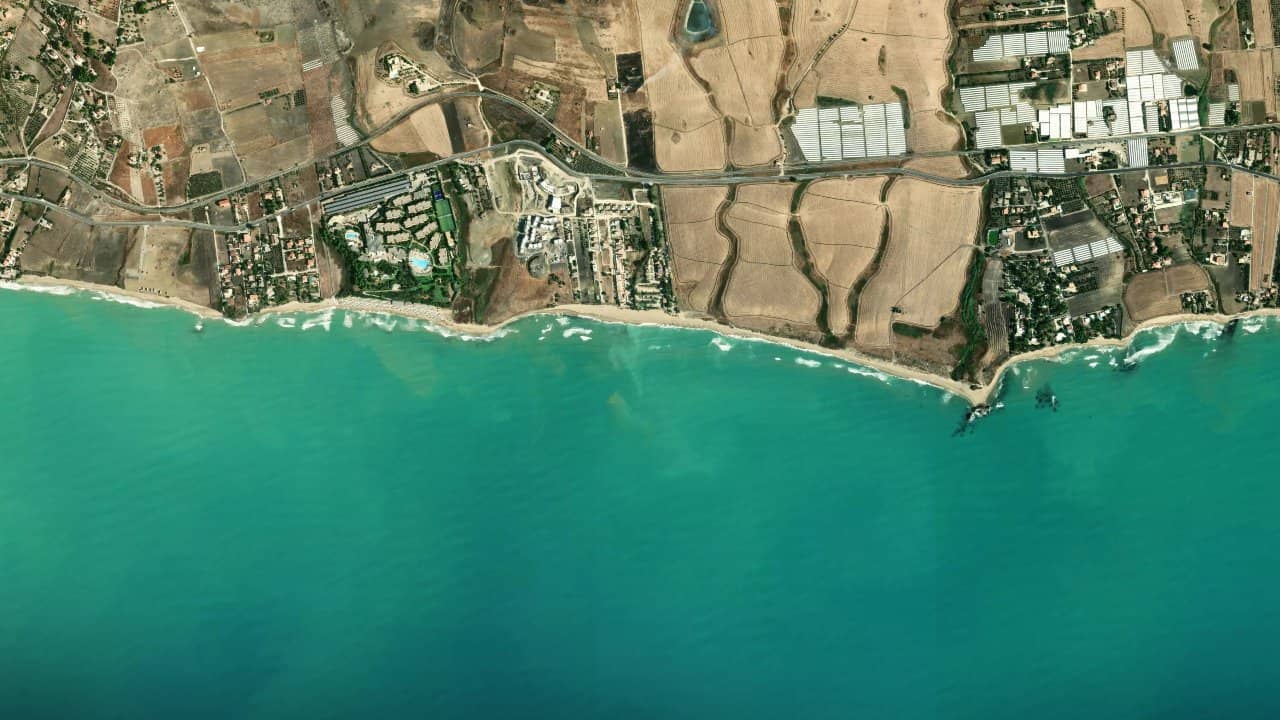
Kite Beach in Licata, located on the southern coast of Sicily in Italy, is a very accessible spot favored by kitesurfers of all levels. The beach stretches for nearly 2 kilometers of fine sand, with a very gradual entry into the water that does not require water shoes. It is an ideal place to start or progress, thanks to its consistent conditions and well-developed infrastructure.
The spot benefits from an exceptional geographical position that guarantees wind almost all year round. The Licata area, located between Gela and Agrigento, is one of the windiest regions in Sicily. The atmosphere is relaxed, with a good presence of certified schools and services for riders.
Les données de vent affichées ici proviennent d’ERA5 (via Open-Meteo) sur 4 ans, retraitées pour refléter des conditions réalistes.
👉 Le vent moyen a été calibré pour éviter la sous-estimation habituelle des modèles.
👉 Les rafales ont été corrigées par un ratio médian afin d’éviter des valeurs extrêmes irréalistes.
👉 Chaque jour est résumé par le vent médian (P50) observé pendant les heures utiles (8h–20h), puis classé dans des plages de vent.
👉 Le mode pondéré mélange vent moyen et rafales pour refléter au mieux le vent ressenti.
Kite Beach in Licata offers very consistent conditions due to its exposed coastal position. The wind blows very consistently throughout the year, making it a reliable spot even in winter. The general wind orientation is northwest to west, creating side-shore to side-on conditions depending on the day, particularly favorable for progression. The water surface is generally flat to slightly choppy, ideal for beginners and riders looking to work on technique. The launch area is very easy with a wide and clear beach, perfect for takeoff and landing. The navigation areas are well-defined and free of major obstacles, ensuring safe practice. During low tides, the water remains accessible and the sand offers good grip for beginners.
The ideal conditions in Licata are between 12 and 20 knots, allowing for comfortable practice for most riders. With these wind strengths, the water surface offers a good balance between control and dynamics. Days with 15-18 knots are particularly appreciated as they allow for rapid progression without excessive fatigue. The northwest to west wind creates the best side-shore conditions, ideal for maneuvers. Conditions remain good even with lighter wind (10-12 knots) for experienced riders, and can handle gusts up to 25-30 knots in summer for the more advanced.
The water surface at Kite Beach Licata is generally flat to slightly choppy, making it ideal for learning and technical progression. On days with light wind, the water is very flat and smooth, perfect for working on tricks and maneuvers. When the wind picks up, small waves may form, offering a bit more dynamics without becoming too demanding. Visibility is generally good, with clear water. The sandy bottom contributes to safe and predictable conditions. Conditions remain stable from tide to tide due to the low tidal range of the Mediterranean.
The current in Licata is generally weak to moderate, making it easy for all levels to practice. The coastal area directly in front of the beach offers little significant current. However, one must remain vigilant if venturing out to sea, where stronger currents may appear. Tides in the Mediterranean are very weak, with a tidal range generally less than 1 meter, meaning conditions remain stable throughout the day. This low tidal range is a major advantage for regular practice.
The recommended kite sizes in Licata vary according to seasonal conditions and the rider's level. For average conditions (15-18 knots), a kite of 12 to 14 m² is ideal for beginners and intermediates. In stronger conditions (20-25 knots), a kite of 9 to 11 m² offers better control. For lighter days (10-12 knots), a kite of 15 to 17 m² allows for staying in the air. Experienced riders can adjust their quiver based on forecasts, but overall a kite of 12 m² is a good compromise for most sessions in Licata.
The wind regime in Licata is remarkably consistent and reliable all year round. The prevailing wind blows from the northwest to west, with an average intensity of 12 to 20 knots most of the time. The strongest conditions are usually encountered in summer, with gusts reaching 25-30 knots in July and August. Thermal winds regularly pick up in the afternoon, creating predictable sessions. Windless days are rare, which is why Licata has become a reference spot in Sicily. Winter conditions remain good with consistent wind, although sometimes more variable.
Sicily enjoys a Mediterranean climate with mild winters and hot summers. In Licata, temperatures remain pleasant all year round, rarely dropping below 10°C in winter and rarely exceeding 35°C in summer. Spring and autumn offer the most comfortable conditions for practice, with moderate temperatures and excellent weather stability. Summer can be very hot, but the sea breeze provides good ventilation. Winters are mild, and rainy days are rare.
The depth at Kite Beach Licata is very gradual, making it a particularly safe spot for beginners. The entry into the water is very gentle, with footing up to about 50 meters from the shore. The bottom consists of fine and stable sand, providing excellent grip and good visibility. This gradual progression allows riders to start in very shallow water (30-50 cm) and progress gradually. The main practice area remains in shallow water (1-3 meters), ensuring safe sessions. Beyond 50 meters, the depth increases but remains accessible for experienced riders.
The water temperature in Licata varies significantly with the seasons. In winter (December to February), the water is cool with temperatures around 13-15°C, requiring a 4/3 or 5/4 wetsuit. In spring (March to May), the water gradually warms up to 16-18°C, making a 3/2 wetsuit sufficient. In summer (June to August), the water is pleasant with temperatures of 24-26°C, allowing for riding in a shorty or without a wetsuit. In autumn (September to November), the water remains warm at first (22-24°C) and then gradually cools to 18-20°C. These temperatures remain acceptable for practice all year round.