Kiteloopers - Kitesurfing spots, trips and destinations worldwideKiteloopers - Kitesurfing spots, destinations and kite trips worldwide
CarteDestinationsBlog
Connexion

Project

  • About
  • Contact

Legal

  • Terms of Service
  • Privacy
  • Cookies
  • Legal mentions
  • Support

Community

  • Spots
  • Blog
  • Schools
  • Instructors
  • Accommodations
  • Trips
  • KiteMarket

Social

  • Instagram
  • Facebook
© 2026 Kiteloopers — All rights reserved
Isola Rossa

Isola Rossa - La Marinedda

Italy

🎓Confirmé
🌊Vagues
💨20.6 nd
☀️17.7°C

Isola Rossa

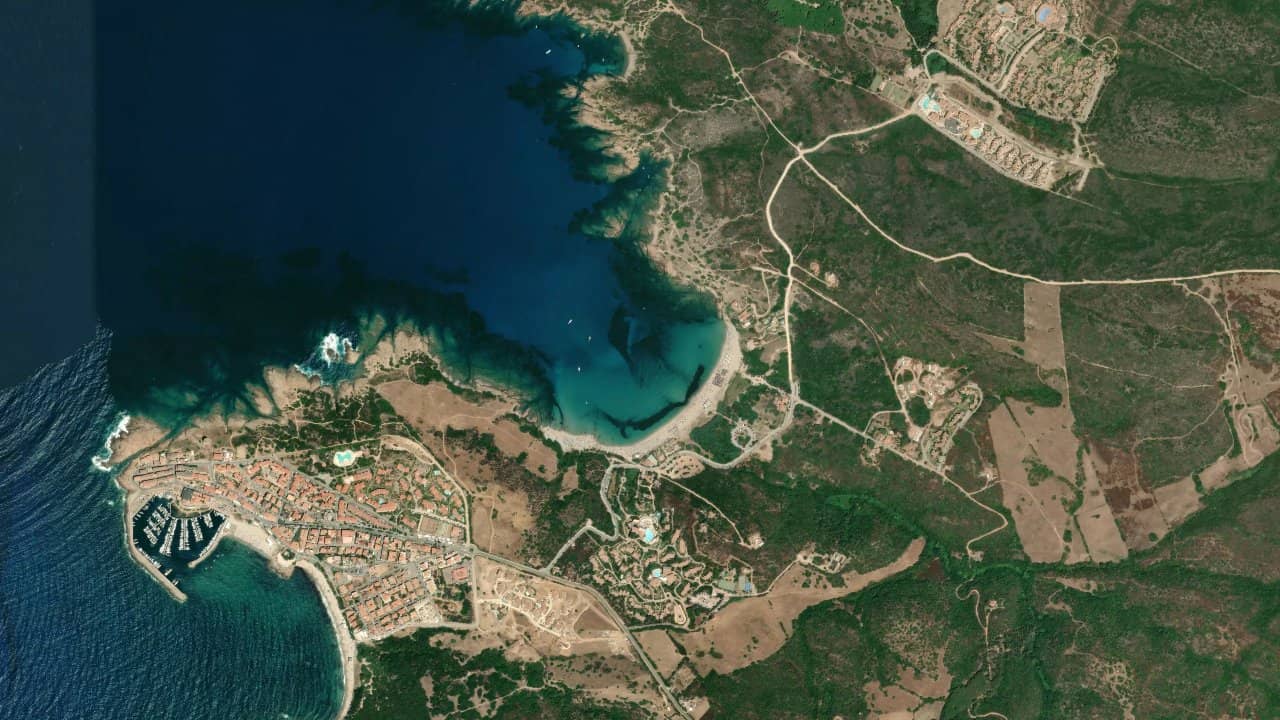
La Marinedda is a large open bay located just east of Isola Rossa, framed by red rocks and a light sandy beach. It is a spot known throughout northern Sardinia for its consistent waves and rather tranquil atmosphere outside the summer season.

The beach is easily accessible by car, with nearby parking and several services open mainly in summer. The spot is mostly frequented by surfers and windsurfers, but kitesurfers come to enjoy the water when the wind is well oriented and the swell remains manageable.

Les données de vent affichées ici proviennent d’ERA5 (via Open-Meteo) sur 4 ans, retraitées pour refléter des conditions réalistes.
👉 Le vent moyen a été calibré pour éviter la sous-estimation habituelle des modèles.
👉 Les rafales ont été corrigées par un ratio médian afin d’éviter des valeurs extrêmes irréalistes.
👉 Chaque jour est résumé par le vent médian (P50) observé pendant les heures utiles (8h–20h), puis classé dans des plages de vent.
👉 Le mode pondéré mélange vent moyen et rafales pour refléter au mieux le vent ressenti.

  • 🟢 10–16 nds : vent faible mais navigable (notamment en foil).
  • 🟡 16–22 nds : plage idéale, conditions confortables pour la majorité.
  • 🔴 22–28 nds : vent fort, réservé aux riders expérimentés.
  • 🟣 28+ nds : conditions extrêmes, navigation engagée.

Localisation & Points d'intérêt

Informations utiles

Type d’eau
Profondeur
Navigabilité
Marée haute
wavewave
Pied
Oui
Marée basse
wavewave
Pied
Oui
Conditions de navigation

The bay of La Marinedda is exposed to swells from the west and northwest, making it primarily a wave spot. The wind that works most often is the Maestrale (NW) as well as the Ponente (W), which generally come in side to side-on relative to the beach, with wind coming from the right when looking at the sea. In strong NW winds, the spot quickly becomes robust with powerful sets, more suited for experienced riders.

Launching is done directly from the large sandy beach, with no rocks in the main navigation area. The kite is inflated and launched on the sand, keeping a distance from other users, as the bay is quite narrow by the beach and can quickly become crowded in summer with surfers and bathers. In winter and off-season, there is much more space for kiting.

The water is generally chop + waves: near the shore, there is a more or less marked shorebreak depending on the swell size, then waves break on a relatively even sandy bottom. When the swell is small, one can find calmer sections between sets to ride, but it is not a flat spot. Waves can reach 1 to 3 meters, or even more during strong depressions, with sections sometimes being tubular.

The navigation area concentrates in the axis of the bay. To the left, towards the port of Isola Rossa, the waves are often smaller and the water a bit more sheltered. To the right, towards the opening of the bay, the swell comes in better and the waves are more powerful. It is advisable for kitesurfers to stay well offshore from surfers who generally position themselves on the main peaks in the center and on the right side of the bay.

There are no significant tides in the Mediterranean, so the water level mainly varies with the swell size and wind strength. The bottom is indicated as sandy with no significant underwater rocks in the surf area, which limits risks in case of a fall, but the shorebreak can be physical on days of large waves. The spot does not handle very strong onshore winds well, which complicate launching and returning to the beach, nor very irregular winds.

In summary, La Marinedda is a spot to favor for wave riding with a good Maestrale or Ponente, rather for riders already comfortable in the waves. For a relaxed freeride or flat water, other spots on the coast (like Badesi) will be more suitable.

Vent ideal
Wdominant
NWdominant

The ideal conditions for kitesurfing at La Marinedda occur with a steady Maestrale (NW) or Ponente (W) between about 18 and 30 knots, combined with an organized swell of 1 to 2 meters. In these conditions, the wind generally arrives side to side-on relative to the beach, offering a good compromise between safety and comfort in the waves.

For riders who want to truly exploit the wave potential of the spot, a well-formed swell from the W/NW sector with wind around 20 to 25 knots allows for a good rhythm between kite power and board maneuverability. Beyond that, the spot becomes more challenging and is reserved for advanced riders.

État de la mer

The water at La Marinedda is clearly oriented towards wave. With small swell and moderate wind, there is irregular chop with waves of 0.5 to 1 meter, which already allows for playing with sections for kitesurfing. When west or northwest depressions follow one another, the waves quickly rise to 1 to 3 meters, sometimes more, with well-formed and powerful sets.

The shorebreak can become very technical for launching in large swell, with waves breaking close to the shore. Offshore from the first breaking lines, the water remains choppy with a mix of waves and chop, typical of an exposed Mediterranean spot. The sandy bottom limits the risk of hitting rocks, but the power of the wave and the volume of moving water require good control of the kite and board.

Courants marins

The currents are generally moderate at La Marinedda, but they can strengthen when a large swell enters the bay. In these conditions, a drift current can set up along the beach, especially in the direction of the swell, which can surprise less experienced riders.

There are no strong tides like in the Atlantic, so water level variations are limited. However, the movement of water related to wave sets can create rip currents offshore or near areas where the waves break. It is advisable to keep a good landmark on land to monitor one's drift, especially on days of strong wind and large waves.

Taille de kite recommandée

For an average weight of about 75 to 80 kg, one usually sails between 8 m² and 10 m² when the Maestrale blows between 20 and 30 knots. Lighter riders can go down to 7 m² as soon as the wind exceeds 25 knots, while heavier riders will typically use 10 to 11 m² in 18 to 22 knots.

In winter, during strong wind events, it is not uncommon to use 6 to 7 m² on really strong days. In summer, if the wind is more moderate, sizes around 9 to 11 m² will be more suitable, depending on the thermal and the rider's weight.

Météo & vent

The dominant wind regime in the area is marked by the Maestrale (NW), a northwesterly wind that is often strong and consistent, settling behind depressions and can blow for several days in a row. This wind is the one that most often generates the swell that feeds the waves of La Marinedda, while providing sustained sailing conditions.

The Ponente (W) wind can also work well, bringing a clean west swell into the bay. In summer, thermals are more pronounced on large open beaches like Badesi, but there can also be local thermal enhancements at La Marinedda, especially during anticyclonic situations with clear skies. Throughout the year, one can sail almost every month, but strong wind conditions associated with waves are more frequent from autumn to spring.

Climat

The climate at La Marinedda is typically Mediterranean, with hot, dry summers and mild winters. In summer, air temperatures often hover around 28 to 32 °C during the day, with very little rain. Spring and autumn offer more temperate conditions, with temperatures often between 18 and 25 °C, pleasant for daytime sailing.

In winter, temperatures generally remain mild for Europe, around 10 to 15 °C during the day, but it can feel cool with the wind. However, it is a good season for surfing and kiting in the waves as west and northwest depressions are more frequent. The sun is present for a large part of the year, but one should expect some episodes of strong wind and rain during winter mistral events.

Profondeur

The bottom at La Marinedda is sandy in the main navigation area, with no reported rocks in the area where the waves break. The depth increases gradually, with shallow water in the first meters and then a level that quickly goes above waist height as one moves away from the shore.

One can generally stand in a band close to the shore, but with the swell and shorebreak, it is not always comfortable to remain standing, especially during large sets. Offshore from the first wave bars, the depth is sufficient to navigate without the risk of hitting the bottom with the board.

Température de l’eau

The water temperature in northern Sardinia hovers around 14 to 16 °C in winter, which necessitates a thick full wetsuit (4/3 or 5/4) for comfortable sailing. In spring, the water gradually rises to 17 to 20 °C, allowing for a 3/2 mm or a lighter 4/3 depending on cold sensitivity.

In summer, the water can reach around 22 to 25 °C, and many riders settle for a shorty or lycra, especially for short sessions. In autumn, the water remains pleasant for a long time, often around 20 to 22 °C at the beginning of the season, making it one of the best times to enjoy the first autumn swells without getting too cold.

Avis des kitesurfers

Chargement des avis...

Laisser un avis

0/500 caractères

Votre avis sera modéré avant publication

RéserverTrouver une écoleLouer du matériel
Voir sur la carte

Résumé rapide

  • 🌍 Pays : Italy
  • 📍 Zone / Région : Sardaigne
  • 💰 Budget sur place : $$
  • 🎓 Niveau minimum : Avancé
  • 🌤️ Saison idéale : Jan → Déc
  • 🪁 Tailles de kite reco. : 7 m² – 11 m²

⚠️ Risques & Sécurité

  • The main danger comes from powerful waves and the shorebreak, which can make launching and returning to the beach difficult on days of large swell.

  • The bay is shared with many surfers, so it is important to keep distance and avoid navigating in the middle of the main peaks.

  • In strong Maestrale winds, the current and drift can intensify, so it is important to monitor one's distance from the shore and not venture too far offshore if lacking experience.

Besoin d’aide ?
  • 🛡️ Réservation sécurisée
  • 🌬️ Conseils selon la saison et le vent
  • 🧭 Guides & écoles partenaires
Contacter le support →

Spots à proximité

Voir sur la carte →

Chargement des spots proches...

← Retour à la recherche