Kiteloopers - Kitesurfing spots, trips and destinations worldwideKiteloopers - Kitesurfing spots, destinations and kite trips worldwide
CarteDestinationsBlog
Connexion

Project

  • About
  • Contact

Legal

  • Terms of Service
  • Privacy
  • Cookies
  • Legal mentions
  • Support

Community

  • Spots
  • Blog
  • Schools
  • Instructors
  • Accommodations
  • Trips
  • KiteMarket

Social

  • Instagram
  • Facebook
© 2026 Kiteloopers — All rights reserved
Isola Maddalena

Isola Maddalena - Spiaggia di Bassa Trinita

Italie

🎓Inter · Conf
🌊Choppy
💨24.6 nd
☀️18.0°C

Isola Maddalena

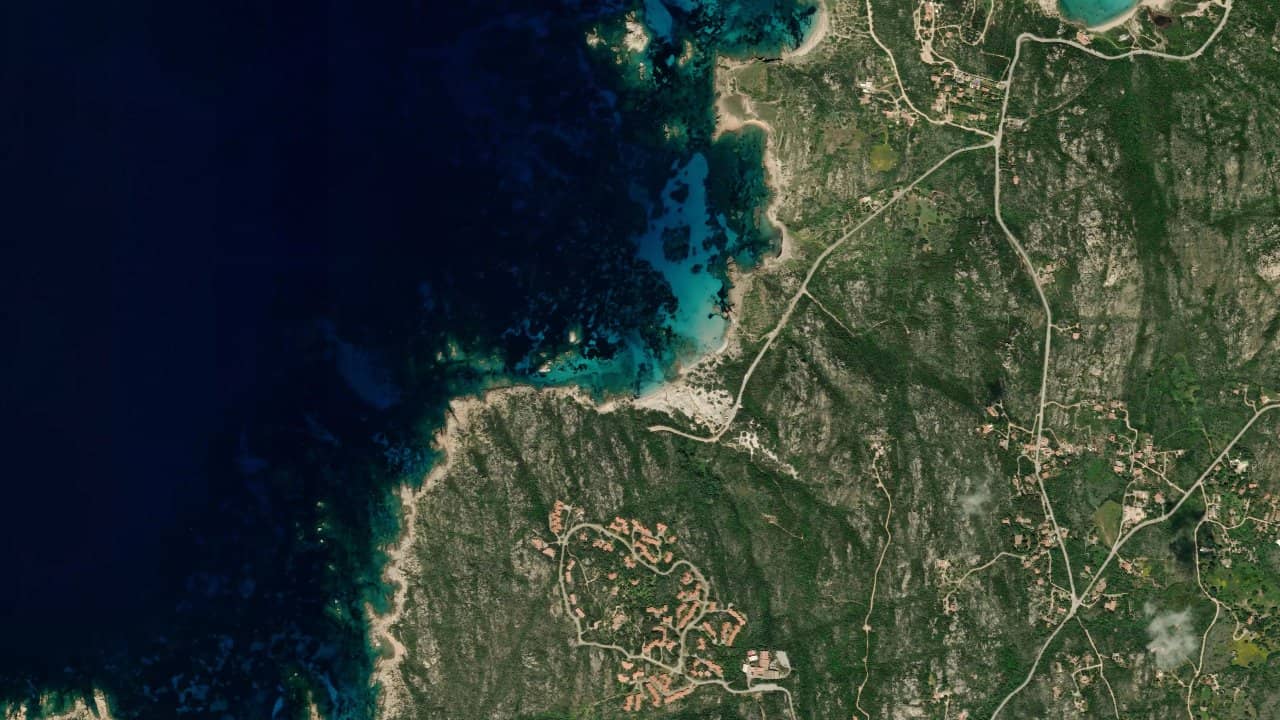
Bassa Trinità, on the island of La Maddalena in Sardinia, is a beach known for its clear water and preserved setting. It is a popular spot for kitesurfing and windsurfing, especially when the wind aligns well.

In summer, the spot becomes particularly valuable due to the thermal wind, which can pick up in the afternoon. The site is more suitable for independent riders, as access and launching require a minimum of organization.

Les données de vent affichées ici proviennent d’ERA5 (via Open-Meteo) sur 4 ans, retraitées pour refléter des conditions réalistes.
👉 Le vent moyen a été calibré pour éviter la sous-estimation habituelle des modèles.
👉 Les rafales ont été corrigées par un ratio médian afin d’éviter des valeurs extrêmes irréalistes.
👉 Chaque jour est résumé par le vent médian (P50) observé pendant les heures utiles (8h–20h), puis classé dans des plages de vent.
👉 Le mode pondéré mélange vent moyen et rafales pour refléter au mieux le vent ressenti.

  • 🟢 10–16 nds : vent faible mais navigable (notamment en foil).
  • 🟡 16–22 nds : plage idéale, conditions confortables pour la majorité.
  • 🔴 22–28 nds : vent fort, réservé aux riders expérimentés.
  • 🟣 28+ nds : conditions extrêmes, navigation engagée.

Localisation & Points d'intérêt

Informations utiles

Type d’eau
Profondeur
Navigabilité
Marée haute
chopchop
Partiel
Oui
Marée basse
flatflat
Partiel
Oui
Conditions de navigation

At Bassa Trinità, the most interesting wind is generally from the SE to S, as it often arrives with a good angle for a clean launch from the beach. The bay works well with a side-shore to side-on wind depending on the exact orientation, allowing for safe navigation in the area close to the shore. The spot is especially exploitable when the thermal breeze sets in, with more regular conditions in the second half of the day during the warm season.

The water surface is generally fairly flat to slightly choppy, with cleaner behavior in moderate wind and more pronounced when the wind picks up. There are no truly sought-after ground swells here, but the bay can become irregular if the wind comes in strong or if a swell from the west adds to it. The navigation area is mainly within the bay, keeping a margin from the shore and the rocky areas close to the edges.

Launching is done from the beach, with a preparation area to keep clear, as the site is not a large open space like some beach breaks on the mainland. One must also be careful of summer crowds and swimming areas depending on the season. For a skilled rider, it is a pleasant spot when the wind is clean and regular, but it requires attention to the coastal relief and the rocks present around the bay.


Vent ideal
N
NW

The best sessions occur with a NW and N wind, steady and sufficiently established to exceed 15 knots. The spot works particularly well when the afternoon thermal adds to an already present flow, as this results in a more stable and powerful wind. Days of high pressure in summer are often the most interesting.

To fully enjoy Bassa Trinità, it is better to aim for a clean side-shore to side-on wind, without too many gusts. A wind that is too off or too irregular makes navigation less comfortable and increases the vigilance needed at the shore. Freeride and foil riders will find the best conditions on calm and well-oriented days.

État de la mer

The water surface is most often flat to choppy, with a clean surface when the thermal wind is steady. When it picks up, the chop forms quickly, and riding becomes more physical. The bay does not produce a true flat lagoon, but it remains pleasant for freeride and foil on good days.

At low tide as well as high tide, the difference remains limited, as the spot is not dominated by a large sandy foreshore. Variations are mainly seen in the usable depth near the shore and the quality of the launch. When swell comes in from the west, the water surface can become more messy, without turning into a proper wave spot.

Courants marins

Currents are generally weak to moderate in the bay, but they can become more pronounced near rocky points and more exposed passages. Tides play a limited role on the water level, as it remains a Mediterranean spot with reduced amplitude. In practice, navigation mainly depends on the wind and the exposure of the bay.

One must remain attentive to drift effects if the wind is side-off or if one strays too far from the shore. Areas close to the rocks can create small local accelerations and complicate the return to the beach. The spot remains easy to manage when sailing in the bay's axis and maintaining a good safety margin.

Taille de kite recommandée

With the typical wind of the spot, the most useful sizes are often 8 to 12 m², depending on the rider's size and the season. When the thermal is well established and the wind exceeds 20 knots, a 7 to 9 m² may become more suitable. On lighter days, it is sometimes necessary to use a larger kite to remain comfortable.

For an average rider of standard weight, a quiver around 7, 9, and 12 m² already covers the majority of sessions. In summer, the spot can pick up quite quickly in the afternoon, so it is useful to have some margin in kite choice. Foiling can also be a good option when the wind remains irregular at the beginning of the session.

Météo & vent

The most useful wind regime here is often the thermal wind from the south, which strengthens during hot, anticyclonic days. Local sources indicate that in summer it can pick up in the afternoon, with an intensity generally sufficient for freeride. When it settles, it often blows quite regularly and can offer great sessions with medium sails.

Depending on synoptic conditions, the spot can also receive winds from the SE, which remain among the most favorable. The best days are those when the wind is clean enough to enter the bay well without being too gusty. On site, one must monitor the exact direction, as the angle relative to the beach changes the quality of the launch and the freedom of navigation.

Climat

The climate in La Maddalena is typically Mediterranean, with hot and dry summers and milder winters. From May to September, temperatures are often very pleasant for sailing, with long days and little rain. In mid-summer, the heat can be pronounced on the beach, especially in the middle of the day.

Spring and autumn often offer a good compromise between comfortable temperatures and lower crowds. Winter remains navigable on certain days, but it is less regular and requires more weather reading. The spot is particularly interesting during stable periods when the thermal can complement the synoptic wind.

Profondeur

The depth is gradual at the start, with a bottom that remains generally rocky in places around the bay. One can often stand near the shore depending on the exact launch point, but one must remain attentive to rocky areas. The site is not a large uniform sandy beach.

The bottom combines sand and rock formations, which requires careful selection of the launch and landing zones. In navigation, this remains manageable for an independent rider, but one should avoid the most exposed edges to the rocks. The depth quickly becomes sufficient for comfortable navigation once out of the shore area.

Température de l’eau

The water is most pleasant between June and September, with temperatures often sufficient for sailing in a shorty or sometimes in a lycra depending on individual sensitivity. In mid-summer, the water generally remains warm, making long sessions more comfortable. The surface heat is then well marked in sheltered bays.

In spring and autumn, the water becomes cooler but is still usable with light protection. In winter, one should plan for a warmer wetsuit, as the sea cools significantly. However, the sensation remains less harsh than in more northern Mediterranean areas.

Avis des kitesurfers

Chargement des avis...

Laisser un avis

0/500 caractères

Votre avis sera modéré avant publication

RéserverTrouver une écoleLouer du matériel
Voir sur la carte

Résumé rapide

  • 🌍 Pays : Italie
  • 📍 Zone / Région : Sardinia
  • 💰 Budget sur place : $
  • 🎓 Niveau minimum : Intermédiaire
  • 🌤️ Saison idéale : Jan → Déc
  • 🪁 Tailles de kite reco. : 7 m² – 12 m²

⚠️ Risques & Sécurité

  • Rocks are present around the bay and near the edges, so keep your distance.
  • The thermal wind can become irregular if one strays too far from the shore, complicating the return.
  • The area can be crowded in season, so be careful of swimmers and launching.
Besoin d’aide ?
  • 🛡️ Réservation sécurisée
  • 🌬️ Conseils selon la saison et le vent
  • 🧭 Guides & écoles partenaires
Contacter le support →

Spots à proximité

Voir sur la carte →

Chargement des spots proches...

← Retour à la recherche