Israël
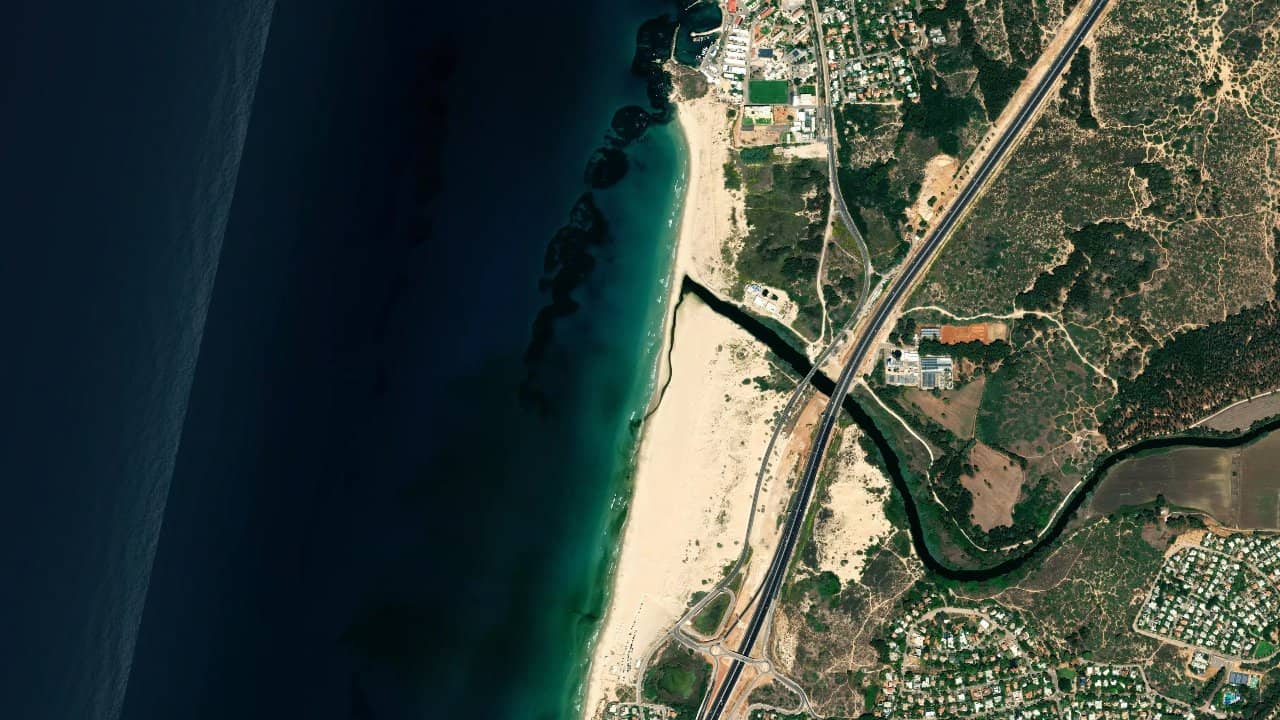
Beit Yanai Kite Beach, north of Tel-Aviv in the Center District, is a spot known for its large open beach and easy access. Riders come here to enjoy a natural setting, with an easy launch on the sand and enough space to rig without feeling too cramped.
The spot works well for kitesurfing when the wind is well oriented, with conditions often more pronounced than in Tel-Aviv during the winter swell. It is a spot favored by locals for its readability and its long beach, practical for sailing without feeling confined.
Les données de vent affichées ici proviennent d’ERA5 (via Open-Meteo) sur 4 ans, retraitées pour refléter des conditions réalistes.
👉 Le vent moyen a été calibré pour éviter la sous-estimation habituelle des modèles.
👉 Les rafales ont été corrigées par un ratio médian afin d’éviter des valeurs extrêmes irréalistes.
👉 Chaque jour est résumé par le vent médian (P50) observé pendant les heures utiles (8h–20h), puis classé dans des plages de vent.
👉 Le mode pondéré mélange vent moyen et rafales pour refléter au mieux le vent ressenti.
The wind is generally exploitable in side-shore to side-on depending on the orientation of the flow, with good sailing safety when it comes from the north. Sources describe Beit Yanai as a spot where the North wind is the most interesting reference, while in winter, depressions can bring a South to West wind and a more formed sea. The water surface therefore varies greatly depending on the season: it can be flatter and more accessible when the north sets in, then become more choppy and more engaged when the swell comes in.
Launching takes place on a large sandy beach, with space to take off and land cleanly. The navigable area is wide, allowing for easy distancing from the shore and comfortable sailing. According to specialized guides, the spot does not really depend on tides to function, which simplifies session organization. However, the sea can quickly take on relief when the swell comes in, and one must then keep a good margin offshore and monitor the state of the shorebreak near the shore.

The best conditions come with a North wind, steady and well oriented to cross the beach. It is in this case that Beit Yanai becomes the cleanest, with a water surface often more exploitable and sailing easier. In winter, a South to West wind can also work, but with more swell and a more engaged level.
For a pleasant session, one should aim for a sufficiently clean wind to maintain speed without suffering too much disorder in the shorebreak area. The months often recommended by guides are from January to May, then September to December, with good potential in spring and autumn.
The water surface is generally a mix of flat, chop, and small waves depending on the wind and season. Several sources report that Beit Yanai can take real waves in winter, sometimes up to 2 meters, while with a cleaner north wind, conditions are more flat or simply slightly choppy.
The spot is therefore quite versatile: one can make comfortable runs when the sea smooths out, or sail in a more dynamic environment when the winter swell comes in. The open beach and width of the sailing area allow for adaptation to these variations without too much hassle.
The spot is described as not very dependent on the tide, so the functioning remains generally constant throughout the day. There is no strong indication of a structuring tidal current like in an estuary, but one must remain attentive to water movements near the shore when the swell is present.
When the sea is formed, the current can become more sensitive offshore or in areas where the underwater relief accelerates the chop. Caution is therefore advised during departures and returns, especially if the beach is exposed and the shorebreak is active.
With wind around 19 knots, the most suitable sizes are often between 9 and 12 m² depending on the build and level. Heavier builds may aim for 10 to 12 m², while lighter riders will often be well served with 8 to 10 m².
On more energetic days, especially when the sea picks up in winter, a 7 to 9 m² kite may become more relevant. The final choice depends a lot on the swell, level, and style of sailing sought.
The most interesting wind regime at Beit Yanai is the North wind, which arrives regularly on this stretch of coast. Kite guides also indicate that in winter, the wind can shift to the South or West, with more swell and a more formed water surface. With the wind forecasted around 19 knots, the spot can offer a good session with an intermediate kite, especially if the direction is well oriented for the run.
The local wind does not have a very established name like in other regions, but the logic remains simple: north in stable season, and more disturbed episodes in winter with west or southwest winds. It is a spot that can shift from fairly clean sailing to more powerful conditions depending on the synoptic.
The climate is typically Mediterranean, with hot and dry summers and milder, sometimes rainy winters. In summer, temperatures often rise around 30 to 35°C in the air, with very pleasant water, close to 29°C. In winter, the air is usually around 15 to 20°C, with water around 18°C.
The most comfortable period for sailing is often from spring to autumn, with pleasant sessions thanks to the warmth and light. In winter, a thicker wetsuit is needed, as the air can be cooler and conditions more variable.
The depth is gradual with a sandy bottom, making the spot accessible to many riders. One can stand quite far from the shore, which facilitates launching and the first runs. The bottom is described as clean and without major constraints, which is a real strength for safety and comfort.
The site is therefore quite reassuring for preparation and return to the shore, even if the swell can make the area more nervous on certain days. The beach is wide and allows for stress-free organization during rigging.
The water is very pleasant in summer, with temperatures close to 29°C, which often allows for sailing in light clothing. In winter, the water drops to around 18°C, and it becomes more comfortable to go out in a more covering wetsuit.
Guides indicate that a 3/2 long wetsuit is especially useful from December to April. The rest of the year, the sea generally remains mild for sessions, especially in spring and autumn.