France
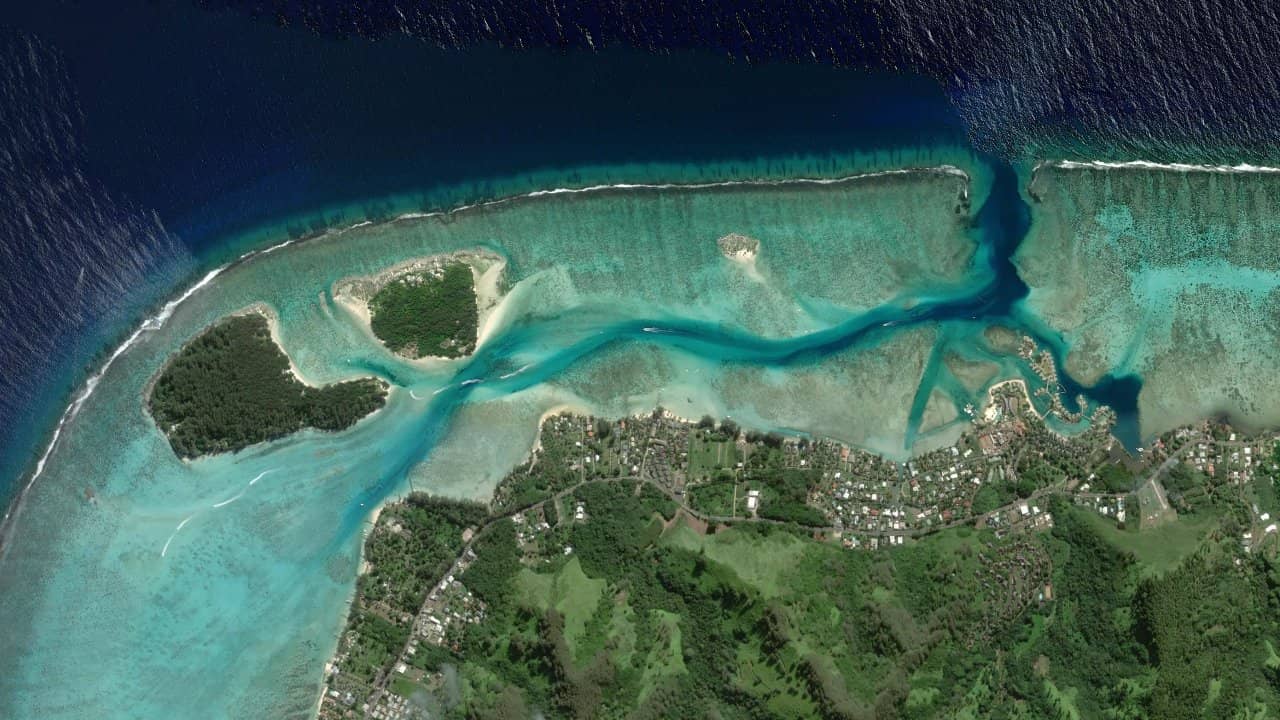
The Tipaniers Beach, in Moorea, is a spot known by riders for its calm lagoon and direct access to a beautiful sailing area. It is a popular place for flat water and easy sessions when the wind is well oriented.
The atmosphere remains very Polynesian, with a simple and pleasant setting, but access can be limited depending on the times. It is a spot especially interesting for kitesurfers looking for calm water and clean navigation in the lagoon.
Les données de vent affichées ici proviennent d’ERA5 (via Open-Meteo) sur 4 ans, retraitées pour refléter des conditions réalistes.
👉 Le vent moyen a été calibré pour éviter la sous-estimation habituelle des modèles.
👉 Les rafales ont été corrigées par un ratio médian afin d’éviter des valeurs extrêmes irréalistes.
👉 Chaque jour est résumé par le vent médian (P50) observé pendant les heures utiles (8h–20h), puis classé dans des plages de vent.
👉 Le mode pondéré mélange vent moyen et rafales pour refléter au mieux le vent ressenti.
The spot works best with a wind from the east to northeast, which generally arrives in a side-shore to side-on direction relative to the beach. When the wind is well established, launching takes place in the lagoon, with a fairly comfortable area to rig and take off. However, if the wind drops or shifts too much, conditions become less regular and navigation quickly loses quality.
The water surface is especially interesting at mid-tide and high tide, when the lagoon offers more depth and an easier launch. At low tide, some areas become less comfortable, with a higher risk of touching the bottom depending on the chosen spot. The most used area remains that of the lagoon in front of the Tipaniers, where the water is generally smoother and more reassuring for working on transitions, freeride, or freestyle.
The spot is renowned for its flat water, but it is important to keep in mind that exposure can change depending on wind strength and water level. Navigation mainly takes place in the lagoon, while remaining attentive to shallow areas and reef limits. Access has become more complicated in recent years, so it is important to check the actual state of the entrance to the spot before counting on it for a session.
The best sessions occur with a wind from the east to northeast, well established and sufficiently steady to hold a good sail. A side-shore to side-on wind provides the cleanest conditions for navigating in the lagoon without stress.
The spot is particularly interesting when the tide offers enough water to launch easily and return without touching the bottom. It is under these conditions that the Tipaniers Beach shows its best face, with clean water and smooth navigation.
The water surface is generally flat in the main navigation area, especially inside the lagoon. This is what makes the spot appealing for riders looking for clean, consistent, and comfortable water to perform maneuvers.
When the wind is well established, the surface remains relatively smooth with little chop, although some areas may become a bit more textured near the edges or if the wind strengthens. At low tide, the water may appear flatter but also more technical due to the lack of depth.
Currents are generally weak to moderate in the lagoon, but they can strengthen near passes and channel areas. One must remain vigilant when the water flows out of the lagoon, especially if the wind picks up and navigation moves away from the shore.
Depending on the tide, some shallow areas become more technical, especially at departure and return. Reading the tide is useful for choosing the right time and avoiding getting too shallow on the bottom or too close to obstacles.
The most commonly suitable sizes are around 8 to 10 m², with a 9 m² often being very versatile for typical days. Below that, a 7 to 8 m² becomes useful when the trade wind picks up.
For heavier riders or lighter days, a 10 to 11 m² may be preferable. As the wind varies depending on the season and the intensity of the trade wind, it is better to plan for multiple sizes if one wants to make the most of the spot.
The spot mainly receives trade winds from the east to southeast, with sometimes very good days from May to October. When the trade wind settles well, the wind is usable for kitesurfing, with an intensity often sufficient for freeride or freestyle.
Locals and practitioners mainly talk about a steady wind during the dry season, but it can be more irregular depending on the days and cloud cover. The spot therefore requires checking the exact direction before heading out, as good orientation greatly affects the quality of the session.
Moorea enjoys a tropical climate, warm and humid, with pleasant temperatures year-round. The windiest period generally occurs from May to October, during the drier season, although sessions remain possible outside this window.
The air is often warm, with temperatures around 26 to 30 °C depending on the season, and the water remains warm for a good part of the year. Rain is more frequent during the wet season, while the southern winter often offers more stable and comfortable conditions for kiting.
The depth is generally shallow to medium in the lagoon area used for kiting. The bottom is rather sandy in places, but one must remain attentive as some areas quickly become shallow at low tide.
One can often stand near the shore depending on the water level, which facilitates launching, but also requires careful selection of the starting line. The spot is therefore more comfortable when one knows the exact navigation area and the tide leaves enough depth for smooth progression.
The water remains warm year-round, with values generally around 26 to 29 °C. There is no need for a thick wetsuit, and most riders navigate in a light shorty or lycra depending on their sensitivity.
In the cooler season, the water remains pleasant, while in the hot season it can become very comfortable even for long sessions. The differences between months are real, but they do not significantly change the pleasure of kiting without thermal constraints.