Kandestederne - Kandestederne Strand
Denmark
Kandestederne
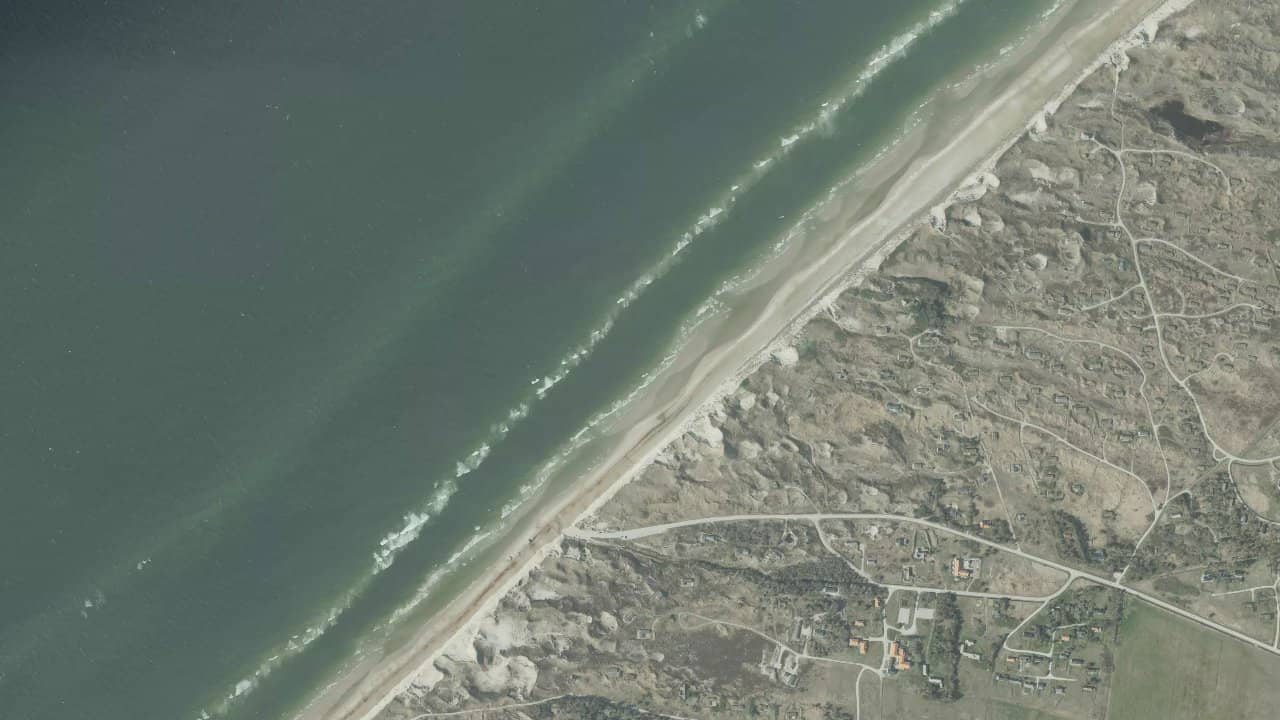
Kandestederne Strand, in the North Denmark region, is an open beach on the North Sea favored by kiters for its generous space and reliable onshore wind. It is a spot that mainly attracts locals and experienced riders looking for intense sessions.
The beach stretches for several kilometers with easy access parking and a direct launch, without too many complications for takeoff. The atmosphere is calm, away from tourist crowds.
Ideal for jumps and freestyle when the wind picks up, this spot offers a consistent water surface suitable for advanced maneuvers.
Les données de vent affichées ici proviennent d’ERA5 (via Open-Meteo) sur 4 ans, retraitées pour refléter des conditions réalistes.
👉 Le vent moyen a été calibré pour éviter la sous-estimation habituelle des modèles.
👉 Les rafales ont été corrigées par un ratio médian afin d’éviter des valeurs extrêmes irréalistes.
👉 Chaque jour est résumé par le vent médian (P50) observé pendant les heures utiles (8h–20h), puis classé dans des plages de vent.
👉 Le mode pondéré mélange vent moyen et rafales pour refléter au mieux le vent ressenti.
- 🟢 10–16 nds : vent faible mais navigable (notamment en foil).
- 🟡 16–22 nds : plage idéale, conditions confortables pour la majorité.
- 🔴 22–28 nds : vent fort, réservé aux riders expérimentés.
- 🟣 28+ nds : conditions extrêmes, navigation engagée.
Localisation & Points d'intérêt
Informations utiles
The spot at Kandestederne Strand works well with a wind from WNW to NW, which comes side-on relative to the northwest-facing beach, allowing for stable sessions without too much drift. For a WNW wind, it is perfect side-shore from the left, while a pure NW is light onshore but manageable with experience. The sailing area extends 1 to 2 km offshore depending on wind strength, with easy launch on compact sand and a wide takeoff area at the beach edge.
Tides have a moderate impact, with a low range around 0.2 to 0.5 m; at low tide, the water remains navigable without dry areas, and at high tide, the space gains depth for more freedom. Watch out for gusts in frontal conditions, typical of Atlantic depressions, which can make takeoff technical in strong wind. Local features include a downwind space to the north, ideal for long sessions, but with a possible walk back on the endless beach.
Ideal conditions are a side-on WNW at 15-20 knots, stable and thermal during the day, for a smooth water surface and controlled jumps.
The water surface is typically chop to moderate chop with established wind, potentially forming small waves of 1-2 m in strong conditions. The bottom remains sandy and clean, without troublesome seagrass.
Currents are generally weak due to a reduced tidal range, with a tidal coefficient often low around 40-50. It is important to monitor areas near the passes where the flow can slightly accelerate on rising tide.
Opt for sizes of 9 to 12 m² in standard conditions, going down to 7-9 m² in strong wind and up to 12-14 m² when it eases.
The wind regime is dominated by Atlantic frontal systems, with prevailing directions of WNW to NW, and variable strengths of 10 to 25 knots or more during depressions. The best winds occur in spring and autumn, while summer is lighter and winter is more unstable but powerful.
The climate in North Denmark is cool oceanic, with average temperatures of 5-10°C in winter and 15-20°C in summer. The intermediate seasons, spring and autumn, offer the best windows with less rain and more stability.
The depth is gradual with a clean sandy bottom; you can stand up to about 100-200 m from the shore depending on the tide, perfect for relaunches.
Water temperatures range from 4-8°C in winter to 15-18°C in summer; a 5/4 mm wetsuit is recommended year-round.