Blankenberge - Strand Blankenberge
Belgium
Blankenberge
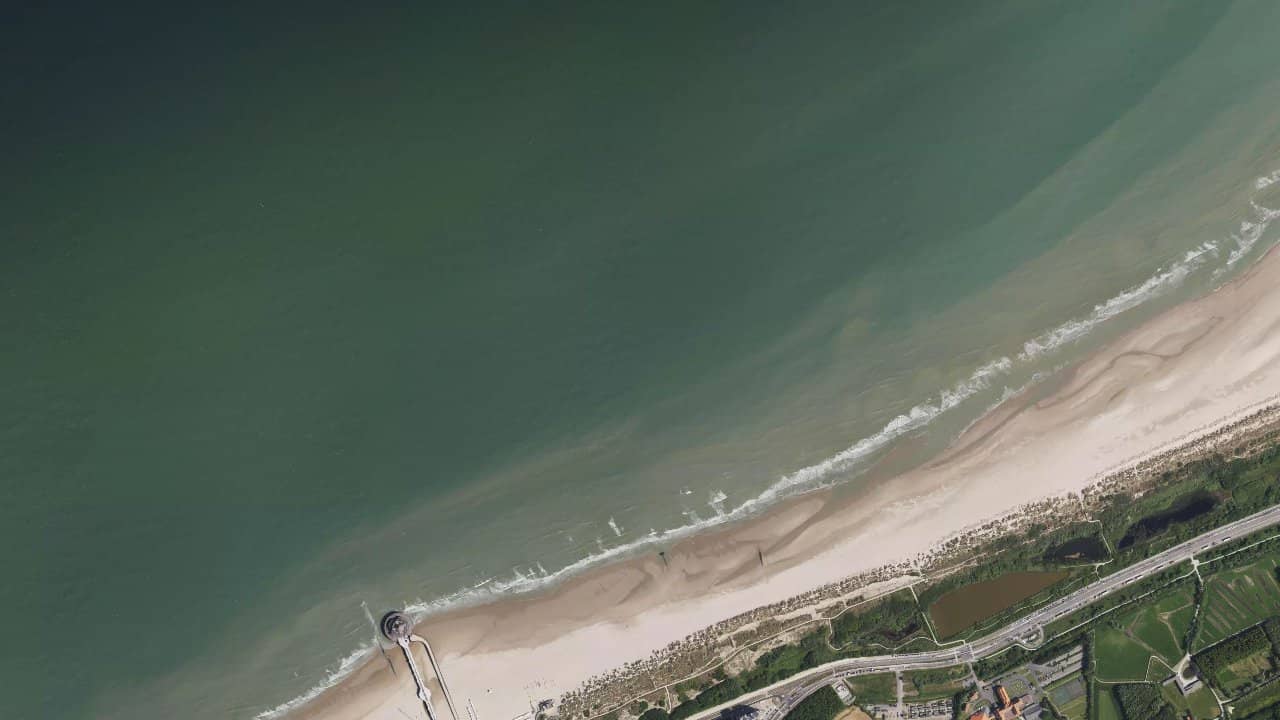
Strand Blankenberge, in Blankenberge in West Flanders, is a typical fine sandy beach of the Belgian coast, with its iconic pier that protects from the wind. It is a popular spot for locals due to its large beach and easy access from the promenade. You will find the O’Neill Beachclub, essential for kiting in Belgium, with changing rooms and insurance included.
The beach is wide, offering space for launching and landing kites, even in season. The sand is soft like the Sahara, with no rocks or large obstacles, ideal for a quiet session outside of summer.
Close to the choppy North Sea, it is a lively place with bathers in summer, but kiters have their dedicated area near the pier.
Les données de vent affichées ici proviennent d’ERA5 (via Open-Meteo) sur 4 ans, retraitées pour refléter des conditions réalistes.
👉 Le vent moyen a été calibré pour éviter la sous-estimation habituelle des modèles.
👉 Les rafales ont été corrigées par un ratio médian afin d’éviter des valeurs extrêmes irréalistes.
👉 Chaque jour est résumé par le vent médian (P50) observé pendant les heures utiles (8h–20h), puis classé dans des plages de vent.
👉 Le mode pondéré mélange vent moyen et rafales pour refléter au mieux le vent ressenti.
- 🟢 10–16 nds : vent faible mais navigable (notamment en foil).
- 🟡 16–22 nds : plage idéale, conditions confortables pour la majorité.
- 🔴 22–28 nds : vent fort, réservé aux riders expérimentés.
- 🟣 28+ nds : conditions extrêmes, navigation engagée.
Localisation & Points d'intérêt
Informations utiles
The spot works well with winds from N, NE, NW, W, which are side-shore or side-on relative to the north-facing beach. The port of Zeebrugge to the northwest creates a flat effect in pure west wind, while in east wind, it becomes a real wave circus with short waves. The navigation area is marked from the O’Neill Beachclub, often divided into beginner and advanced zones, with a length of 350m for kiting.
Launching is done on clean sand, easy even at low tide where the beach is vast, but at high tide, it reduces to about 60m wide. Takeoff is safe due to the dedicated space, but paid via the beach club (20€/day for the mandatory wristband). Local feature: the pier protects from the current but beware of surfers to the right of the pier from the beach; kiters go more upwind.
In summer, the beach is crowded with tourists, so prefer the edges or dedicated kite zones. Lifeguarding is provided by the beach club with a jet-ski.
The ideal conditions are with wind N-NW to SE offshore, strength 15-25 knots, for perfect flat to chop. Best in spring and autumn when the beach is less crowded.
The water surface is generally choppy, flat glassy in pure west due to the port, and small to medium waves in the east. It works at all tides, with more space at low water. The water is murky, typical of the North Sea.
The tides strongly influence the spot, with currents sometimes strong near the pier and the channel. The current pushes towards the breaking zones, especially on incoming tide. Stay close to the pilings when surfing to minimize the effect.
Opt for sizes 8-9m in medium wind, 10-11m in light wind, or 12-13m for light days. Adjust according to the rider and the tide.
The winds are consistent on the Belgian coast, with main directions N, NE, E, W, NW. The typical strength ranges from 12 to 25 knots, stronger in autumn and winter. There is no specific local name, but the spot captures Atlantic depressions well for consistent wind all year round.
The Belgian coastal climate is temperate, with temperatures ranging from -5°C in winter to 32°C in summer. The kiting season runs from April to November, but some riders go out all year round with a thick wetsuit. Winter is cool and windy, perfect for committed sessions.
The depth is gradual on a clean sandy bottom, with feet far at low tide. No rocks, just a few occasional shells.
The water is at 22°C in summer, around 6-10°C in winter. A 4/3 wetsuit is essential outside the warm season, with gloves and booties in winter.