Lancelin - Lancelin Beach
Australia
Lancelin
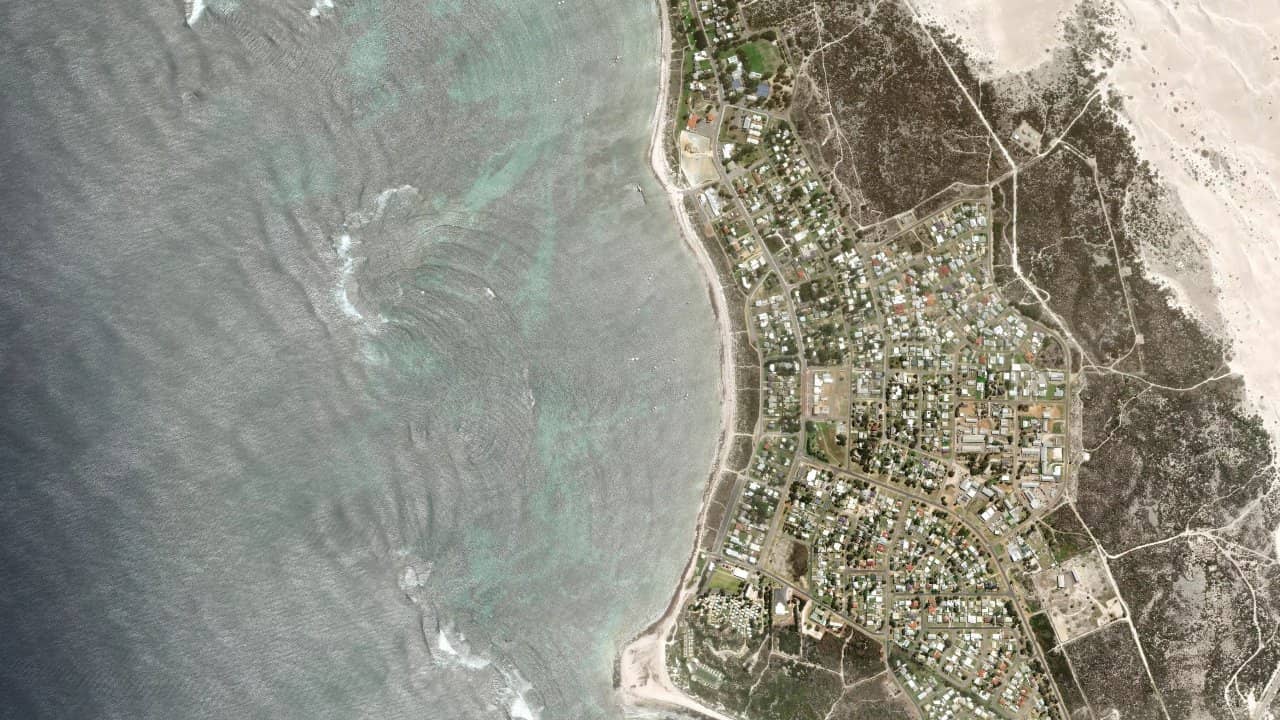
Lancelin Beach, located in Lancelin, Western Australia, is a popular spot for its long white beach and turquoise waters. It is a favorite among riders for its variety of conditions, from flat to wave, and its reliable wind.
The spot offers a relaxed atmosphere with plenty of space for launching, although weekends can be busier. Locals share the area with windsurfers in a friendly spirit.
With its lagoon to the south and waves on the outer reef, Lancelin Beach caters to different riding styles.
Les données de vent affichées ici proviennent d’ERA5 (via Open-Meteo) sur 4 ans, retraitées pour refléter des conditions réalistes.
👉 Le vent moyen a été calibré pour éviter la sous-estimation habituelle des modèles.
👉 Les rafales ont été corrigées par un ratio médian afin d’éviter des valeurs extrêmes irréalistes.
👉 Chaque jour est résumé par le vent médian (P50) observé pendant les heures utiles (8h–20h), puis classé dans des plages de vent.
👉 Le mode pondéré mélange vent moyen et rafales pour refléter au mieux le vent ressenti.
- 🟢 10–16 nds : vent faible mais navigable (notamment en foil).
- 🟡 16–22 nds : plage idéale, conditions confortables pour la majorité.
- 🔴 22–28 nds : vent fort, réservé aux riders expérimentés.
- 🟣 28+ nds : conditions extrêmes, navigation engagée.
Localisation & Points d'intérêt
Informations utiles
The dominant wind comes from the Southwest (SW), ideal in side-on or cross-onshore for the main beach. It strengthens in the afternoon due to the thermal effect, often reaching 18-25 knots in high season. The launch area is wide on the long white beach, with plenty of space for takeoff and landing.
To the south of the lagoon, there is an excellent flat in 0.3 to 2 meters of depth, perfect for freestyle or cautious beginners. Further out, on the reef, waves can reach up to 5 meters, with a slow break without tubes, suitable for wave riding. Avoid the northern area reserved for windsurfers, or risk a fine.
Tides have little influence on the shallow lagoon, but at low tide, the reef becomes more exposed. Stay away from Edward Island to avoid wind shadows and strong currents. The spot is versatile: flat in the southern lagoon, choppy in the center, and waves on the outer reef.
Ideal conditions are with a SW wind at 18-25 knots, side-on, for a mix of flat and waves. Avoid NNE to SSE winds that go offshore.
The water conditions vary from perfect flat in the southern lagoon to chop in the center, and small to massive waves (up to 5m) on the outer reef. There are many seaweeds on the beach in some areas.
Currents are generally moderate in the lagoon but can be strong near the reef and around Edward Island, especially with swell or at certain tides. Stay vigilant in passages like South Passage.
Opt for kite sizes of 9 to 12m² in moderate wind, and 7 to 9m² when it picks up to 20+ knots. For waves, go down to 8-10m².
The wind pattern is very reliable, dominated by Southwest seabreezes (SW) that pick up strength in the afternoon. At peak season, expect regular 18-25 knots, with a thermal that strengthens the breeze from noon. The wind often blows 6 days a week in December-February.
The climate is warm in summer with temperatures up to 42°C, and cooler in winter around 4°C. The ideal season for kitesurfing runs from November to March, with pleasant weather almost year-round.
The bottom is sandy-progressive in the southern lagoon with a depth of 0.3-2m. You can stand for a long time, but be cautious of the reef outside.
In summer (December-March), the water is around 20-23°C, a shorty is sufficient. In winter, it drops to 16-19°C, so plan for a long wetsuit.