Geraldton - Point Moore
Australia
Geraldton
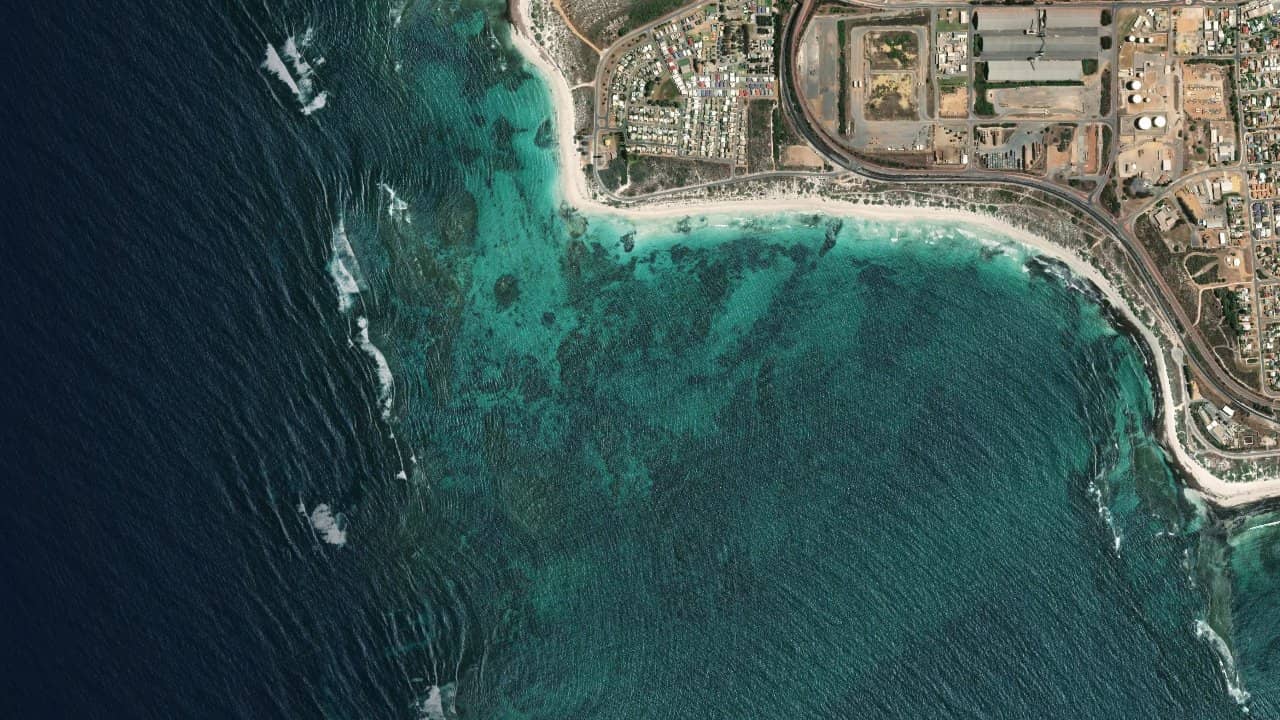
Point Moore is a large sandy beach located in Geraldton, Western Australia, about 420 kilometers north of Perth. This iconic spot is a peninsula that juts out into the ocean, making it one of the windiest places in the region. It was once a hotspot for windsurfing, and it remains an excellent kitesurfing spot appreciated for its reliable conditions and less crowded atmosphere compared to Perth.
The beach is wide and generally uncrowded, with plenty of space to set up and launch your kite. It is accessible by 4x4 and you can park directly on the beach, making access very convenient. The spot offers varied conditions depending on the area: punchy and powerful waves outside the reefs, and flatter water inside for less experienced riders.
Les données de vent affichées ici proviennent d’ERA5 (via Open-Meteo) sur 4 ans, retraitées pour refléter des conditions réalistes.
👉 Le vent moyen a été calibré pour éviter la sous-estimation habituelle des modèles.
👉 Les rafales ont été corrigées par un ratio médian afin d’éviter des valeurs extrêmes irréalistes.
👉 Chaque jour est résumé par le vent médian (P50) observé pendant les heures utiles (8h–20h), puis classé dans des plages de vent.
👉 Le mode pondéré mélange vent moyen et rafales pour refléter au mieux le vent ressenti.
- 🟢 10–16 nds : vent faible mais navigable (notamment en foil).
- 🟡 16–22 nds : plage idéale, conditions confortables pour la majorité.
- 🔴 22–28 nds : vent fort, réservé aux riders expérimentés.
- 🟣 28+ nds : conditions extrêmes, navigation engagée.
Localisation & Points d'intérêt
Informations utiles
Point Moore receives very regular and strong winds due to its unique geographical position: the peninsula juts out about 4 kilometers into the sea and receives the wind first. The dominant wind comes from the southwest to northwest, creating side-shore to side-on conditions depending on the day. The general wind orientation relative to the beach is cross-onshore from the left.
The spot features two reefs on either side of the point, which have given their name to a local break: Hell's Gates. Outside the reefs, the waves are punchy and challenging, with strong currents and little protection from the bay. Inside the reefs, the water is much flatter, which is better suited for less confident riders and kite schools. The inner area is ideal for learning and progressing safely.
Access to the beach is easy: you can drive in 4x4 and choose your launch spot. The beach offers plenty of launch space and a safe launch. If Point Moore is too windy or too blown out, Separation Point, located just to the south, can be a good alternative with slightly more sheltered conditions.
Ideal conditions at Point Moore occur with a regular and strong wind from the southwest to northwest, creating side-shore to side-on conditions. The spot works well with a cross-onshore wind from the left. With a score of 86/100 and data indicating that the spot works well year-round, conditions are generally excellent. If you are looking for guaranteed wind, Point Moore is the best choice in Geraldton, even when other spots are too light. The afternoon usually offers stronger conditions due to the thermal effect.
The state of the water varies significantly depending on the area. Inside the reefs, the water is relatively flat, which is suitable for learning riders and freestylers. Outside the reefs, the waves are punchy, powerful, and challenging, with a regular swell. Separation Point, to the south, offers smoother and longer waves than Point Moore, making it a good alternative when Point Moore is too blown out. Swell conditions depend on the direction and strength of the swell.
The current at Point Moore can be quite strong, particularly near the reefs and outside the point. Inside the reefs, the current is more moderate and manageable. It is important to stay aware of the direction and strength of the current, especially if you are riding outside the reefs where conditions can be more demanding. Tides also influence conditions, with flatter water at low tide inside the reefs.
Due to the strong and regular winds at Point Moore, it is recommended to come with a small kite, between 5 and 6 meters. If you are coming from the south (like Perth), where conditions are generally lighter, bring a smaller kite than you would normally use. Experienced riders can use kites of 7 to 9 meters depending on the day's conditions and their weight. For intermediate riders, a kite of 8 to 10 meters may be suitable depending on conditions. Always check wind forecasts before heading out.
The wind regime at Point Moore is dominated by regular and strong winds coming from the southwest to northwest. These winds are constant and reliable, which is why the spot has long been a hotspot for windsurfing. Wind strength generally increases in the afternoon due to the thermal effect. Point Moore is the windiest spot in Geraldton due to its exposed position at the end of a peninsula. Winds can be very strong, hence the recommendation to come with a small kite (5 or 6 meters) if you are coming from the south where conditions are generally lighter.
Geraldton enjoys a Mediterranean climate with regular winds year-round. The region is known for its reliable wind conditions, particularly during the Australian summer season. Available data indicates that the spot works well during all months of the year, making it a very accessible destination for kitesurfers. Conditions are generally stronger in the afternoon due to the thermal effect of the sea breeze.
The depth at Point Moore varies depending on the area. Inside the reefs, the water is shallow and gradual, which is suitable for learning riders. Outside the reefs and further out to sea, the depth increases gradually. The bottom is mainly sandy, providing good safety in case of falls. Depth conditions also vary with the tides.
Precise information on water temperatures at Point Moore is not available from the consulted sources. However, Geraldton is located on the west coast of Australia, where waters are generally colder than on the east coast. A shorty is recommended in winter according to local sources. For precise information on temperatures by season, consult local kite schools or rider forums.