Kiteloopers - Kitesurfing spots, trips and destinations worldwideKiteloopers - Kitesurfing spots, destinations and kite trips worldwide
MapDestinationsBlog
Log in

Project

  • About
  • Contact

Legal

  • Terms
  • Privacy
  • Cookies
  • Legal notices
  • Support

Community

  • Spots
  • Blog
  • Schools
  • Instructors
  • Accommodations
  • Trips
  • KiteMarket

Social

  • Instagram
  • Facebook
© 2026 Kiteloopers — All rights reserved
Cocos Keeling Islands

Cocos Keeling Islands - Kite Beach

Australie

🎓Inter · Adv
🌊Flat
💨21.8 kt
☀️26.5°C

Cocos Keeling Islands

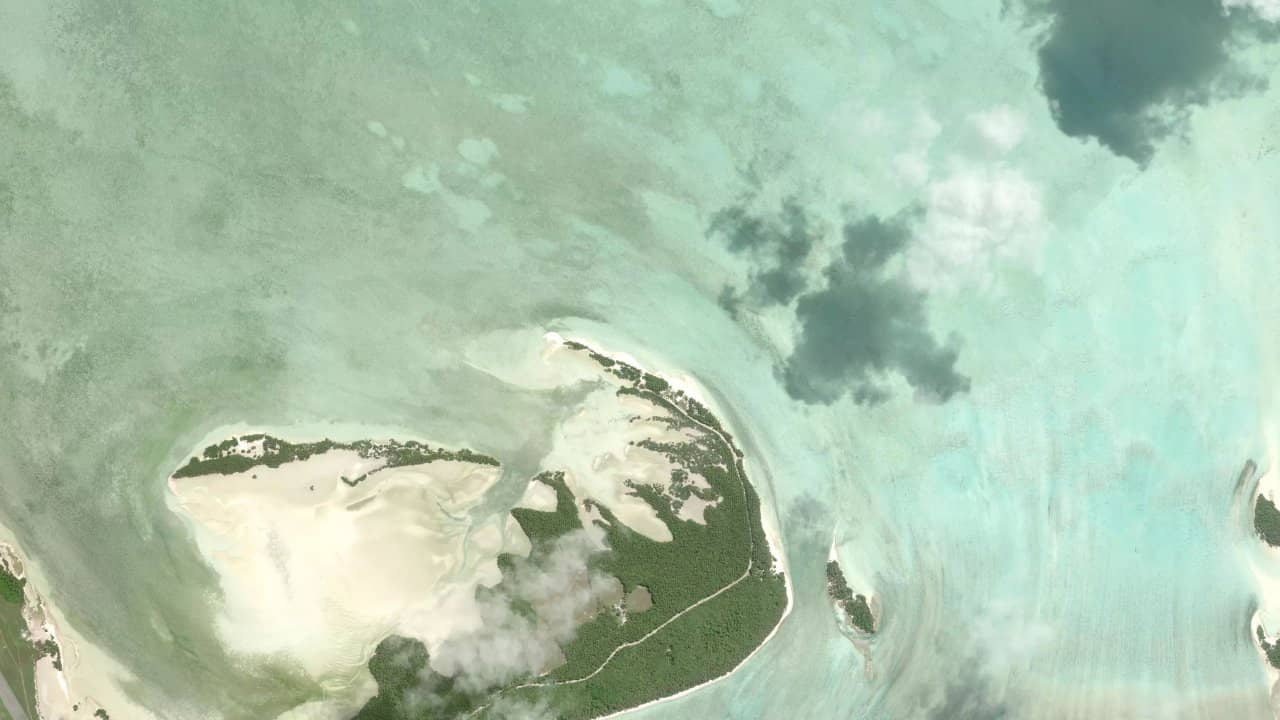
Kite Beach at the Cocos Keeling Islands, on West Island, is a lagoon spot known for its shallow waters and tropical setting. It is a favorite spot for riders due to its easy-to-read conditions and very calm atmosphere.

The site is well-suited for kitesurfing on flat water, with easy access when the tide allows. The place is mainly sought after for riding in warm, clear water, with consistent wind for a good part of the season.

The wind data shown here comes from ERA5 (via Open-Meteo) over 4 years, reprocessed to reflect realistic conditions.
👉 Average wind has been calibrated to avoid the usual underestimation of models.
👉 Gusts have been corrected by a median ratio to avoid unrealistic extreme values.
👉 Each day is summarized by the median wind (P50) observed during useful hours (8am–8pm), then classified into wind ranges.
👉 The weighted mode mixes average wind and gusts to best reflect felt wind.

  • 🟢 10–16 kts: light but sailable wind (especially on foil).
  • 🟡 16–22 kts: ideal range, comfortable conditions for most.
  • 🔴 22–28 kts: strong wind, reserved for experienced riders.
  • 🟣 28+ kts: extreme conditions, committed riding.

Location & Points of interest

Useful information

Water type
Depth
Rideability
High tide
flatflat
Standable
Yes
Low tide
chopchop
Not standable
No
Riding conditions

The spot mainly works with a side-on to side-shore wind coming from the east to southeast, providing clean and safe navigation along the beach. The water surface is generally flat in the lagoon, with sometimes a slight chop when the wind rises or the exposure changes.

Launching is done directly from the beach, but it is important to keep an eye on the low tide, as the spot becomes too shallow at certain times. Local sources indicate that the water is too low at the main spot at low tide, which requires aiming for the rising, high, or falling tide to navigate comfortably.

The navigation area remains very accessible for working on runs and maneuvers, with a shallow bottom that reassures beginners but requires vigilance in case of a fall. Takeoff should be done in a clear area, as the usable space can quickly reduce depending on the water level and the organization of the beach.


Ideal wind
Edominant
SEdominant

The best sessions occur with a east to southeast wind, consistent and well established, on a high or at least rising tide. In these conditions, Kite Beach offers a clean, very accessible water surface, pleasant for long runs.

The spot is particularly interesting when the wind is around 20 to 25 knots, allowing for easy-to-hold kites without over-sheeting. Conditions are then most homogeneous for safe navigation and utilizing the entire useful width of the lagoon.

Sea state

The water is generally flat, with shallow and rather smooth water in the lagoon. Available feedback describes a spot as shallow and flat, which is well-suited for comfortable navigation to work on speed and transitions.

When the wind picks up, a slight chop may appear, but it does not turn the spot into choppy water. The feeling remains that of a protected lagoon, with warm and clear water, very pleasant for long sessions.

Sea currents

Currents are generally weak to moderate, but the tide clearly changes the navigation conditions. At low tide, the depth becomes too limited at the main spot, making some areas impractical or technical.

Navigation is therefore easier at high tide or on a rising tide, when the water remains usable for longer. It is also important to watch for areas where the water recedes quickly, as the bottom appears rapidly and reduces the navigation area.

Recommended kite size

With an average wind around 21 knots, the most consistent sizes often range between 9 m² and 11 m². Heavier riders may sometimes aim for 12 m², while lighter riders will more easily go for 7 m² or 8 m².

On windier days, a 7 m² or 8 m² will often be the best choice. On lighter days, a 9 m² or 10 m² remains the most versatile range for Kite Beach.

Weather & wind

The dominant regime relies on trade winds, with wind often blowing from east to southeast. Spot data confirms a recommended wind direction of E, ESE, and SE, which fits well with the lagoon configuration for Kite Beach.

When the wind is well established, it is generally consistent and usable over a good time frame, often from morning to evening during the season. The average level reported is around 21 knots, which aligns with a spot that most often works with small to medium kite sizes.

Climate

The climate is warm all year round, with tropical conditions and pleasant water even off-season. The Cocos Keeling Islands are known for their warm and shallow lagoons, making it a very comfortable destination for kitesurfing.

The most interesting period for kitesurfing generally falls between May-June and September-October, when the trade winds are most consistent. The months often cited as favorable also include April, June, July, August, September, October, November, and December, confirming a long window but with a clearer peak during the austral winter and interseasons.

Depth

The depth is shallow and the bottom is of sandy lagoon type, with a quick foot feeling over a large part of the area. The spot is therefore reassuring for learning, but it requires respecting the tide level.

At high tide, the spot is much more pleasant and usable, while at low tide the water becomes too shallow at the main spot. Therefore, depth should be considered a key parameter before each session.

Water temperature

The water is warm all year round, allowing for kitesurfing in a light shorty or sometimes just in boardshorts depending on individual sensitivity. Thermal comfort is one of the major advantages of the spot.

There is no real marked cold season at this spot, only slight variations between the driest and wettest periods. In practice, the water temperature remains mild enough for long and repeated sessions.

Kitesurfers reviews

Chargement des avis...

Leave a review

0/500 characters

Your review will be reviewed before publication.

BookFind a schoolRent gear
View on map

Quick summary

  • 🌍 Country: Australie
  • 📍 Area / Region: West Island
  • 💰 On-site budget: $
  • 🎓 Minimum level: Intermediate
  • 🌤️ Ideal season: Juin → Jan
  • 🪁 Recommended kite sizes: 7 m² – 12 m²

⚠️ Risks & Safety

  • Low tide can make the spot too shallow for proper navigation.
  • The very shallow bottom requires staying alert in case of a fall or loss of control.
  • The launch area may become narrower depending on the water level, complicating takeoff.
Need help?
  • 🛡️ Secure booking
  • 🌬️ Advice based on season and wind
  • 🧭 Partner guides & schools
Contact support →

Nearby spots

View on map

Loading…

← Back to search