Royaume-Uni
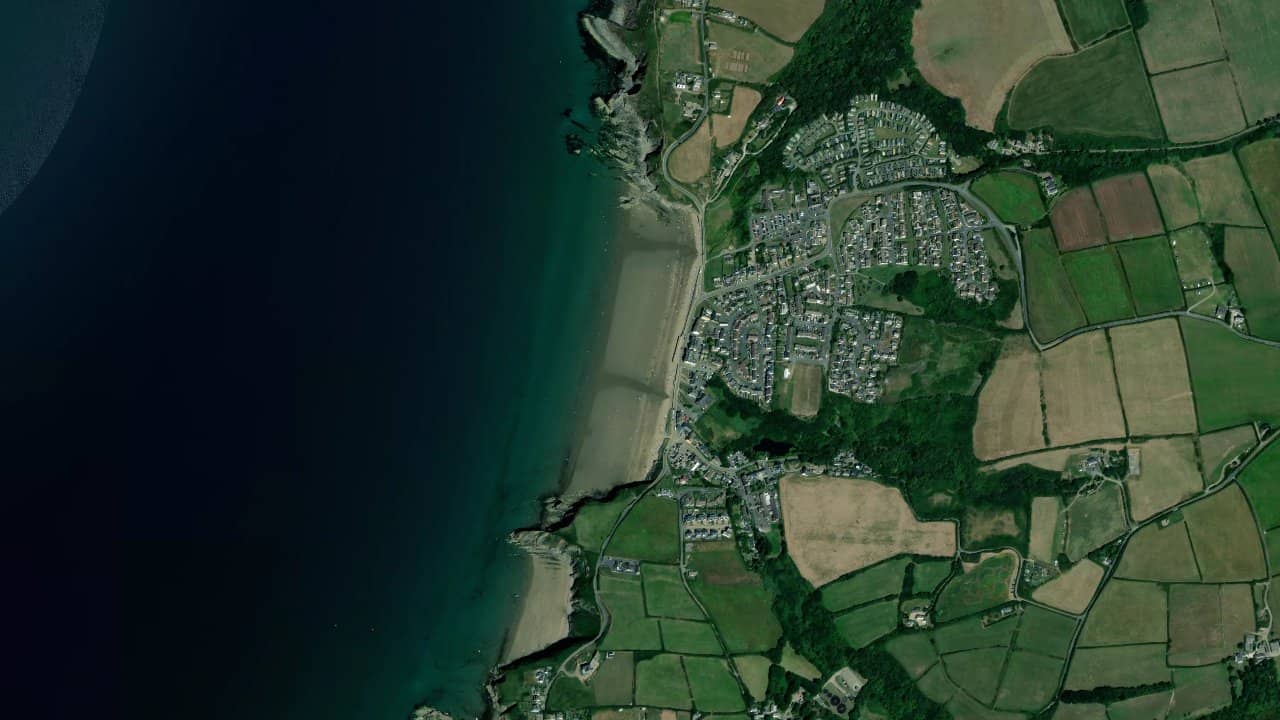
Broad Haven Beach, in Broad Haven, Pembrokeshire, is a large sandy beach open to the Atlantic. It is a spot well-known by local riders for its easy access, wide beach, and rapidly changing conditions with the tide and wind.
The spot is particularly attractive when the wind is well-established from W to NW, with cleaner seas on favorable days and a more challenging water surface when the wind picks up. It is a versatile location, suitable for riders of beginner to intermediate levels depending on the day's conditions.
The wind data shown here comes from ERA5 (via Open-Meteo) over 4 years, reprocessed to reflect realistic conditions.
👉 Average wind has been calibrated to avoid the usual underestimation of models.
👉 Gusts have been corrected by a median ratio to avoid unrealistic extreme values.
👉 Each day is summarized by the median wind (P50) observed during useful hours (8am–8pm), then classified into wind ranges.
👉 The weighted mode mixes average wind and gusts to best reflect felt wind.
Broad Haven Beach is a fairly exposed beach spot, with an overall orientation that works best with side-shore to side-on winds from W, WNW, and NW. The navigation area is located in front of the large beach, with easy access from the sand and a comfortable launch area when the beach is clear of swimmers and walkers. The beach is wide, which helps with rigging and launching the kite, but the useful space heavily depends on the state of the tide.
The water surface is often cleaner at mid or high tide, with behavior ranging from flat to chop, then to small waves as the wind and swell rise. The spot is especially interesting for freeriding and for clean navigation on firm sand, with a calmer feeling when the sea is low and the water spreads out on the beach. In strong winds, the surface quickly becomes more choppy and physical.
The spot remains accessible at various levels, but it is important to keep in mind that conditions can become technical with sustained west winds, especially when the sea is choppy and the beach fills up. The best use of the spot is to navigate in the central area of the bay, keeping a margin downwind and monitoring the rising water level at high tide.
The best sessions occur with a wind from W, WNW, or NW, ideally steady and not too gusty. The spot works well when the flow is clean enough to maintain smooth navigation without excessive chop, with a tide that still leaves a good width of beach for launching and landing.
With wind around 20 to 30 knots, Broad Haven becomes really interesting for freeriding, especially if the swell remains moderate and the sea does not close too much. The most comfortable conditions are often those where the wind comes in well without being too side-off and where the navigation area remains readable.
Sea conditions vary between flat, chop, and small waves depending on the wind and tide. When the west wind is clean and the swell remains moderate, the bay can offer a nice water surface for freeriding. When the wind picks up, the chop quickly takes over, and navigation becomes more physical.
As the beach is open, the water surface can be more choppy than in a closed bay. On windy days, one can find a short and irregular sea, with small smoother areas at times, but the spot is not a purely flat destination like a lagoon.
Currents are generally moderate in the bay, but they can strengthen with the tides and residual swell. The most important point is the rapid rise and fall of the water on a wide beach, which quickly alters the useful distances for launching and returning to shore.
At low tide, navigation can become more technical near the shore if the water recedes significantly. At high tide, it is important to monitor the water level to maintain a comfortable return area and avoid getting too close to the rocky edge depending on the water surface orientation.
With the given wind at 24 knots, the most logical sizes generally range between 7 m2 and 9 m2 for most riders. A lighter rider may sometimes go for a 10 m2, while a heavier or more cautious rider would aim for 8 m2 or 9 m2.
On weaker days, one can go up to 10 m2 to 11 m2, but the spot is most interesting when the wind comes in strongly and the beach still offers enough space to prepare the gear safely.
The most interesting wind regime is clearly from the W to NW, with winds that come well into the bay and remain usable for kitesurfing. Local sources and spot guides mainly mention W, WNW, and NW, with good compatibility for freeriding and regular navigation when the flow is established.
In this sector, the wind is often quite consistent, but it can become more physical with gusts, especially during disturbed periods. A strength around 24 knots corresponds to a very usable range for a spot of this size, with a medium to small kite depending on the rider's size and level.
The climate of Pembrokeshire is oceanic, with cool temperatures for much of the year and changing conditions. In winter, the air is often cold and humid, and a thick wetsuit is generally necessary. The cold period extends largely from October to May, with distinctly wintry sensations on the beach.
In summer, temperatures become milder, but the spot remains exposed to the wind and sea air. Sessions are possible year-round, but the best windows often combine clean wind, usable tide, and sufficient temperature for comfortable riding.
The depth is gradual and the bottom is mainly sandy. One can stand for a long time on a wide part of the beach, which facilitates launching and starting, although the level can vary significantly with the tide.
The spot works well when staying in the central sandy area, away from more exposed or limited sectors due to water retreat. The gentle slope helps beginners, but it is still necessary to keep a close eye on the tide to avoid losing the useful area too quickly.
The water remains cool for much of the year in Pembrokeshire. In winter and early spring, one should expect cold water and serious protection, often with a thick wetsuit, boots, and sometimes gloves depending on the rider's sensitivity.
In summer, the water becomes more bearable, but it rarely gets warm in the Mediterranean sense. Comfortable sessions often still require light to medium neoprene protection, especially if one is riding for a long time or at the end of the day.