Plage Rive Gauche
France · Occitanie
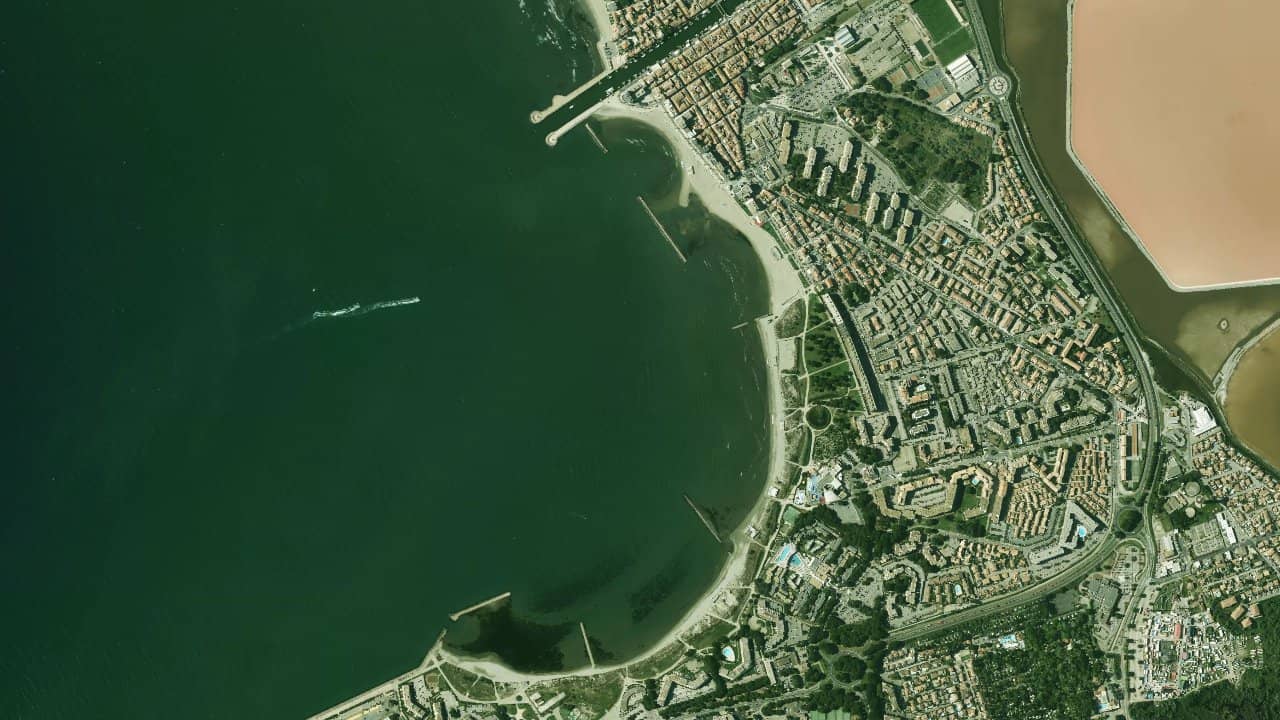
The Rive Gauche beach in Grau-du-Roi stretches from the Rhône canal to Sète up to the Seaquarium, at the limit of Port-Camargue. It is a fine sandy beach with three coves protected by dikes that break the waves in case of wind. The environment becomes wilder to the east, with dunes, pines, and a peaceful atmosphere favored by riders.
Close to the city center, it offers easy access and a dedicated area for kitesurfing, allowed outside the summer season. Locals appreciate it for its wide space to the north and its versatile water, perfect for freeride or jumps when the wind picks up.
The spot is part of a coastline recognized worldwide for its consistent conditions year-round, with nearby schools to progress safely.
متوسطات تاريخية شهرية — ليست توقعات مباشرة.
The beach faces the Mediterranean, with ideal exposure to west and northwest winds coming in side-on or side-shore perfect for freeride and big jumps. The launch is done directly from the wide sand, especially to the north where the space is generous to take off the kite without risking swimmers. The navigation area extends into the bay, with a flat to chop water surface in light wind, which turns into swell or small waves with sustained tramontane.
The dikes of the three coves protect from onshore wind and calm the water for beginners, but one must remain vigilant to keep distances. To the south, the beach narrows, so prefer the north for ground maneuvers. Tides have little impact here, but check the schedules to avoid monitored swimming areas in summer. It is a fallback spot when Port-Camargue is crowded, with generally weak current but to be monitored near the channels.
المصادر :spots.universkite.fr · toploc.com · plages.tv · letsgrau.com


 افتح توقعات Windguru